03 Kasım 2026
parçalı bulutlu


Britain and France co-lead a multinational rehearsal to ready forces and enhance interoperability for supporting Ukraine’s defense preparedness.
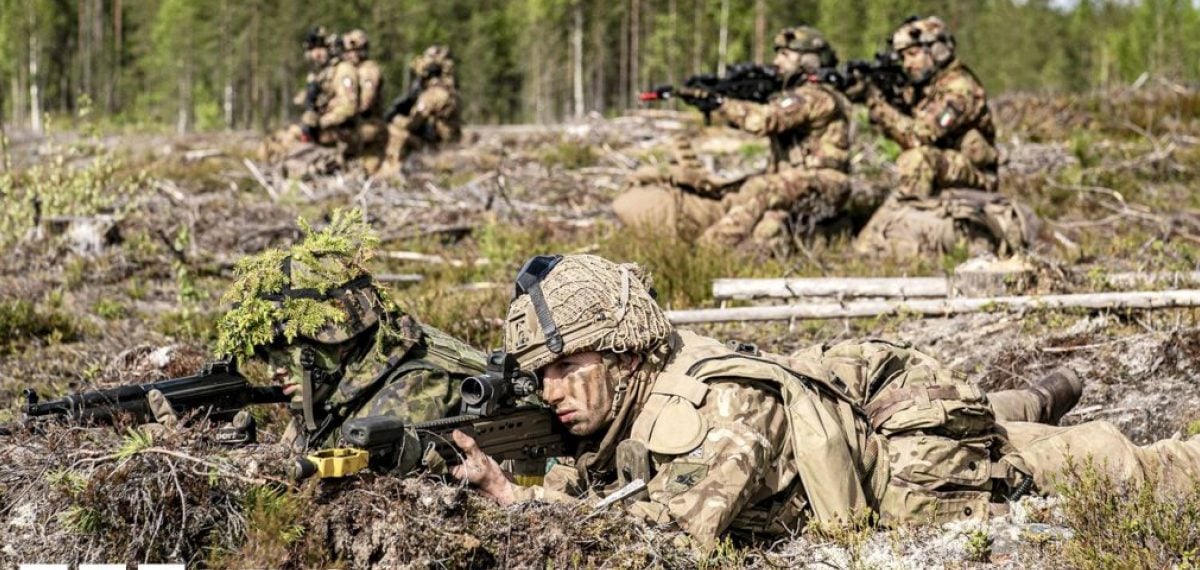
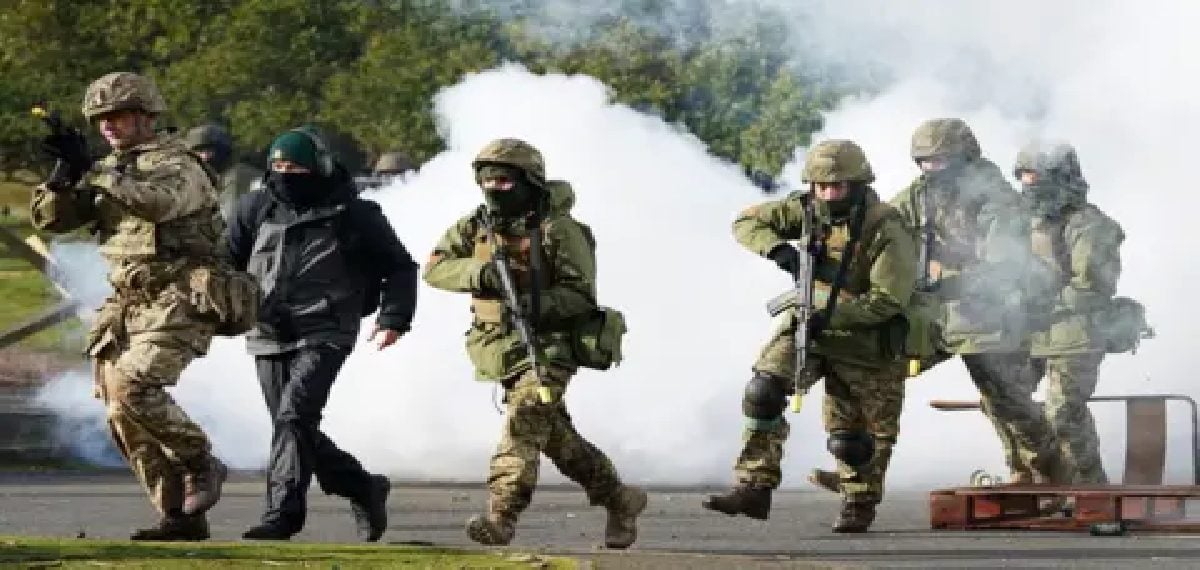
Britain and France are leading a military exercise in Poland from 9 to 22 November to rehearse how a multinational reassurance force could deploy to Ukraine if a peace deal is reached. Nearly 3,000 military personnel from 12 European nations will take part in scenarios that test movement, protection, supply and command and control across land, sea and air.
The exercise, named Exercise Koalicja, aims to translate political commitments into credible military readiness without involving offensive operations, peacekeeping or frontline duties. Western officials emphasize that any force sent to Ukraine would not operate under NATO command and would focus on providing reassurance to Ukraine and assisting in rebuilding its armed forces.
The UK contribution to the rehearsal includes 300 troops and a pair of RAF Typhoons. Fighter jets will simulate procedures to reassure commercial aircraft once Ukrainian airspace can be reopened. Turkey has agreed to lead the maritime component, with the goal of clearing mines and enabling resumption of trade in the Black Sea.
Participants named for the exercise include the United Kingdom, France, Belgium, Estonia, Germany, Lithuania, the Netherlands, Poland, Spain, Sweden and Turkey, with a total of some 2,800 personnel involved. The United States has been involved in discussions but is not contributing forces to the mission.
Western officials declined to detail the final make-up or rules of engagement for any international troops in Ukraine, while stating the deployed force would be able to defend itself. Russian officials have opposed foreign troops on Ukrainian soil, and President Vladimir Putin previously said such forces would be legitimate targets.
The exercise demonstrates coalition partners are preparing practical measures to offer long-term security guarantees to Ukraine without crossing into offensive or NATO-commanded operations. By rehearsing logistics, command and protection across multiple domains the participating nations are seeking to ensure interoperability and rapid deployability in a post-hostility scenario. The involvement of a wide range of European militaries and the explicit exclusion of frontline and peacekeeping roles underline a political compromise aimed at offering reassurance while managing escalation risks.