03 Kasım 2026
parçalı bulutlu


Technical analysis: Air Alert app hack in Kyiv caused false radiation and chemical alarms, exposing cybersecurity and public safety vulnerabilities.
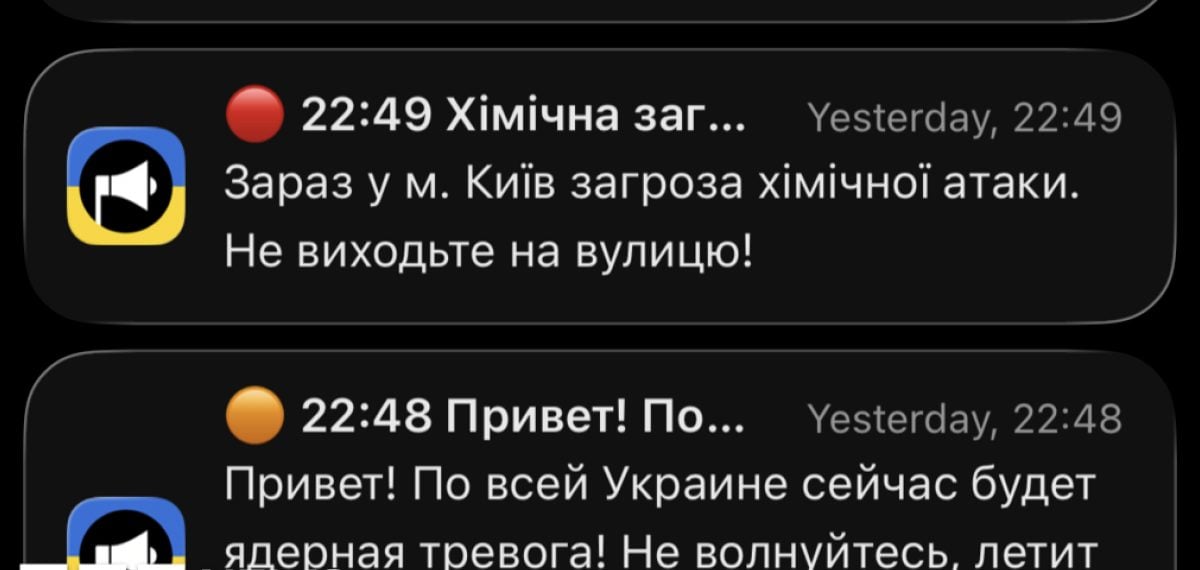
An apparent cyberattack on Ukraine’s Air Alert mobile application late on Sunday sent users in Kyiv a series of false warnings declaring radiation, chemical and street fighting threats, the Ukrainian Air Force and the Ukrainian Central Intelligence Agency reported.
The Air Force posted on Telegram that the Air Alarm application had likely been subjected to hostile interference and clarified that there was no radiation threat, urging calm and updates from their channel.
According to messages logged from approximately 22:47 to 22:49, the alerts included an initial notification reading “Radiation threat. Radiation threat declared in Kyiv,” followed by a Russian-language alert referencing a nuclear alert and a subsequent Ukrainian warning announcing a chemical threat and advising people not to go outside.
A later alert indicated a street fighting threat in Kyiv and also advised people to stay indoors. After these warnings, users received a series of all clear messages corresponding to each previous alert.
The Ukrainian Central Intelligence Agency confirmed an application failure and recommended that the public consult other sources for clarification about air strike threats. It also reported that the Radiation Hazard signal had been played on loudspeaker devices in the Lviv region due to the Air Alert application, while reiterating there was no radiation hazard.
Vinnytsia oblast Governor Natalya Zabolotna described the incident as a cyberattack on the Air Alert app and cautioned people on Telegram not to click on links contained in messages.
The Air Alert app, supported by the Ministry of Digital Transformation of Ukraine, is designed to inform users instantly about the start and end of defense alerts. Authorities advised citizens to enable smartphone notifications, heed sirens and consult official sources for verified information.
The false alerts illustrate vulnerabilities in widely used civil defense communication tools and the potential for cyber incidents to create panic through rapid dissemination of erroneous warnings. Official confirmations and all clear messages helped to limit immediate public alarm, while regional loudspeaker activations show how app failures can trigger parallel alerting systems. The incident prompted authorities to urge reliance on multiple verified channels and reinforced the importance of maintaining secure and resilient alert infrastructures.