03 Kasım 2026
parçalı bulutlu


Garment workers across Bangladesh strike for higher pay, forcing widespread factory shutdowns and disrupting global apparel production.
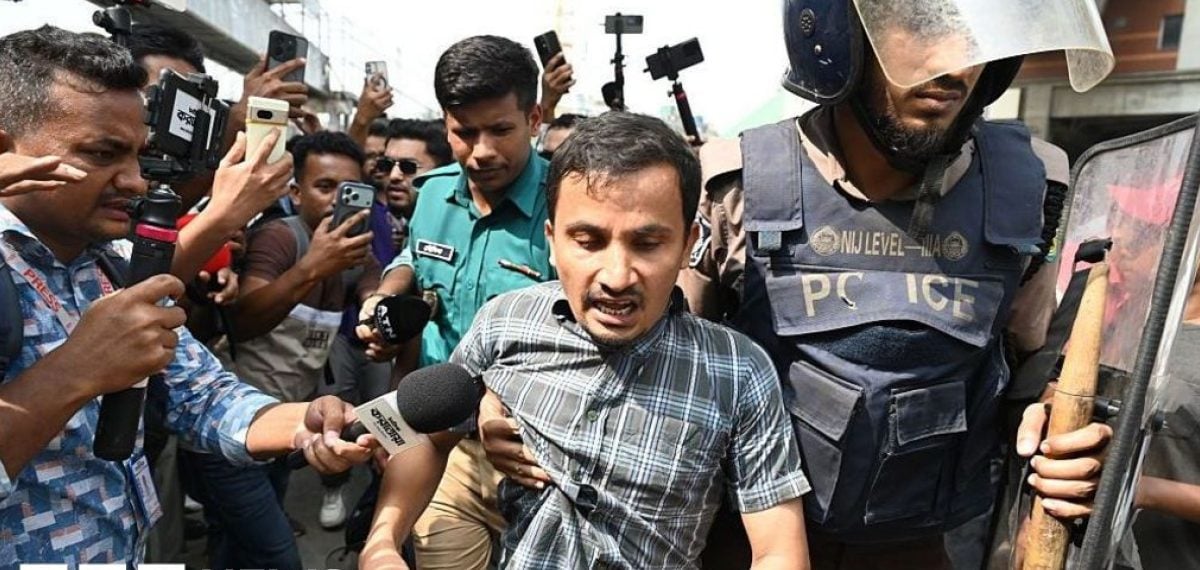
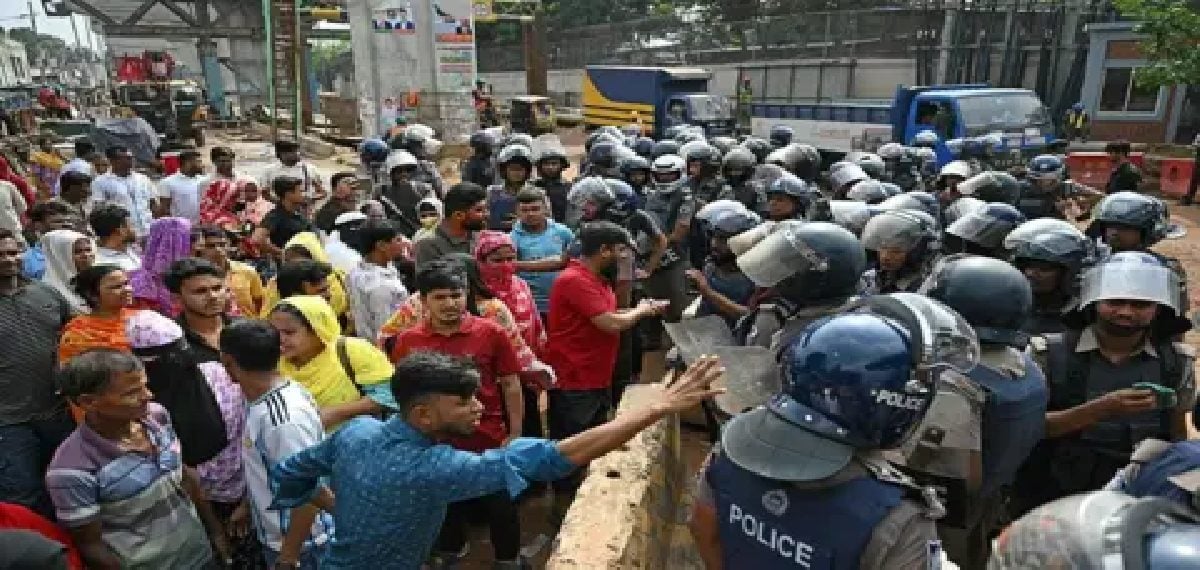
Thousands of garment workers across Bangladesh staged protests demanding significantly higher wages, prompting the temporary closure of hundreds of factories. Demonstrations that began in Dhaka spread to major industrial zones, leading to road blockades, attacks on property and clashes with law enforcement.
The unrest has raised immediate concerns about production disruption for global apparel buyers and the livelihoods of millions employed in the sector.
Protesters are calling for a minimum monthly wage of 30,000 taka (about $242), more than double the current legal minimum. Workers point to soaring living costs — including food, cooking gas and electricity — as the primary reason for the demand. Many employees currently earn roughly 13,000 taka ($105) per month and say that income no longer covers basic expenses.
In the capital, demonstrators blocked major routes and targeted factories; some set vehicles on fire and vandalised properties. Police used tear gas to disperse crowds and reported multiple arrests. Authorities stated that dozens were detained for creating an “unstable environment” within industrial areas.
Bangladesh’s garment sector employs about four million people and generates nearly $40 billion annually, making it a crucial engine of the national economy and the world’s second-largest garment exporter. Around 670 factories suspended operations following the unrest, and many more remained closed as tensions continued in manufacturing hubs such as Ashulia, Gazipur and Narayanganj.
The government announced formation of a board to review wages and held emergency meetings with senior ministers to tackle the situation. A workers’ representative on the wage board publicly urged employees to return to work while reiterating the commitment to pursue fair pay. Meanwhile, officials accused political groups of exploiting the protests to foment unrest, and cabinet members warned of punitive action against those who incite violence.
One garment worker told reporters that the government must either reduce the prices of essential goods or raise wages to restore stability. Another worker highlighted rising rents and appealed for measures preventing landlords from increasing housing costs amid the crisis.
Observers are monitoring whether wage negotiations, government interventions or buyer responses will calm the situation or whether prolonged disruption will further affect production schedules and international supply chains. The outcome of the wage review board and any changes to employer or policy practices will be key determinants of whether factories reopen and protests subside.