04 Kasım 2026
parçalı bulutlu


Midterm results reshape crypto oversight and rulemaking priorities, signaling regulatory shifts and renewed focus on market stability and compliance.
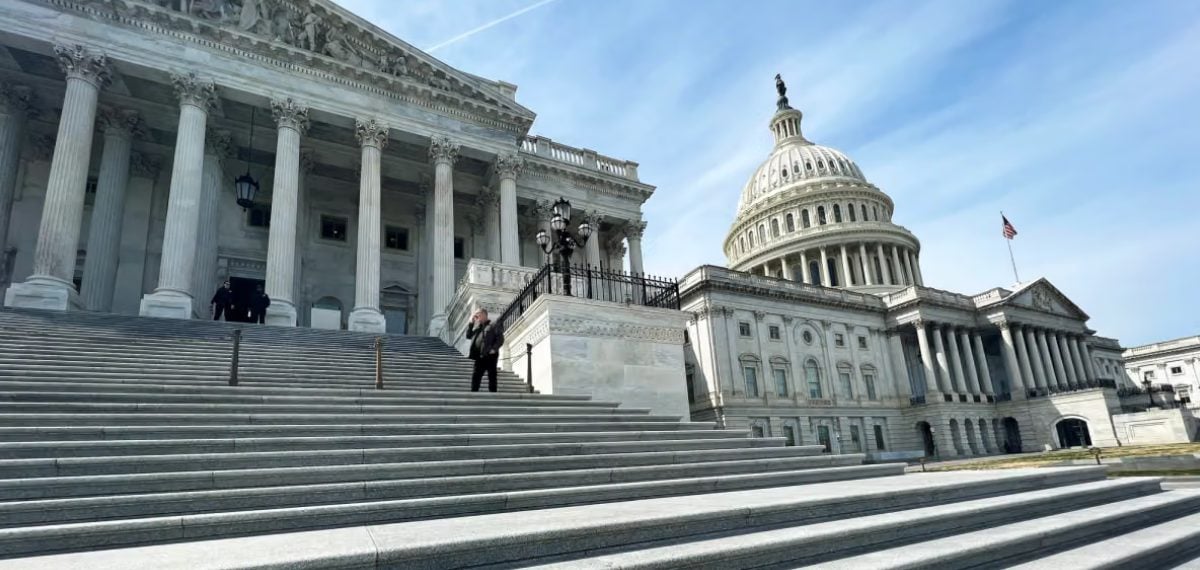
U.S. midterm elections on Tuesday, Nov. 3 are likely to shape Congress’s approach to cryptocurrency oversight and rulemaking over the next two years, with potential implications for regulation, taxation and market structure.
The most likely outcome as of Friday afternoon appears to be a flip of the House of Representatives, while control of the Senate remains uncertain and could be decided days after election night as states continue counting ballots. Cook Political Report projects a likely Democratic House, and polling and prediction markets largely align with a favorable night for Democrats, though the Senate is widely regarded as a tossup.
Crypto industry engagement in the 2026 cycle has been substantial, exceeding $170 million in spending primarily through the Fairshake political action committee and affiliates, including more than $60 million aimed at blocking former Senator Sherrod Brown’s return to the Senate. Firms have distributed funding across multiple races as they prepare for a range of congressional outcomes in 2027.
Industry figures expect increased congressional oversight even if major new crypto legislation is not enacted immediately. Ron Hammond, head of policy and advocacy at Wintermute, said oversight is likely to intensify, with House committees examining company donations linked to projects tied to the White House East Wing ballroom, President Donald Trump’s memecoin and World Liberty Financial.
On rulemaking, agencies such as the Securities and Exchange Commission, Commodity Futures Trading Commission, Treasury Department and the Federal Reserve face a limited window to finalize regulations before potential legal challenges and congressional actions could affect implementation. Any rules issued close to the next presidential election risk reversal under the Congressional Review Act if the subsequent administration and Congress are less industry friendly.
Policy priorities within the industry include efforts to secure durable regulatory language and address tax treatment for small payments. Taylor Barr, director of policy at Chainlink, emphasized the importance of rules that are “written in pen and not pencil,” while Kevin Wysocki, head of policy at Anchorage Digital, noted bipartisan interest but cautioned that future market structure legislation could impose tougher constraints on DeFi and vertical integration.
Jessica Martinez, head of policy at Fireblocks, observed that lawmakers may prioritize affordability issues over crypto specifics, and that the expanding roster of ecosystem participants changes the political dynamics around comprehensive industry-targeted action.
Voter attention to crypto remains minimal; a May survey of 1,000 registered U.S. voters found only 1% identified crypto as a top issue. Recent campaign references to crypto have largely framed the topic within broader discussions of alleged corruption, rather than as a positive policy focus.
The midterm results will primarily determine the intensity of congressional oversight and the timing of regulatory finalizations impacting the crypto sector. A Democratic House could increase investigations into industry ties and donor activity while the contested Senate outcome will influence the legislative path for substantive bills. Agencies retain a narrow period to issue enforceable rules before legal challenges and political reversal become imminent, elevating the strategic importance of rule finalization timing for industry stakeholders.