02 Kasım 2026
parçalı bulutlu


Youth-led Berlin rally condemns education cuts and rearmament, demanding investment in schools, social services and peaceful policy alternatives.
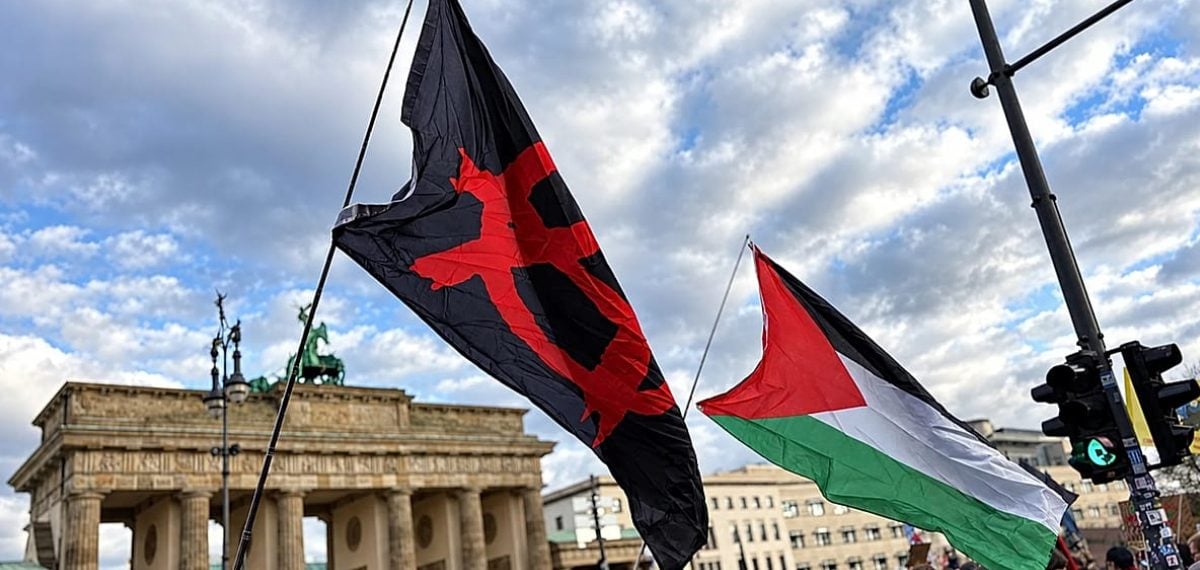
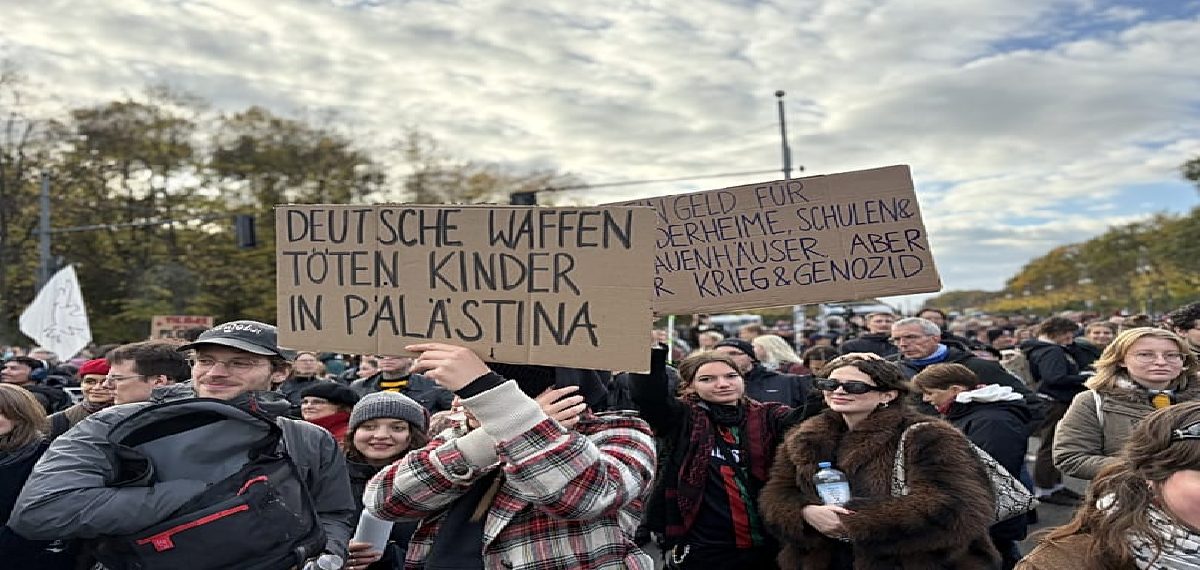
A youth-organised protest under the banner “Gen Z regelt” took place at the Brandenburg Gate in Berlin on Saturday, with demonstrators calling for increased investment in education and climate protection, affordable living costs and an end to rearmament. The rally began at 2 p.m. and organisers emphasised a peaceful approach, while some shops on Unter den Linden, Friedrichstraße and Kurfürstendamm installed barricades as a precaution against possible looting.
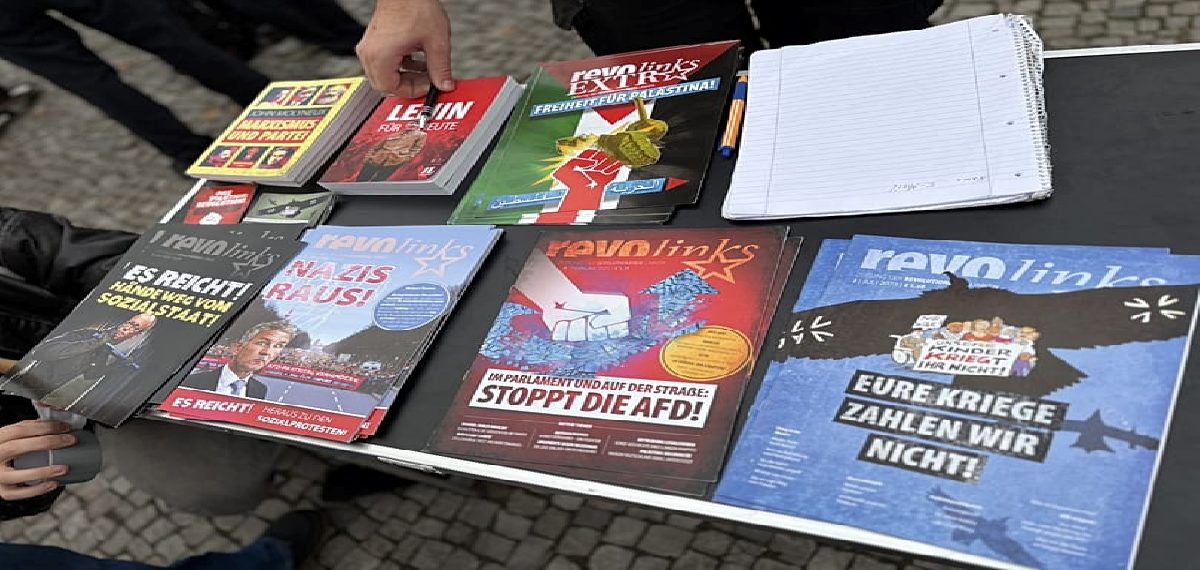
Pro-Palestine flags and slogans were prominent across the square, with a man wearing the colours of the Palestinian flag distributing flyers at the Brandenburg Gate entrance and representatives of the daily newspaper Junge Welt offering brochures. At Platz des 18. März Palestinian flags were displayed alongside anarchist and Antifa banners, and many attendees wore the kufiya scarf in red or black.
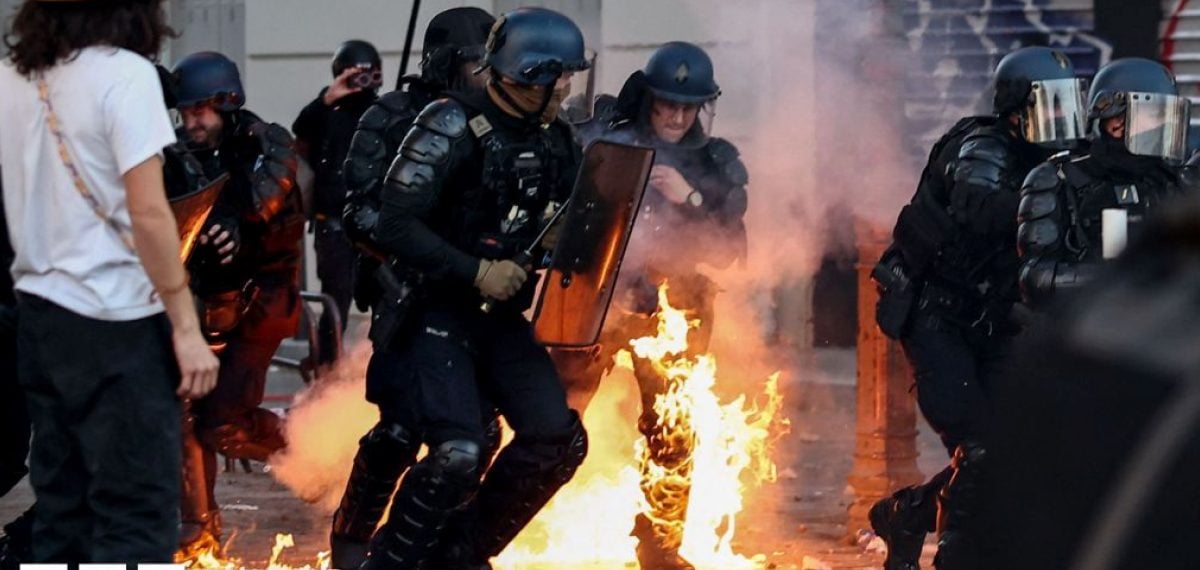
Signs at the rally addressed military spending and social priorities, featuring messages such as “Flunked the PISA test but passed the military medical”, “Money for social causes instead of war” and statements alleging German weapons kill children in Palestine. A group of women aged 19 to 20 doing a voluntary social year said they joined to show solidarity with protests in France and to express that young people feel overlooked by politicians amid growing militarisation and cuts to education.
A Freie Universität chemistry student present linked university cooperation projects with Israel and rising university cuts and rents to broader concerns about militarisation, saying he did not want universities to support war-related research and that he opposed FU supporting a genocide. Other left-wing groups attended in smaller numbers, including Linksjugend [‘solid] and the Revolutionäre Linke, both of which have faced criticism over positions on Israel and the Middle East and voiced opposition to increased Bundeswehr spending at the expense of social services.
Security authorities offered conflicting assessments ahead of the protest. The Berlin police press office stated there was no reliable evidence of targeted extremist control, while reports surfaced of violent threats in a private Telegram group including a user mentioning a machete and others threatening attacks. The Berlin Senate Department for the Interior and Sport warned that left-wing extremist and foreign-related extremist actors were mobilising and might seek to reinterpret legitimate protest as a struggle against the rule of law, with some actors reportedly interested in escalation.
In the days before the event several organisers and supporters distanced themselves from Gen Z regelt, citing differing views and doubts over peaceful conduct, and critics highlighted unclear responsibilities and funding transparency. Despite an apparent temporary disintegration of the Berlin organising team, new members joined and the initiative reiterated its commitment to peaceful nationwide school student protests.
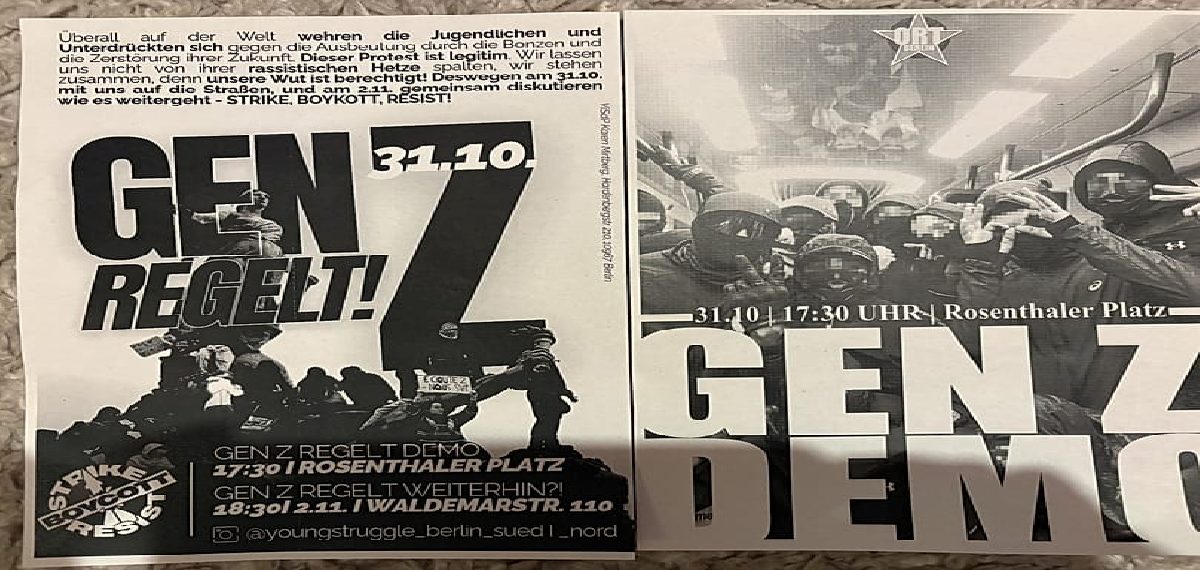
Alongside the Brandenburg Gate rally, police were also monitoring a separate demonstration planned for Rosenthaler Platz under the slogan “Gen Z has had enough!” scheduled to start at 5.30 p.m. The Rosenthaler Platz event was expected to draw several hundred participants and was promoted in left-wing and pro-Palestine circles, with the Gen Z regelt initiative distancing itself from that evening gathering. Up to 5 p.m. the protests at the Brandenburg Gate remained peaceful.
The Berlin demonstration illustrates a convergence of youth grievances about education funding, rising living costs and opposition to rearmament with international solidarity actions, notably visible through pro-Palestine symbolism and slogans. The participation of organised left-wing groups and reports of threatening messages highlight the challenge authorities face in distinguishing legitimate civic protest from attempts at radical mobilisation. Internal fractures within the Gen Z regelt organising team underscore organisational strains common to rapid grassroots movements, while organisers’ repeated insistence on peaceful intentions suggests both a desire to maintain public legitimacy and a recognition of the reputational risks posed by extremist influences.