03 Kasım 2026
parçalı bulutlu


Midterms spotlight Trump’s sway and rising voter concern over costs, posing fresh challenges for Republicans ahead of crucial congressional contests.

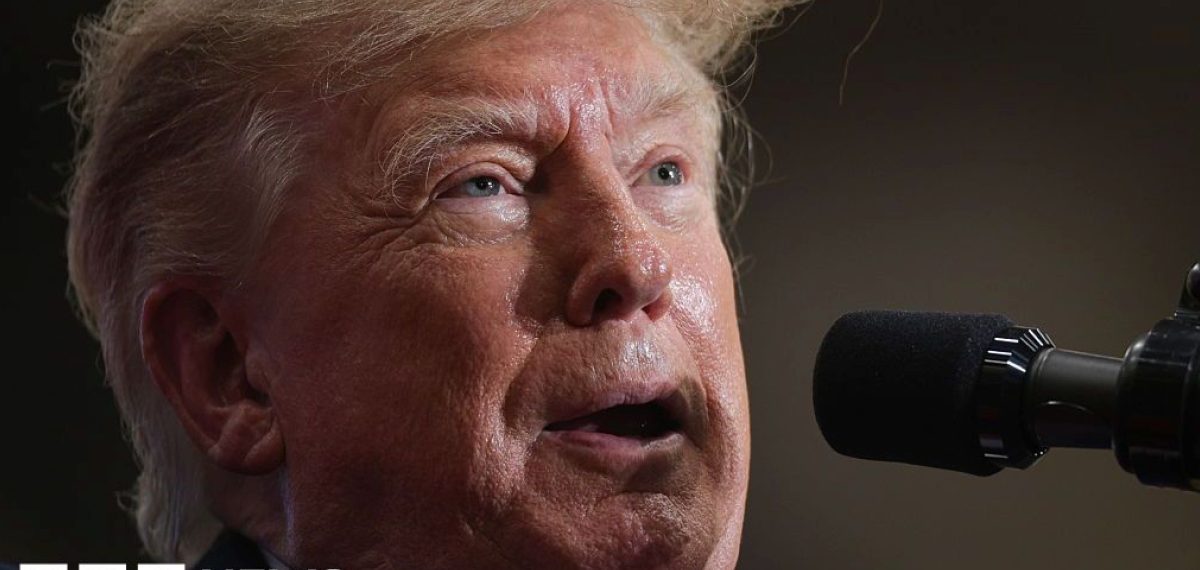
With two years left in his presidency, Donald Trump is campaigning intensively as midterm elections approach across the United States, and the outcome could reshape control of Congress.
Voters cited the rising cost of living as their primary concern, with food and fuel prices driven higher in part by the administration’s tariffs and the ongoing war with Iran. Those economic pressures have prompted Republicans to concentrate resources and advertising in previously secure seats, including the Senate contest in Kansas.
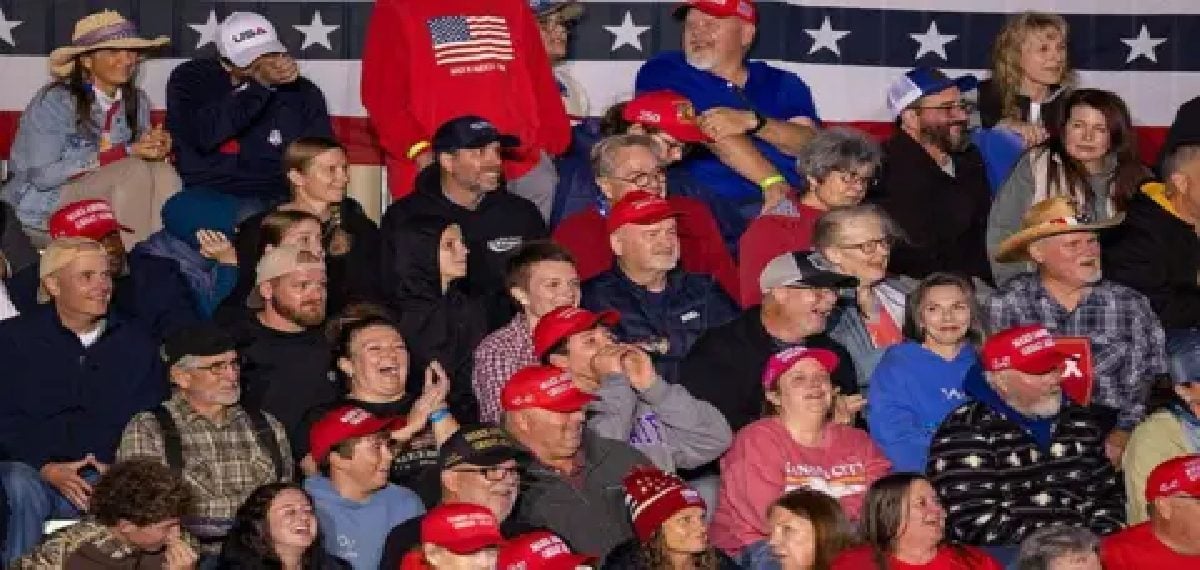
Trump has headlined dozens of rallies and urged supporters to vote as if he were on the ballot, while his approval ratings have fallen in recent months. Fuel costs have been highlighted repeatedly by voters, who report paying substantially more for gas since the conflict with Iran intensified.
Inflation rose from 3% when Trump took office to 3.7% in recent measures, and some observers connect tariff policy to higher consumer prices. Republican strategists worry that this economic environment makes traditionally reliable Republican states, such as Texas, Ohio and Kansas, more competitive for Democrats than in prior cycles.
Voter interviews in Iowa reflected ambivalence about the president’s impact on down-ballot races, with some Republicans expressing frustration about the cost pressures and the war, while still indicating a reluctance to support Democratic candidates on cultural and value grounds.
The Democratic Party views the midterms as an opportunity to expand influence and test competitiveness in states long held by Republicans. Democrats will also be watching whether rising figures such as Jon Ossoff and James Talarico meet expectations in key contests.
If Democrats win the House, they could seek to impede the administration’s agenda and pursue investigations of executive officials, including potential inquiries related to the war with Iran. Winning the Senate would be more difficult, requiring a net gain of four seats and hinging on close races in states such as Michigan, Texas, Ohio, Iowa, Maine, Alaska and North Carolina.
Polls before the elections indicated low approval for the president but also lukewarm views of the Democratic Party, suggesting voter dissatisfaction does not automatically translate into broad partisan shifts. Historical midterm trends and polling uncertainty add caution to predictions about sweeping results.
The midterm contests serve as a referendum on the current administration’s economic and foreign policy choices, particularly tariffs and the undeclared war with Iran, which voters identify as factors raising living costs. Republican vulnerability in traditional strongholds reflects the tangible impact of these pressures on everyday expenses, while Democratic prospects depend on converting voter frustration into electoral gains without significantly expanding positive perception of their party. Control of the House would allow Democrats to investigate the administration and limit legislative advances, but Senate control remains a steeper challenge given the number and location of seats in play. Ultimately, the elections will clarify whether economic grievances translate into durable political shifts or remain contained within existing partisan loyalties.