01 Kasım 2026
parçalı bulutlu


Deadly Spanish high-speed rail collision fuels political turmoil and intensifies scrutiny of safety, accountability and election stakes.
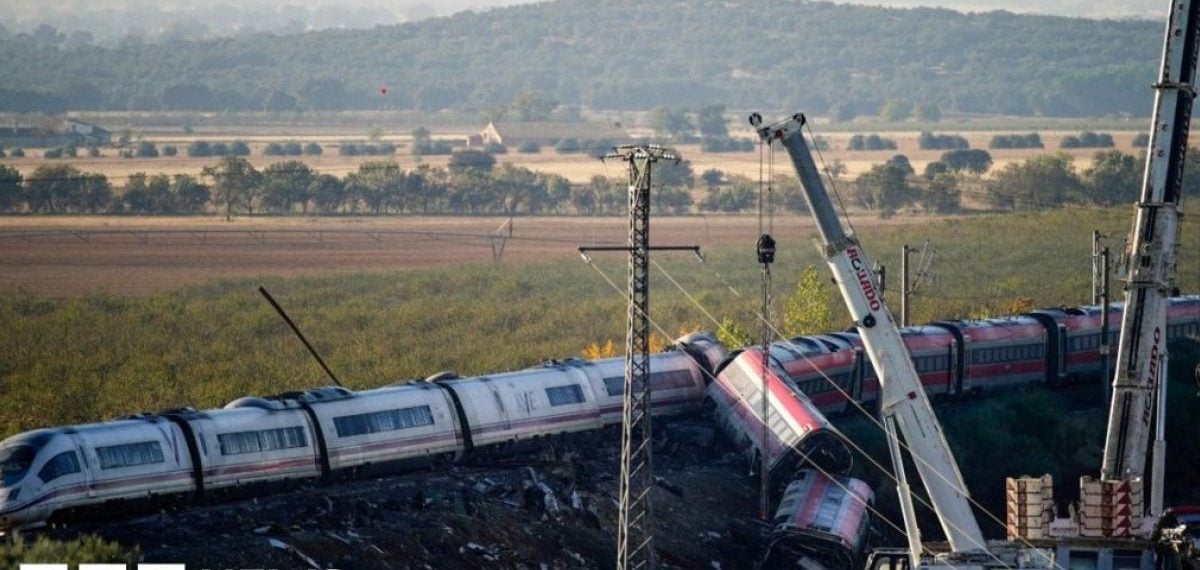
A collision on Spain’s high-speed rail line south from Madrid resulted in dozens of deaths and wreckage strewn along the tracks and down an embankment, compounding national grief and undermining public confidence in the rail network and the Socialist-led government of Pedro Sánchez.
Transport Minister Oscar Puente addressed the media in the hours after the crash, suggesting human error played a critical role and outlining what he described as the objective facts of the incident. Puente rejected claims of chronic underinvestment and defended the LZB signalling safety system, noting that Germany and Austria use the same system.
Puente acknowledged that the LZB system had failed 170 times so far this year but called that figure normal and around the EU average, and he emphasized the risks that arise when the system fails and operations shift to manual control. He highlighted a sequence of human errors in which a controller cleared a stalled train to restart at speeds up to 160km/h while a second train remained stalled on the line ahead. Audio calls and control centre screens reportedly made the impending collision evident, yet the advancing train was never ordered to stop.
The opposition People’s Party called for Puente’s resignation as a moral and ethical move, while Puente said it was his duty to remain in office to explain the situation, improve the system and restore passenger confidence.
The crash comes nine months after another high-speed collision near Cordoba that killed 46 people, and the earlier investigation into the Adamuz incident remains open with initial reports suggesting a crack in the rails. Pollster Paco Camas of Ipsos said the repetition of major accidents damages public confidence in both the railways and institutions more broadly and noted that such events typically lead citizens to blame their government.
For Team Sánchez the rail disaster follows a string of crises, including persistent allegations of corruption involving relatives of the prime minister, a sudden migrant influx into Ceuta that drew right-wing criticism over competence and funding, and a widely shared video showing a pensioner forcibly evicted from her home that sparked protests. Sánchez had called a snap general election amid these controversies and had been running a campaign aimed at mobilizing apathetic voters.
Recent polls showed the centre-right People’s Party leading and likely to form a coalition with Vox in most simulations, and analysts said the train crash has worsened the political outlook for the incumbent government by shifting the campaign agenda toward questions of competence and safety. Small protests led by far-right groups have already occurred in Madrid and police mobilization was reported ahead of possible further clashes.
On the ground in Toledo, passengers described a somber atmosphere as they traveled by rail. One commuter, Paloma, said she felt scared of the high-speed network and believed the crash would change voting behavior, while another daily traveler, Lucia, said the incident reflected human error and expressed alarm that two accidents in a short period had resulted in more than 100 deaths.
The collision has immediate human and political consequences, exacerbating public trauma and eroding trust in rail safety and institutional competence. The minister’s framing of the incident around human error and signalling failures seeks to contain blame, yet the recurrence of major accidents increases political risk for the government and fuels opposition narratives about mismanagement. The timing ahead of a snap general election amplifies the potential electoral impact, while public fear and protest activity underscore the broader social fallout from repeated transport tragedies.