02 Kasım 2026
parçalı bulutlu


Paris protests turn violent as an officer is set ablaze in an apparent Molotov attack; authorities launch urgent investigation amid public outrage.
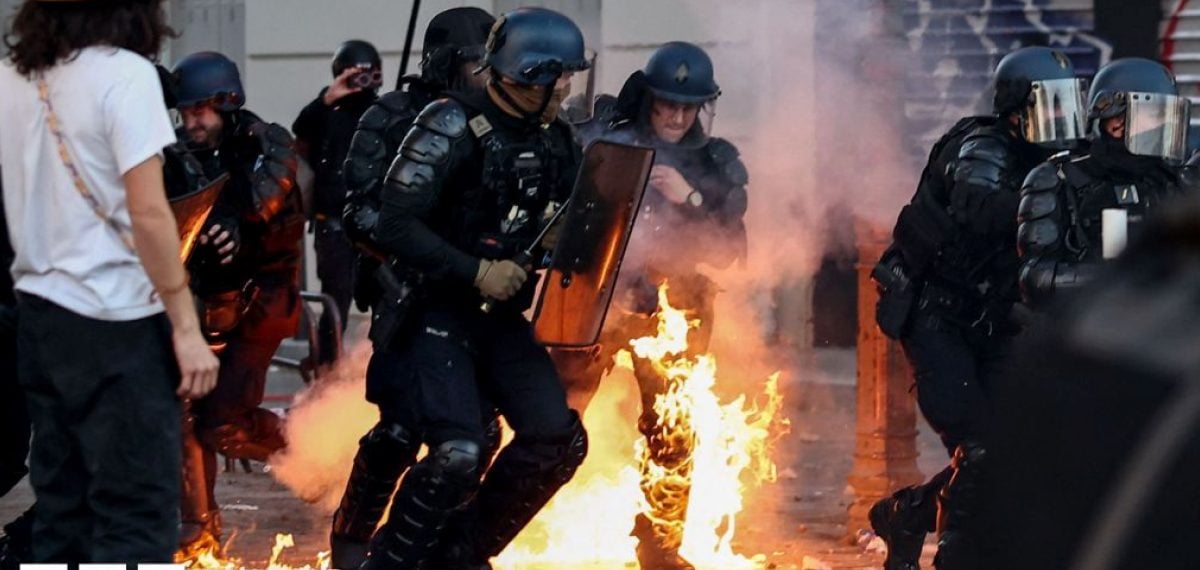
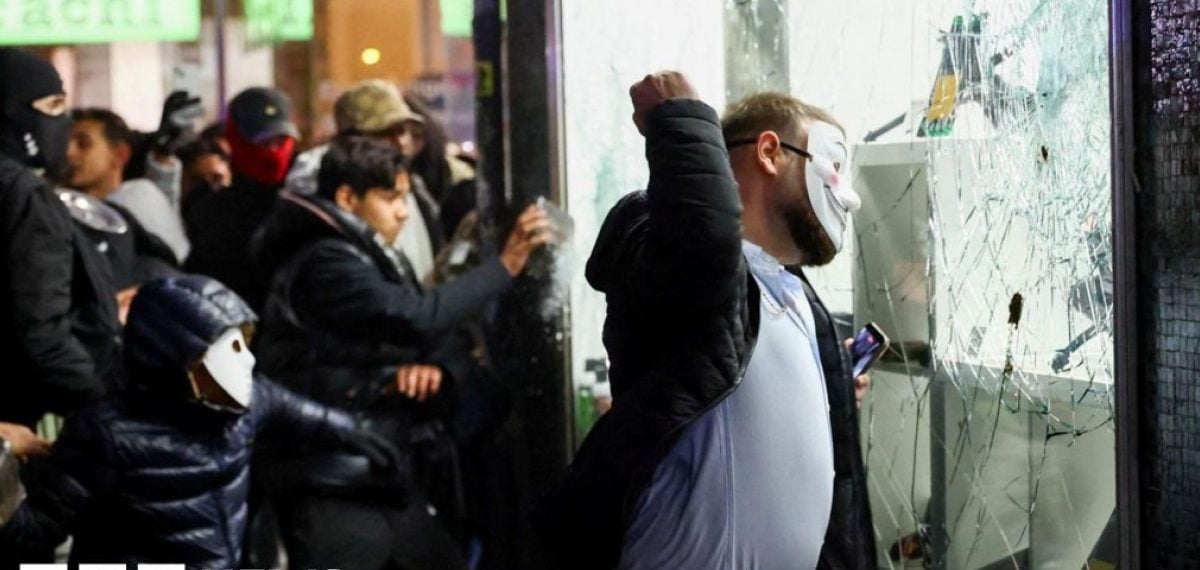
Police in France confronted violent unrest during nationwide protests when a police officer was set on fire after an incendiary device struck him during a clash in Paris. The officer sustained burns to his ankle and minor injuries to his hand while additional officers suffered wounds ranging from minor to serious.
Interior Minister Laurent Nuñez described the act of throwing a Molotov cocktail at a police line as what he called a murder attempt and said officers were working to identify the perpetrators. The injured officer, from the National Gendarmerie, told Le Figaro the device appeared to be a particularly sophisticated incendiary and that his unit had faced several hundred hostile, well equipped adversaries.
The unit had been urgently recalled from leave to police the weekend demonstrations that drew hundreds of thousands of largely peaceful protesters across France. Police fired tear gas in some cities and made more than 770 arrests on Saturday, roughly half the number from the previous week, according to the French interior ministry.
The officer said his unit had not yet identified the liquid used but that the incendiary device had a far greater burning capacity than a standard Molotov cocktail. Fourteen other officers were reported wounded, some struck by paving stones, and AFP reported that no one had been arrested for the attack captured on camera that set the officer on fire.
French protest organisers, the Gilets Jaunes or Yellow Vests, stated that dozens of protesters had been seriously injured during recent demonstrations, including injuries attributed to grenades. France had suspended use of one stun grenade model after a 15-year-old lost a hand, while Le Monde reported that a different model continued to be used in later protests.
Similar youth-led protests took place in Germany and Italy over the weekend, reflecting broader unrest linked to cost-of-living concerns and public services.
The attack that burned a police officer highlights an escalation in tactics used during street clashes, with authorities characterising some assailants as hostile and well equipped rather than ordinary protesters. Large-scale deployments and substantial arrest numbers indicate sustained state efforts to contain unrest amid widespread demonstrations driven by social and economic grievances. Continued reporting on the types of devices used and the identities of attackers will shape public perception of the protests and the proportionality of police responses.