22 Ağustos 2026
açık

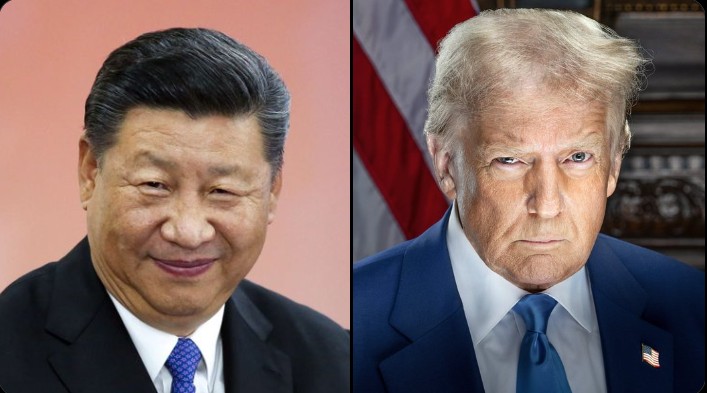
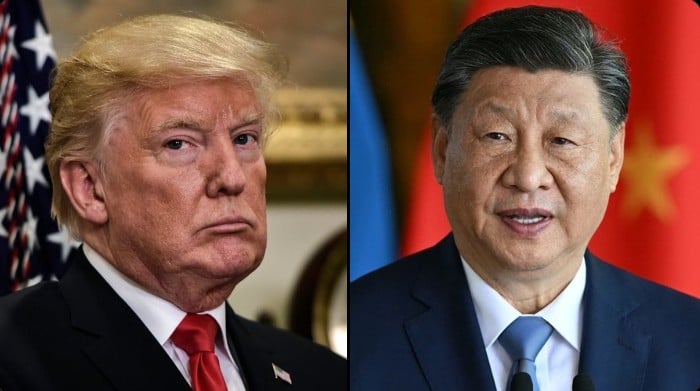
The growing global power rivalry between the United States and China is intensifying across economic, technological, and geopolitical fronts, while Washington’s rising debt burden and trade policies have once again become a subject of debate. Experts are raising questions about whether recent moves are part of a broader, multi-layered strategy that could reshape global power balances.
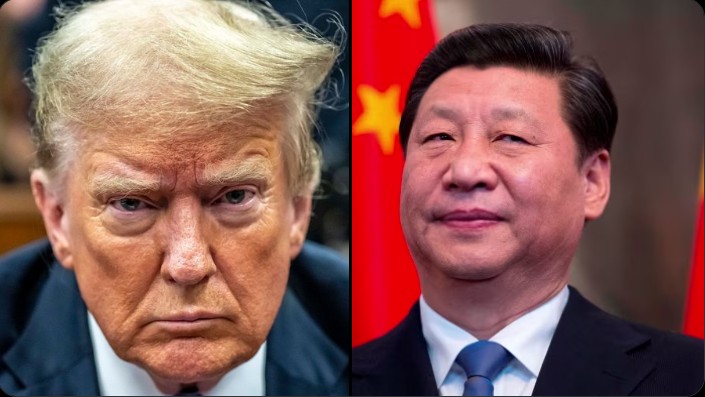
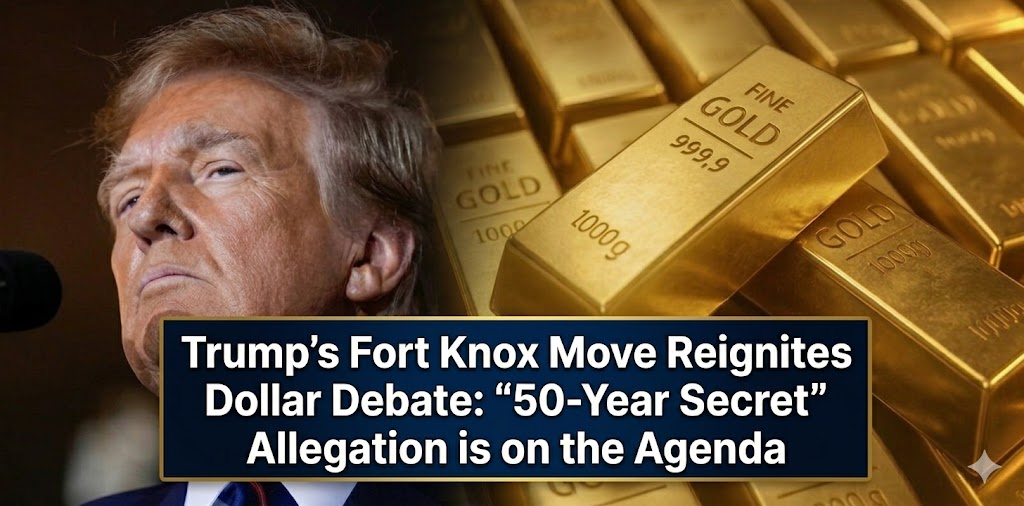
Trump has a 15-year plan. The $39 trillion debt and competition with China are being solved through the same strategy.
Have you noticed something?
Since Trump came to power, there has been constant uncertainty.
These moves look like chaos.
They are not.
There is a single plan behind all of them.
To understand this plan, we need to look at what Trump said before becoming president:
“We were dealing with wars in the Middle East while China quietly became the world’s superpower.”
This was the first sentence of a strategy.
To understand Trump’s plan, we first need to understand China.
Let’s break it down…
The Rise of China
Forty years ago, China was one of the world’s developing countries.
Its industrial infrastructure was limited. It was not part of global supply chains. Its technological capacity was still emerging.
But China had a major advantage.
A large and low-cost labor force.
In the 1980s, China began economic reforms and opened its doors to foreign investment. Western companies saw the opportunity.
Nike came. Adidas came. Walmart came. Then Apple, Tesla, Dell.
A large part of global production shifted to China.
China learned quickly in this process. Then it improved. Then it built its own brands.
Today, China is a global leader in 5G, a leader in electric vehicles, advanced in robotics, and competing with the US in artificial intelligence.
Forty years ago, it was just at the beginning.
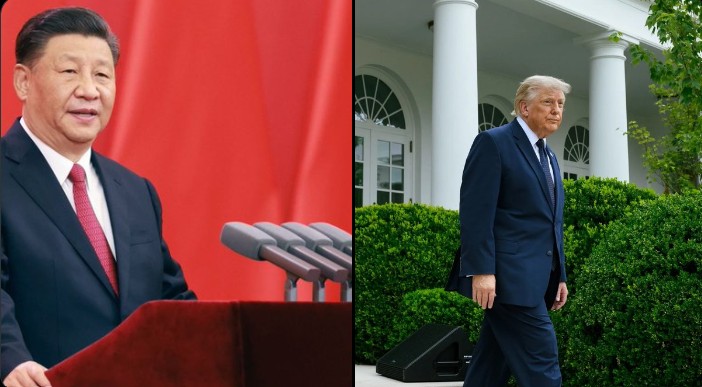
Today, it is America’s only real rival.
For a superpower, the most dangerous moment is when another superpower begins to catch up.
At that moment, you maintain balance.
Otherwise, global leadership changes hands.
Trump knew this.
Part of the plan: balancing China
The other part: solving America’s internal problems.
The Situation in the US
$39 trillion debt.
For every $4 collected in taxes, $1 goes only to interest on old debt.
It is unsustainable.
The US must solve two problems at once: reduce debt and maintain global leadership.
The solution is a three-stage strategy.
First Plan: Weakening the Dollar
All of Trump’s moves aim for one outcome.
Deliberately weakening the dollar.
Why?
A $39 trillion debt is mathematically impossible to repay.
But if the dollar weakens, the real value of the debt shrinks.
Trump openly says: “A weak dollar doesn’t worry me.”
However, a weaker dollar normally brings inflation. Prices rise. People suffer.
That is where the second plan comes in.
Second Plan: Bringing Production Back to America
Trump repeatedly tells business leaders the same thing at every conference:
“Bring production back to America.”
But American labor is 10 times more expensive than Chinese labor. Even if factories are built, competition is difficult.
This is where artificial intelligence comes in.
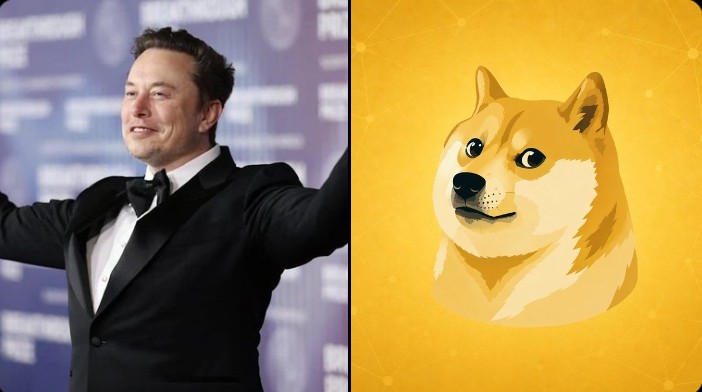
Elon Musk plans to produce 10 billion humanoid robots by 2040.
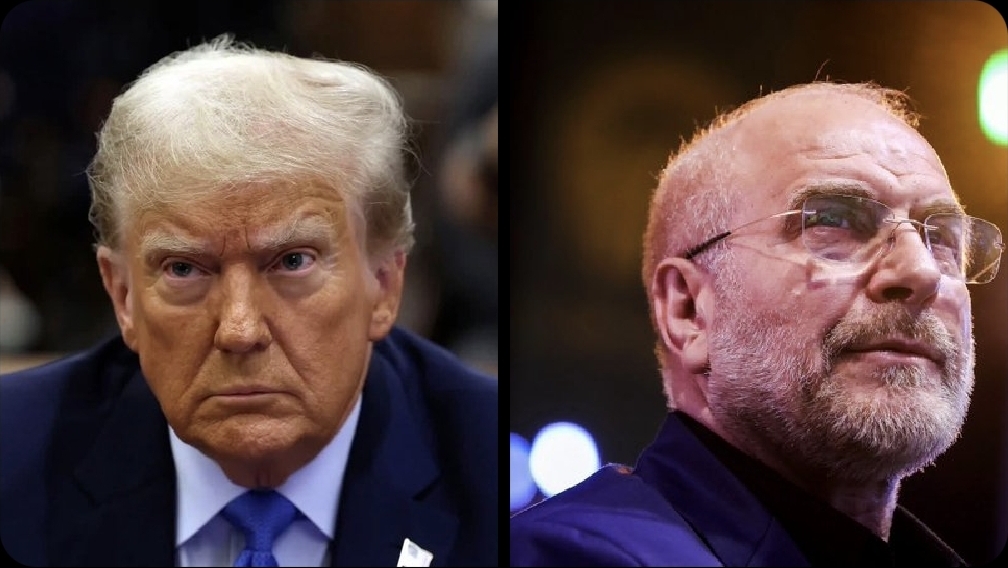
Kevin Warsh says artificial intelligence is a “deflationary force.”
They share one common point:
AI will increase production and create abundance.
The result is simple:
Even if the dollar loses value, prices in the US will not rise significantly because robots produce goods cheaply and in abundance.
The American public will not experience inflation. Production can return to the US.
China’s historical advantage of cheap labor may lose its impact in this equation.
Third Plan: Reshaping Global Balance
Economic strategy on one side. Geopolitical strategy on the other.
Both are running simultaneously.
China is aware of this equation. It is trying to catch up with the US in AI and robotics. It is focusing on Taiwan’s semiconductors. Through global investments, BRICS, and the Belt and Road Initiative, it is building its own strategy.
The next 15 years will be shaped by the strategies of two superpowers.
The state that maintains production power remains a superpower.
This is my personal analysis.
I will continue to follow developments and keep you updated.
Kaynak: Penguin X @ThePenguinBTC