25 Ekim 2026
parçalı bulutlu


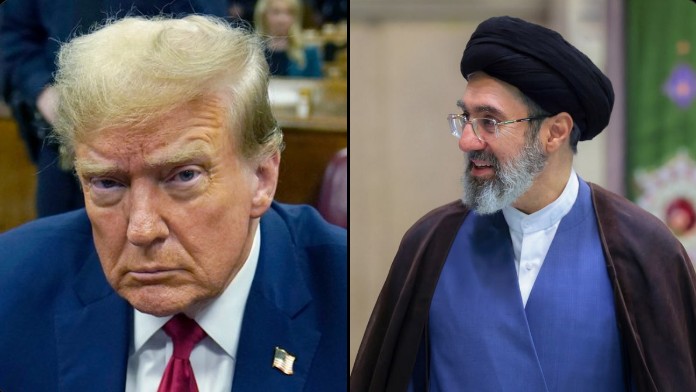
Ongoing uncertainty in the Strait of Hormuz continues to shake global markets. Analysts say the crisis is driven not by military power, but by both sides’ inability to step back.
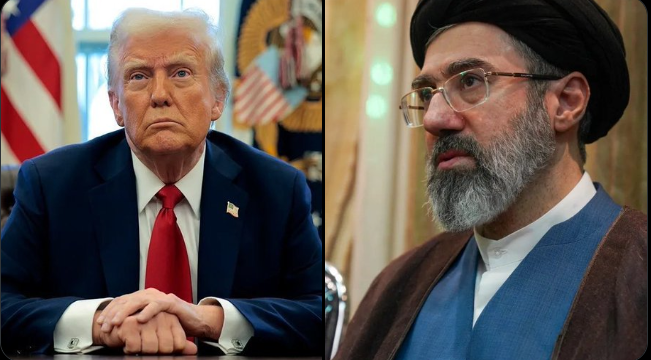
Why does the Strait of Hormuz keep opening and closing? The answer is deeper than you think.
Have you noticed something?
For weeks, it’s been the same cycle. It looks like it’s about to be resolved, but it isn’t. A reassuring statement comes out, only to be reversed hours later.
Why doesn’t this uncertainty ever end?
Most people see this as a matter of military power.
But the real reason isn’t military.
Ray Dalio once wrote an article. He asked a very interesting question.
Why do wars happen where both sides lose?
Because most wars end up costing far more than either side wants. If they agreed, both would suffer less. They both know this. Yet they still fight.
Because they can’t back down.
The side that backs down looks weak. It loses support domestically. It loses the trust of its allies. Its people ask, “Did we surrender?”
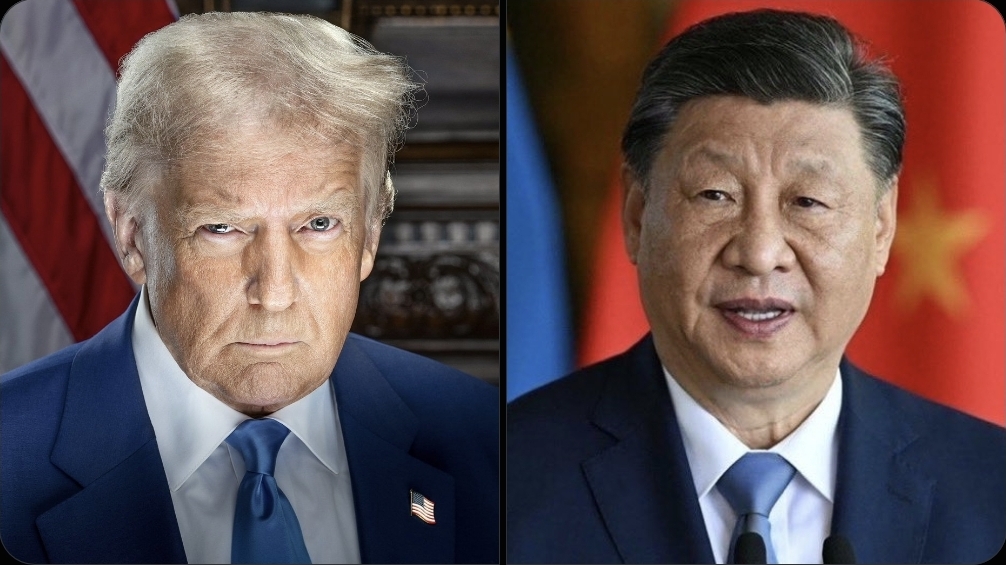
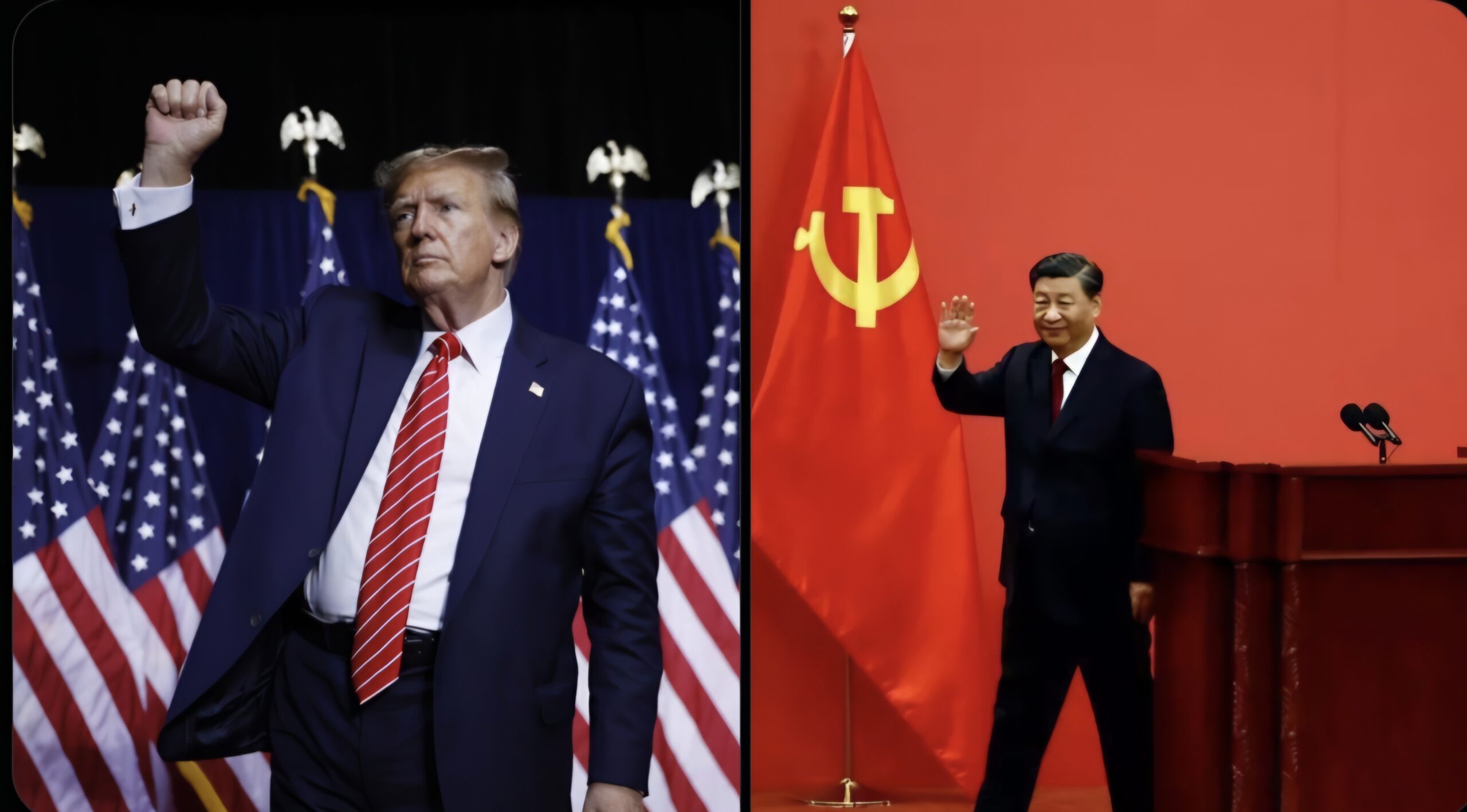
This trap applies to both sides.
One side says, “We control this strait.” If it backs down, how will it explain that to its own people?
The other side says, “We will open the strait.” If it backs down, what will the world think?
Both sides are cornered.
If you open it, you look weak. If you close it, the crisis escalates. If you agree, it looks like a concession. If you don’t, uncertainty continues.
This cycle has happened many times in history.
The uncertainty in Hormuz looks like a strait issue. But it isn’t.
It’s an inability to back down.
If both sides agreed, everyone would win. The strait would open. Oil would fall. Trade would normalize.
But agreement means concession. Concession means looking weak. And the side that looks weak loses.
That’s why the uncertainty doesn’t end.
The strait keeps opening and closing because neither side can fully take control, but neither can step back either.
Dalio calls this the “prisoner’s dilemma.”
Two people are caught. They’re put in separate rooms. They can’t see each other.
There are three possibilities.
If both stay silent, both get light sentences. The best outcome.
If one informs and the other stays silent, the informer goes free and the silent one gets the harshest sentence.
If both inform, both get heavy sentences.
The smartest choice is for both to stay silent.
But both fear the same thing: “What if the other betrays me?”
Distrust wins. Both inform. Both get punished heavily.
That’s exactly what’s happening in Hormuz.
So how does this uncertainty end?
The outcome of a war isn’t determined by who is stronger, but by who can endure pain longer.
Your ability to endure pain matters more than your ability to inflict it.
For Iranians, this war is everything. Their Supreme Leader Khamenei was killed. Their infrastructure was damaged. For them, this is existential.
What are Americans worried about? Gas prices. Midterm elections. Public pressure.
This asymmetry could determine the outcome.
Whichever side can endure less pain will be the one to back down.
This is my personal analysis.
I’m following developments and will keep you informed.
Kaynak: Penguin X @ThePenguinBTC