19 Temmuz 2026
açık


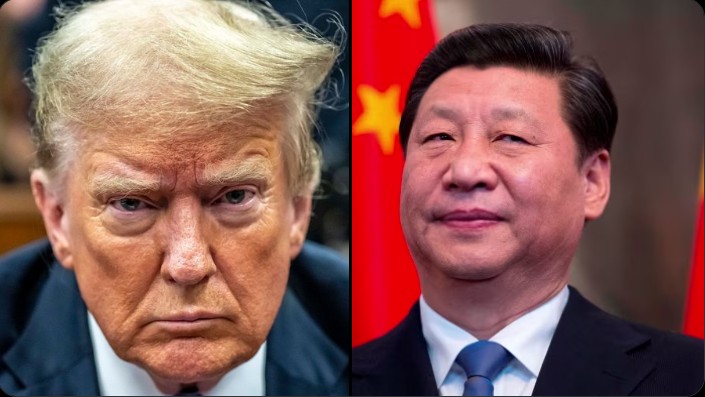
Reports claim Trump’s China visit includes 17 top CEOs from major U.S. companies, signaling a strategic delegation spanning finance, tech, defense, and more.
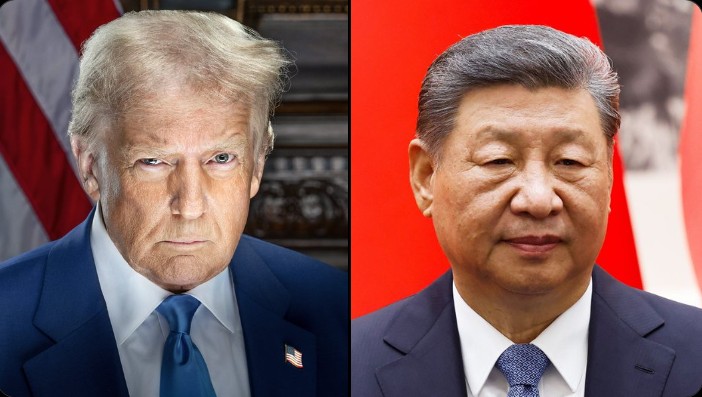
Trump is doing something no U.S. president has ever done this week.
He is going to China with the CEOs of 17 companies.
Names in the delegation:
• Jane Fraser — Citi
• Tim Cook — Apple
• Elon Musk — Tesla
• Larry Fink — BlackRock
• Stephen Schwarzman — Blackstone
• David Solomon — Goldman Sachs
• Sanjay Mehrotra — Micron
• Christiano Amon — Qualcomm
• Kelly Ortberg — Boeing
• H. Lawrence Culp — GE Aerospace
• Chuck Robbins — Cisco
• Ryan McInerney — Visa
• Michael Miebach — Mastercard
• Dina Powell McCormick — Meta
• Brian Sikes — Cargill
• Jacob Thaysen — Illumina
• Jim Anderson — Coherent
17 names, 17 strategic sectors.
Banking, chips, technology, aviation, payments, biotechnology, agriculture.
Leaders from nearly every major U.S. sector are accompanying Trump.
This list is not random. It is the map of Trump’s negotiation strategy.
Let me explain.
Trump’s China trip has been on the agenda for months. The date was known, the agenda was known, and the negotiation table was already set.
What is surprising is the list.
A U.S. president can go to China alone, with a small delegation, or with representatives from a single sector.
Trump chose a different approach.
He brought leaders from nearly every strategic sector of the U.S. economy.
This is not a coincidence.
On this trip, Trump is not negotiating a single issue—he is putting the entire U.S. strategic demand list on the table.
What the list reveals
Every name represents a bargaining point.
Chips — Micron, Qualcomm, Coherent.
Finance — Citi, BlackRock, Goldman Sachs, Blackstone.
Technology — Apple, Tesla, Cisco, Meta.
Aviation — Boeing, GE Aerospace.
Payments — Visa, Mastercard.
Agriculture — Cargill.
Biotechnology — Illumina.
Nixon visited China in 1972 and made a symbolic opening.
During the Bush and Obama administrations, CEO delegations also visited, but none were this broad or strategically comprehensive.
What it means for us
U.S.–China tensions have been pressuring global markets for months. This visit signals a shift toward a negotiation phase.
If a major deal is reached: global risk appetite rises, tariffs ease, and supply chain risks decline. A positive environment emerges for Bitcoin and altcoins.
If a symbolic agreement is reached, tensions ease but no structural solution follows.
If no agreement is reached, Trump may increase pressure again, and China could respond in return.
This is my personal analysis.
The coming period is critical. I will keep you updated.
Kaynak: Penguin X @ThePenguinBTC