18 Hazirane 2026
açık


The alleged US–Iran draft memorandum published by Bloomberg includes critical provisions such as the end of war, reopening of the Strait of Hormuz, lifting of sanctions, and a $300 billion economic package.
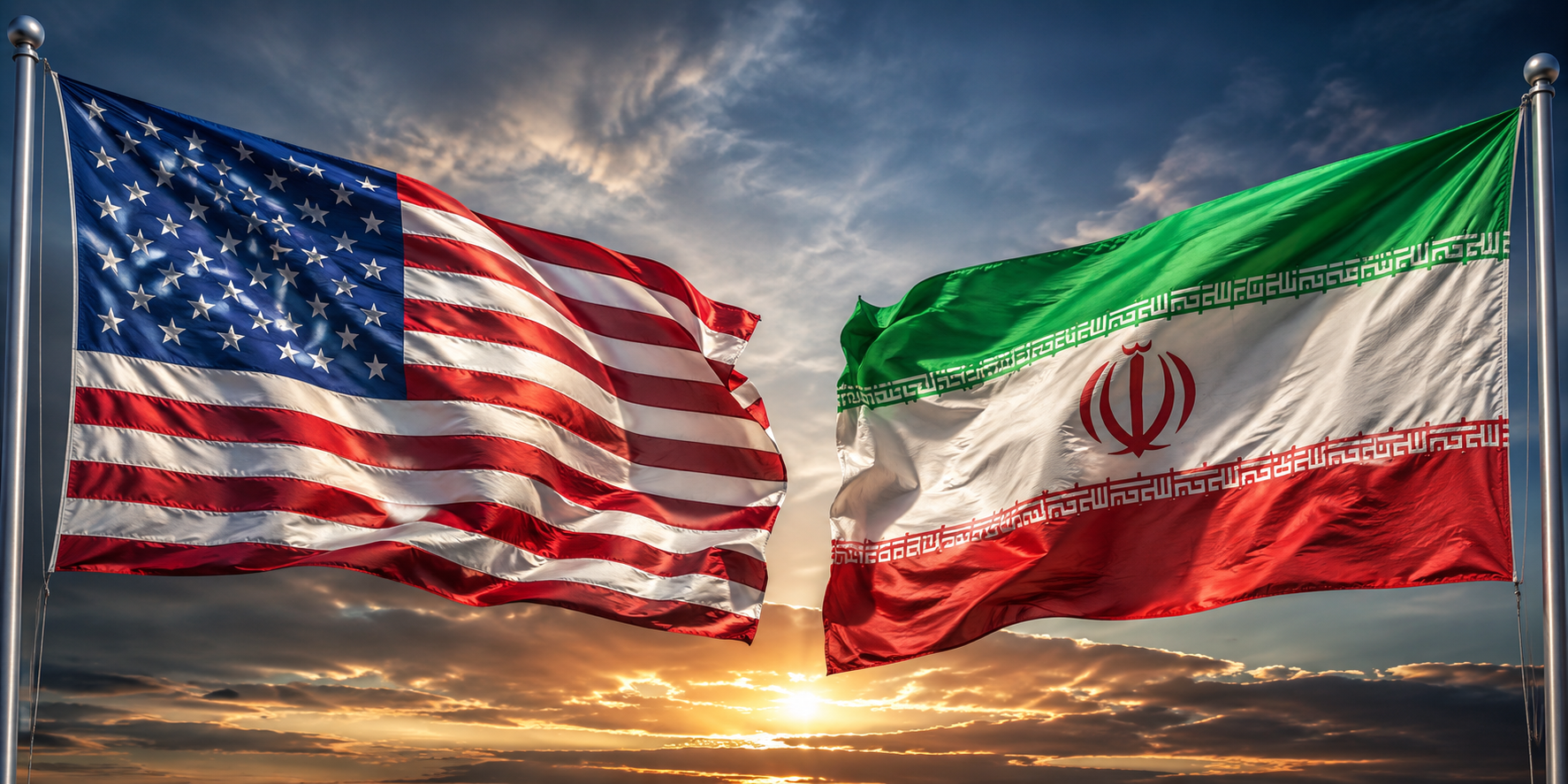
Bloomberg, based in the United States, shared with the public the draft of a 14-point memorandum of understanding allegedly agreed between the United States and Iran. The draft includes a comprehensive ceasefire and diplomatic normalization process following a long-standing period of tension between the two countries.
End of War and Diplomatic Commitments
According to the draft, the parties commit to declaring the immediate and permanent cessation of military operations on all fronts, including Lebanon. The United States and Iran also agree to respect each other’s sovereignty and territorial integrity and not to interfere in internal affairs.
Negotiation Process and Final Agreement
According to the document, the parties aim to continue negotiations in order to finalize a comprehensive agreement within a maximum of 60 days. This period may be extended with mutual consent.
Strait of Hormuz and Maritime Traffic Arrangements
The draft states that the United States will lift its naval blockade and that maritime traffic in the Strait of Hormuz will return to pre-war levels within 30 days. It is also stated that Iran will reorganize commercial shipping transit in the region.
It is further reported that the United States commits to withdrawing its military presence in the region following the final agreement.
Economic Package and Sanctions
Another notable point in the draft is that the United States agrees to prepare a financing plan of at least 300 billion dollars for the reconstruction and economic development of Iran.
The United States also commits, under the final agreement, to lifting all sanctions and releasing Iran’s frozen assets.
Nuclear Program and Assurance Clauses
It is stated that Iran confirms it will not develop nuclear weapons, and that its stockpile of enriched uranium will be handled under the supervision of the International Atomic Energy Agency.
It is also stated that the parties will reassess the technical details of Iran’s nuclear program in the final agreement.
Expectation of Signing in Geneva
The memorandum has not yet been officially published, but it is reported that the parties have completed electronic signatures and that the agreement is expected to be formalized at a ceremony in Geneva on June 19.
All military operations will be halted
A permanent ceasefire will be established
No operations will be conducted through proxy forces against each other
The use of force and threats will be completely rejected
Recognize each other’s state sovereignty
Respect territorial integrity
Not interfere in internal affairs through political, military, or economic means
Refrain from attempts at regional regime change
This provision aims to move relations from a “cold conflict” level to a diplomatic framework.
A comprehensive final agreement will be negotiated within 60 days
The period may be extended by mutual decision
Technical committees will remain active throughout the process
Disputed issues will be addressed under separate headings
The United States will lift the naval blockade
Maritime traffic in the region will return to pre-war levels within 30 days
Freedom of passage will be granted for commercial vessels
The United States will withdraw its military presence after the final agreement
This provision is considered critical for global energy transportation.
Guarantee safe passage for commercial vessels along the Gulf–Sea of Oman route
Remove mines and technical obstacles
Restore maritime traffic to normal levels within 30 days
Coordinate with regional coastal states
Engage in dialogue with the Sultanate of Oman regarding the management of the Strait of Hormuz
Prepare a package of at least 300 billion dollars for Iran’s economic reconstruction
Prioritize the energy, infrastructure, and financial sectors
Define the fund usage mechanism within 60 days
Involve international financial institutions in the process
Commits to lifting all sanctions, including United Nations Security Council sanctions
Ends primary and secondary sanctions
Removes banking, energy, and trade restrictions
Ties the lifting schedule to the final agreement
Formally confirms that it will not develop nuclear weapons
Places its existing enriched uranium stockpiles under IAEA supervision for destruction or dilution
Restructures its nuclear program for civilian use only
Defines enrichment limits in the final agreement
Iran will not expand nuclear activities
The United States will not impose new sanctions
No additional military forces will be deployed to the region
Both parties will avoid provocative actions
Grants temporary export exemptions for Iranian oil and petrochemical products
Facilitates banking and insurance transactions
Issues special permits for logistics and transportation services
These arrangements remain in place until sanctions are fully lifted
Gradually releases Iran’s frozen funds
Establishes a technical mechanism for fund usage
Transfers funds under the control of the Central Bank of Iran
Ensures mutual oversight throughout the process
Establish a joint committee to oversee implementation of the agreement
Include technical, diplomatic, and military representatives
Activate a rapid response mechanism in case of violations
Create a regular reporting system
Additional topics will be opened as key provisions are activated
Negotiations will be limited to specific issues
Priority will be given to security and economic normalization
The process will be carried out in a step-by-step manner
Will be formalized through a binding United Nations Security Council resolution
Will be grounded in international law
Will ensure global guarantees of obligations
Will establish a diplomatic enforcement framework in case of violations