12 Temmuz 2026
açık


Fire beside Winsford line suspends services; major delays expected as emergency crews respond. Check updates and travel alternatives.
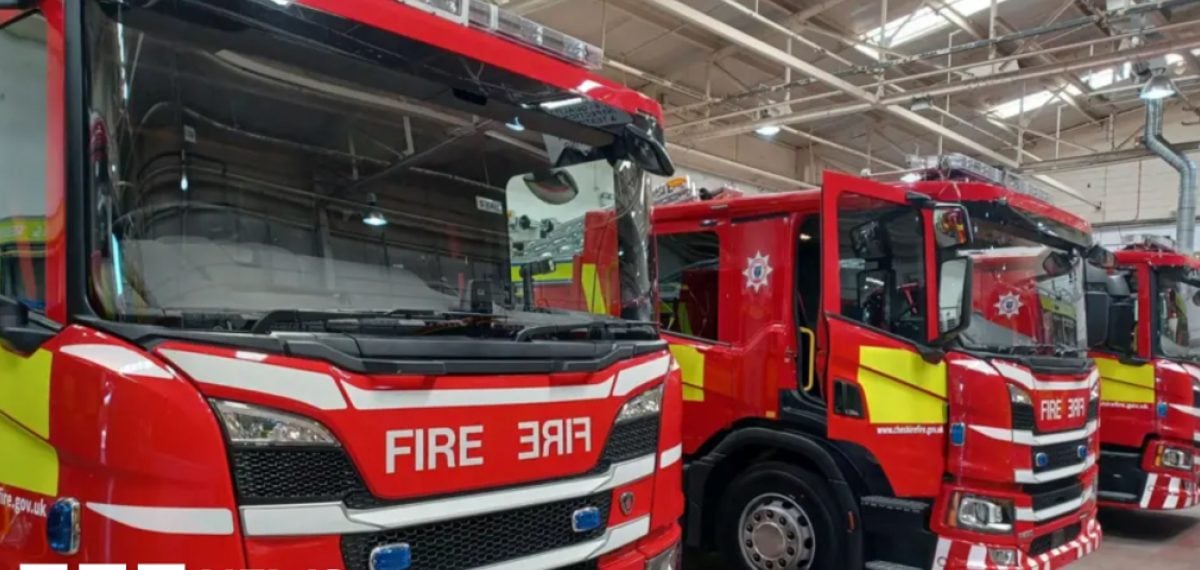
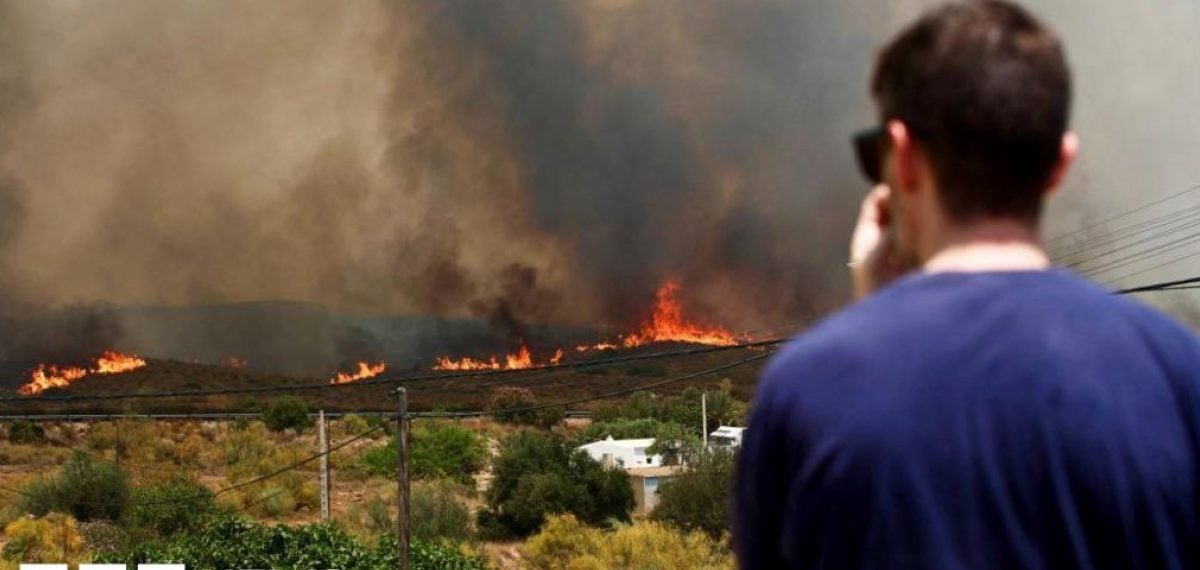
A fire beside the railway near Winsford station in Cheshire forced the closure of all lines running through the station, causing cancellations and long delays across services on Saturday. National Rail confirmed the shutdown and warned that significant disruption was likely to continue through the day.
Avanti West Coast services between London Euston and Liverpool Lime Street, Preston, Glasgow Central and Edinburgh are among those affected, alongside London Northwestern Railway trains between Birmingham New Street and Liverpool Lime Street. National Rail said journeys between Crewe and Runcorn and Warrington Bank Quay may be cancelled, delayed by up to 60 minutes, revised or diverted.
Avanti West Coast announced flexible travel arrangements: tickets can be used on specified Northern, TransPennine Express and Transport for Wales services at no extra cost. For travel today on routes to Liverpool Lime Street, Glasgow Central or Edinburgh, Avanti said tickets dated today are also valid on services on Sunday.
Passengers on cancelled trains may use their ticket on one of the two Avanti services immediately before or after their booked train, or request a refund from their point of purchase if they choose not to travel. London Northwestern Railway added that its customers can travel on Northern and Merseyrail services between Liverpool South Parkway and Liverpool Lime Street without extra charge.
National Rail said a shuttle bus is running between Crewe and Liverpool South Parkway in both directions to help passengers reach connecting services while tracks remain closed.
The closure of a key corridor through Winsford illustrates how a single local incident can ripple across regional and long-distance networks. Economically, cancelled and delayed services disrupt commuter patterns and freight connections that rely on timetable resilience, magnifying costs for operators and passengers alike. Operationally, the incident highlights the sector’s dependence on contingency routes and the value of clear passenger communications to limit crowding and secondary disruption at hubs such as Crewe and Liverpool.
For travelers, flexible ticketing and shuttle buses ease immediate hardship but do not remove the potential for lost time and missed connections. For operators and local authorities, the episode underscores the need for rapid incident response and infrastructure protection where lines run close to roads, vegetation or other fire risks.