27 Ağustos 2026
açık


Prince Harry offers compassion and support to bereaved children at Scotty’s Little Soldiers festival, honoring families with empathy and presence.
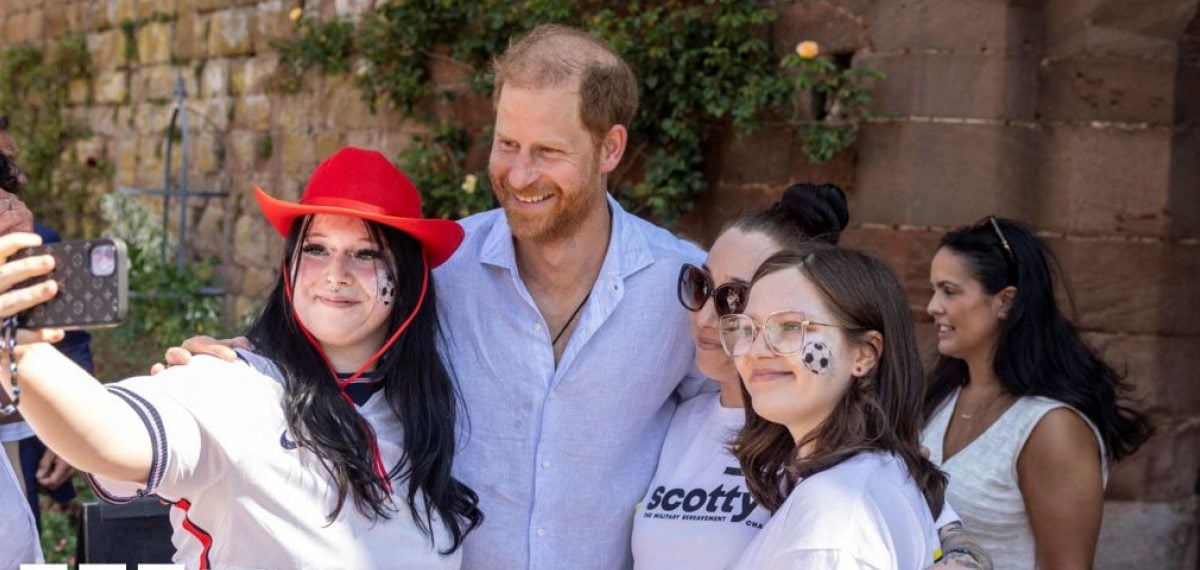
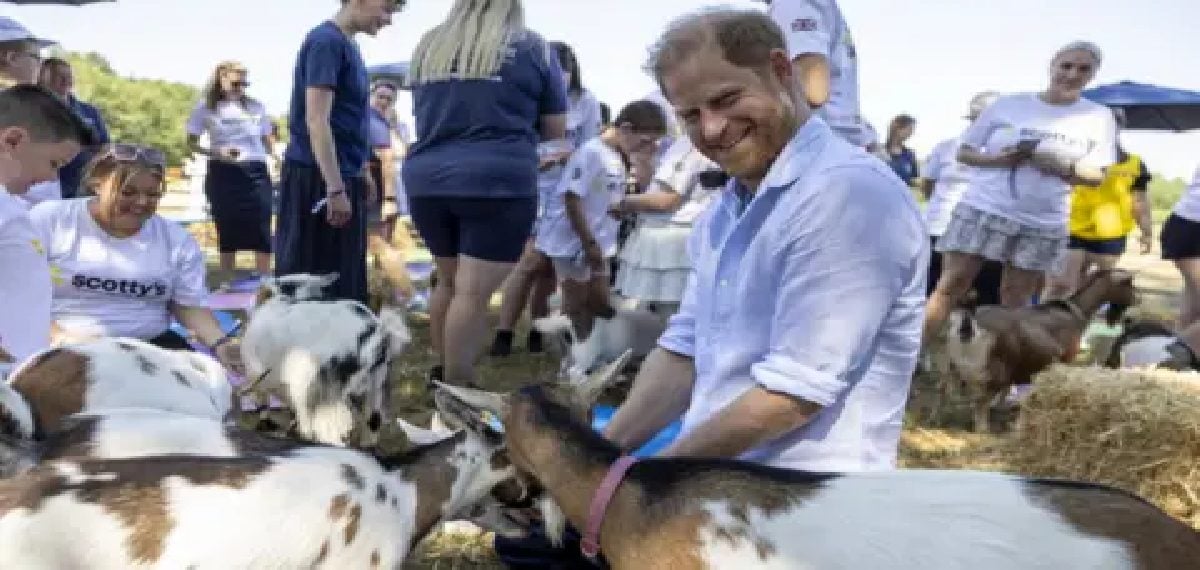
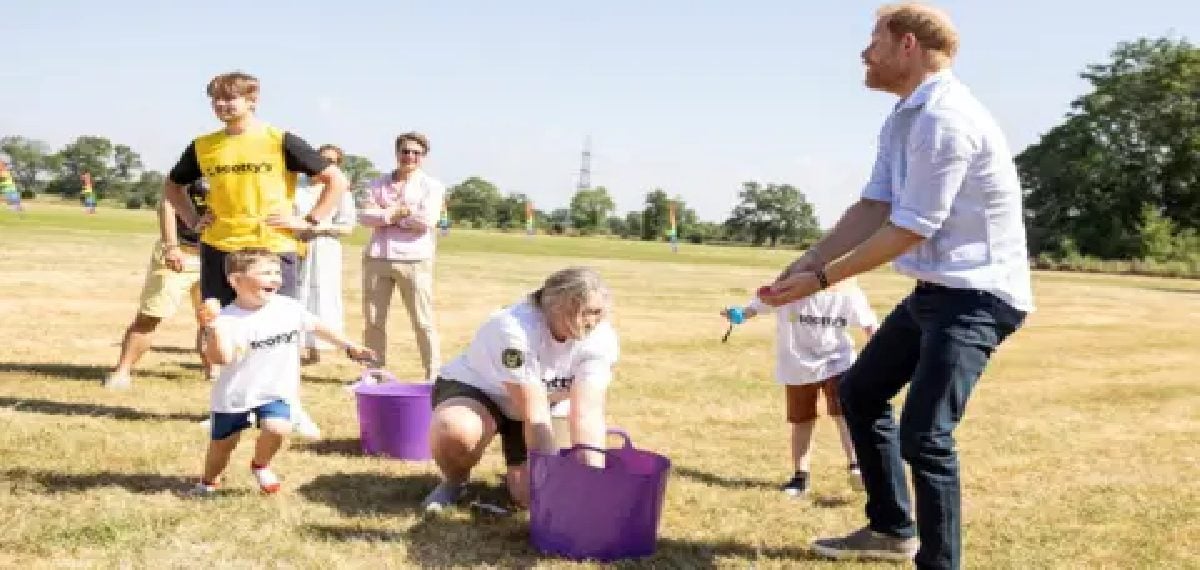
Prince Harry visited a summer festival in Warwickshire organized by Scotty’s Little Soldiers, where he spoke candidly with bereaved children about marking anniversaries, handling grief and finding small comforts in difficult days. The appearance came at the end of his UK visit, a day after a private family meeting with the King and Queen at Highgrove, and followed a program that included a goat yoga session and a question-and-answer with young people whose parents died while serving in the armed forces.
During the Q&A, nine-year-old Poppy asked which moments make him laugh after hard days; Harry said his children, his dog and light comedy on television often help, while acknowledging that some days simply feel too heavy for laughter.
When 16-year-old Sebastian asked how he marks the anniversary of his mother’s death, Harry replied they observe the day with lemon drizzle cake, emphasizing the value of traditions. For 21-year-old Joshua’s question on de-stressing, the duke recommended exercise—walking, swimming in cold sea and getting outside—and urged young people to speak about their feelings rather than sitting alone with grief.
The visit highlighted personal conversations with young people who lost parents in service or service-related incidents: Able Seaman Daniel Turnbull (died 2020), Rev John Hill (died 2010) and Lance Corporal Christopher Bradshaw (died 2011) were among those remembered during the event.
Harry’s appearance promoted the Invictus Games and came amid a contentious UK return: he attended public events without Meghan, faced a security dispute and recently lost a High Court claim against the publishers of the Daily Mail and Mail on Sunday alleging unlawful information gathering.
Prince Harry’s frank conversation with bereaved children underscores a broader shift in public figures addressing mental health and grief in informal, relatable settings. By combining a light public program—goat yoga—and candid Q&A moments, the event made space for destigmatizing emotional openness among military families, potentially encouraging charities and service communities to prioritize accessible peer support and routine-based rituals for remembrance.
At the same time, the visit illustrates the tightrope public figures walk between private grief work and media scrutiny. The duke’s focus on practical coping strategies complements existing veterans’ support initiatives, while the legal and security controversies surrounding the visit may shape how future outreach is staged and resourced.