23 Ekim 2026
açık


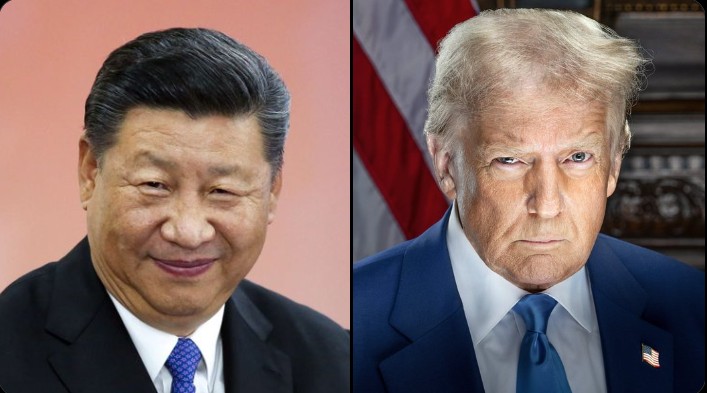
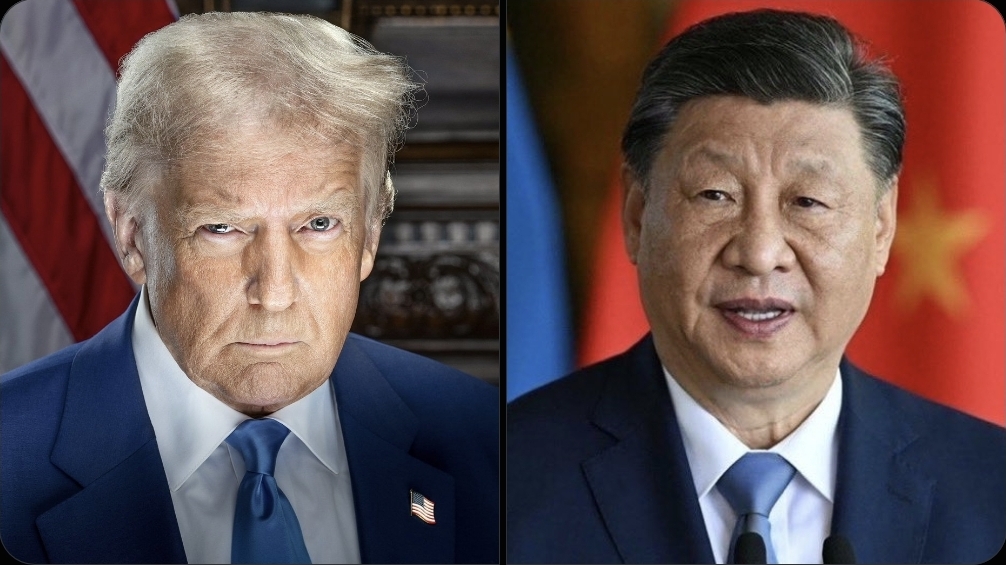
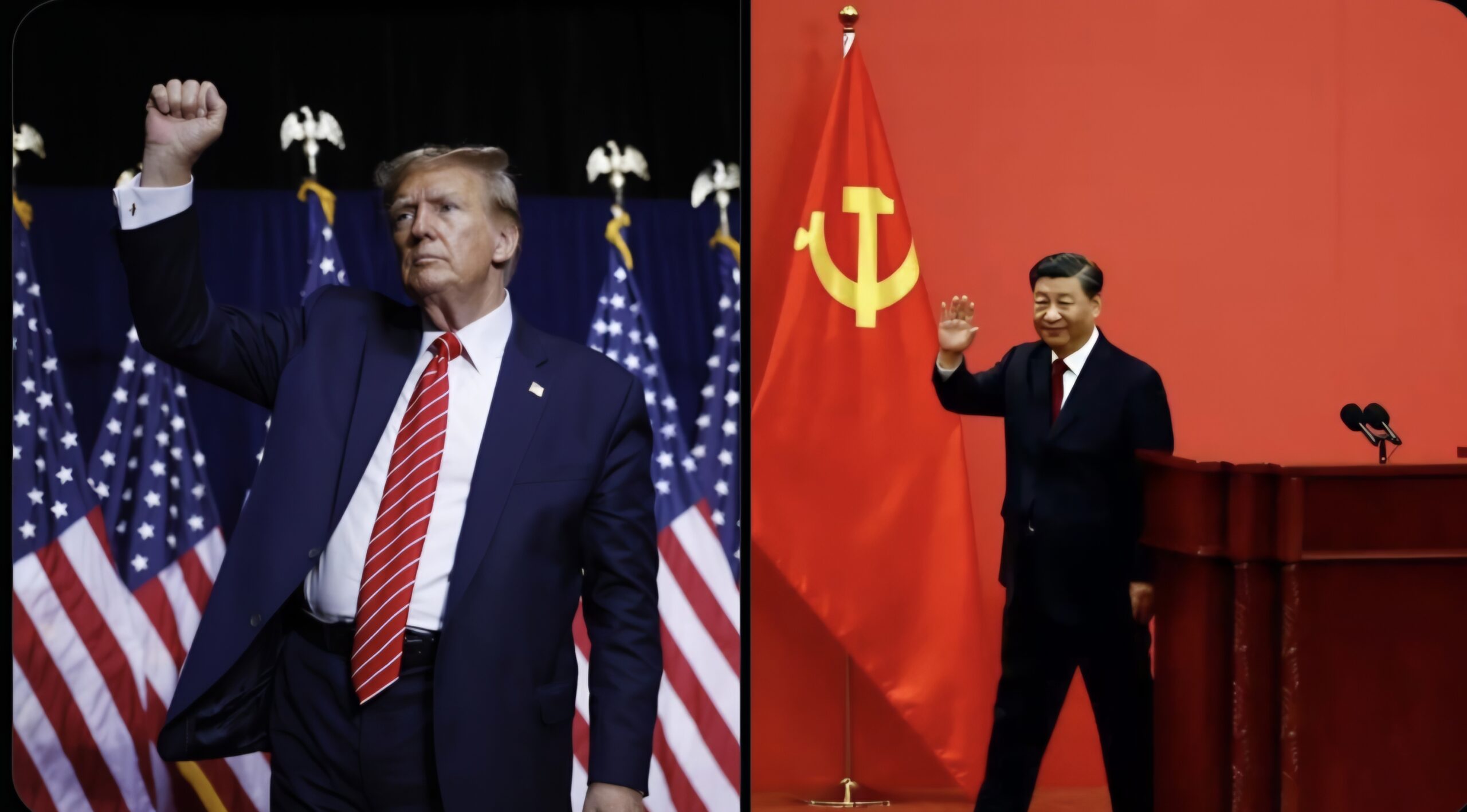
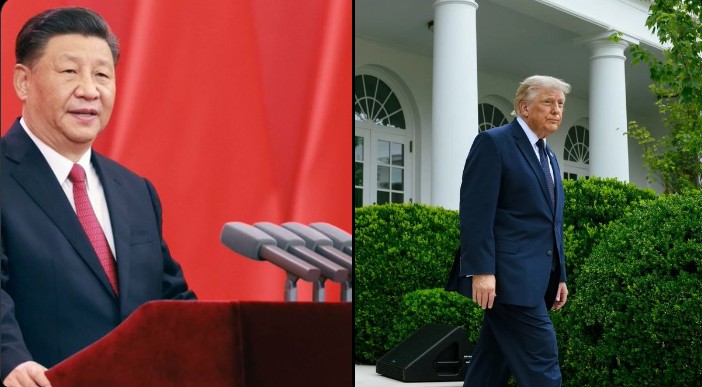
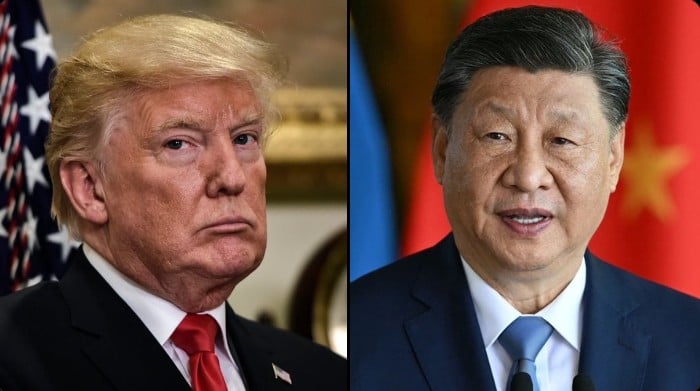
Donald Trump-Xi Jinping summit: China made a move that could shape the future of artificial intelligence.
This week, at the table in China, the U.S. eased its three-year chip ban and granted 10 major Chinese companies permission to purchase NVIDIA H200 chips.
China’s response was just one word: “Wait.”
On the surface, this event may seem small. In reality, it could become one of the most important moments in AI history.
Read carefully.
Until 2022, China was freely purchasing American chips. From Alibaba Cloud servers to ByteDance data centers, from Tencent infrastructure to Baidu machines, NVIDIA chips were everywhere.
That changed in 2022. The Biden administration placed chip sales under export controls for the first time.
The goal: slow down China’s progress in the AI race.
In 2023, restrictions expanded further. NVIDIA’s most powerful chips, the H100 and A100, were completely banned from China.
To bypass the ban, NVIDIA began producing lower-capacity chips specifically for China. First came the H800, then the H20.
But in 2024, the U.S. banned those special models as well.
For three years, China was cut off from American chips.
China did not stand still. While the bans continued, it quietly built its own alternatives and turned toward domestic production.
May 11. During the week of the Trump-Xi summit, the U.S. Department of Commerce made the long-awaited decision to ease the three-year export restrictions.
Ten Chinese firms were granted permission to purchase NVIDIA H200 chips.
The list included Alibaba, Tencent, ByteDance, Lenovo, Foxconn, and five other companies.
Wall Street celebrated, and NVIDIA shares began to rise.
Then China spoke. Xi’s government reportedly instructed the companies on the list to “wait for now.”
This time, the restriction did not come from the U.S. China itself said no.
So what is China trying to do?
China’s goal is clear: end dependence on America in artificial intelligence.
And this is not a new objective. China has been quietly preparing for the last two years.
Huawei developed its Ascend series. Cambricon and Biren received billions of dollars in state support. Yangtze Memory returned to the global market in memory chips.
All of it serves one plan.
The plan has three stages.
The first stage was maturing domestic alternatives. That phase was completed this year.
The second stage is saying “no” to American chips. That phase began this week.
The third stage is scaling Chinese AI companies globally.
China wants to move from buyer to producer, and from producer to exporter.
It has followed this path before in other industries.
In electric vehicles, it nurtured competitors to Tesla, and today BYD is the world’s largest EV manufacturer.
In telecommunications, Huawei surpassed Cisco in many markets.
In solar panels, China captured 80% of the global market.
Now AI is next.
What is the U.S. doing?
America’s AI investment is already at record levels.
Amazon, Microsoft, Google, and Meta plan to spend $725 billion this year alone. Four companies investing $725 billion into a single sector.
That figure is larger than the annual GDP of Belgium, Sweden, or Norway.
The U.S. is pushing its AI capacity to the limit.
So what does this mean for investors?
Competition always drives rapid growth.
When someone runs alone without rivals, they eventually slow down. When two sides run at the same time, both accelerate.
History has shown this repeatedly.
During the Cold War, the U.S. and the Soviet Union competed in the space race, and within 10 years humanity reached the moon. In smartphones, Apple and Samsung competed, and smartphones entered every pocket.
Competition accelerates progress.
My personal view:
I have watched these markets for years, and one rule has always proven true:
Big transformations begin when almost nobody is paying attention.
In the summer of 1995, people laughed at those talking about the future of the internet. Five years later, the world could no longer live without it.
In January 2007, when Steve Jobs introduced the iPhone, technology magazines called it “an unnecessary toy.” Ten years later, smartphones became the center of everyday life.
When OpenAI launched ChatGPT at the end of 2022, many called it “temporary hype.” Within three years, AI became the fastest-growing industry in the world.
In the coming period, I’ll continue sharing my observations and research on artificial intelligence.
Stay tuned.
This is my personal analysis, not investment advice.
Kaynak: Penguin X @ThePenguinBTC