19 Temmuz 2026
açık


Honours system expands diversity and regional representation, with more working-class recipients recognized across wider areas.

The Cabinet Office reported that the UK honours system has become more socially and geographically representative, with higher awards to people from working-class backgrounds rising to 31% in the New Year 2026 list, and 38% of all New Year 2026 honourees coming from working-class backgrounds, matching the national figure.
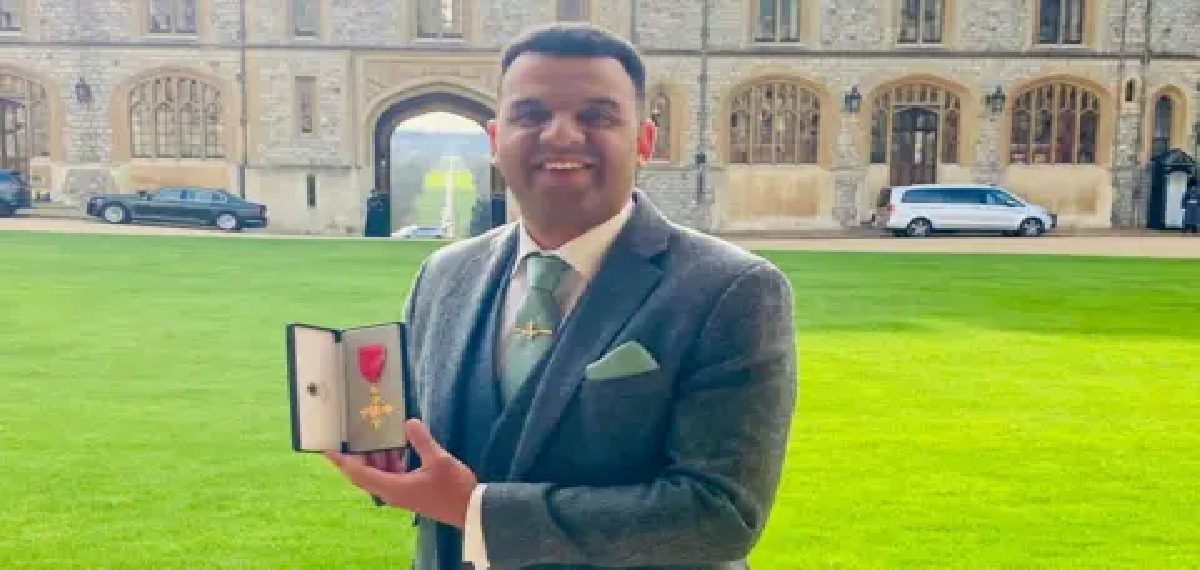
Clive Lawrence, a former head teacher raised on a council estate who received an OBE for services to education, is a member of the Honours Diversity and Outreach Committee, which was established last year to broaden the nominations pool and improve representation across the country. He said honours should recognise “everyday people doing extraordinary things” and highlighted recipients who work in education and local community projects.
The committee places a member on each advisory panel that reviews nominations. The Cabinet Office said the change followed a BBC analysis of the 2025 New Year Honours, which showed only 4% of higher award winners had working-class backgrounds, prompting a deliberate effort to widen nominations and reduce regional concentration.
Data from the 2026 Birthday honours show higher awards for people from the north of England more than doubled to 13%, although that remains below the region’s population share. London and the south east still accounted for 56% of higher honours while representing 27% of the UK population.
Examples cited in the Birthday and New Year lists include Michael Akers, awarded an MBE for campaigning for better access to speech therapy for children; Ally Outten, who received a BEM for lending prom dresses to families in need; Sali Hughes, awarded an MBE for establishing “beauty banks” addressing hygiene poverty; and Alexander Rigby, who received a BEM for fundraising for domestic abuse victims.
The Cabinet Office oversees the main New Year and Birthday lists—about 1,200 people each time—including knighthoods, damehoods, CBEs, OBEs, MBEs and BEMs; the drive to widen representation does not apply to political peerages or separate military and international honours lists.
Official figures show a notable increase in representation: higher awards to people from working-class backgrounds rose from 4% in the 2025 analysis to 31% in New Year 2026, and overall working-class representation reached 38% in New Year 2026. Regional shifts include a rise in higher honours for the north of England from 6% to 13% in the most recent data, while London and the south east continue to account for a disproportionately large share of higher awards at 56%.
The honours system’s outreach measures include using broader networks such as social media and LinkedIn to find nominees and placing diversity committee members on selection panels; despite progress, representation of disabled people in honours remains below their 22% share of the population.