21 Ekim 2026
açık


The era of nation-states in Bitcoin begins today in Iran.
Iran has announced a new maritime insurance platform called “Hormuz Safe” for tankers passing through the Strait of Hormuz.
All payments processed through this platform will be made in Bitcoin.
This system completely bypasses SWIFT.
Iran expects to generate over $10 billion annually from this structure.
Most people will read this as just another Bitcoin development and quickly move on.
I see something different.
Read carefully.
To understand the system, we need to go back to 1974.
That year, the United States and Saudi Arabia signed a historic agreement.
Saudi Arabia would sell its oil exclusively in U.S. dollars, and in return, the U.S. would provide military protection. The rest of OPEC soon followed this rule.
From that point on, every country that wanted to buy oil had to first obtain dollars.
This became the foundation of American economic power.
Iran is now stepping into that gap.
Through the Hormuz Safe platform, it offers a clear proposal:
“Pay me a premium in Bitcoin, and I will guarantee safe passage.”
The power of the petrodollar did not come from “preference” but from “necessity.”
The world did not use dollars because it wanted to — it used them because it had to.
Iran’s move does not eliminate dollar demand, but it removes dollar necessity from this part of the system.
This is the structural difference.
A tanker owner now has two options:
Either avoid passing through the Strait of Hormuz, or hold Bitcoin in their wallet.
The key issue is that this structure cannot be easily shut down by the United States.
Traditional sanction tools operate through SWIFT, banking networks, and international payment companies. The U.S. can intervene in all of them.
Bitcoin is not part of any of these systems.
There is no central authority to sanction, no server to shut down, no corporate executive to pressure.
For the first time in history, the U.S. intervention surface is this limited.
This is the bigger picture.
The real target audience of this move is not individual investors.
It is states.
Put yourself in the position of a country that has bad relations with the United States. Your reserves are in dollars, your gold is stored in vaults in London, and your payments go through SWIFT. Everything seems normal today.
But one morning, you might lose access to all of it.
We saw what happened to Russia.
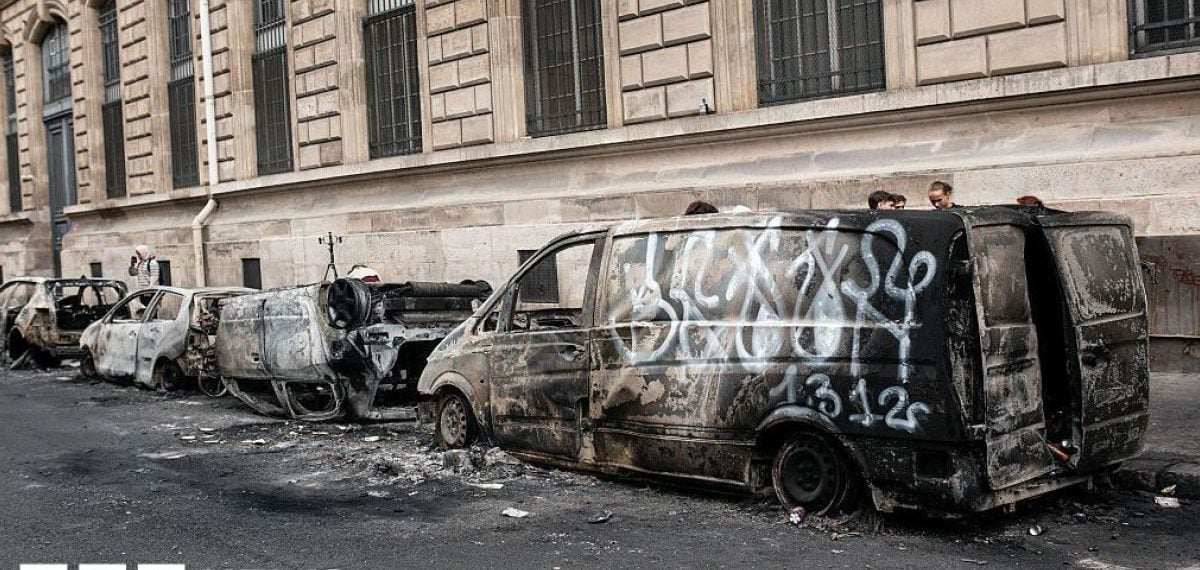
On the first day of the Ukraine war in February 2022, the West froze over $300 billion of Russian central bank reserves within hours.
We saw what happened to Iran.
For decades, its assets have been frozen in various banks outside the SWIFT system.
We saw what happened to Venezuela.
Tether froze millions of USDT linked to Venezuelan oil trading wallets.
Bitcoin is becoming the antidote to this fragility.
That is why, in recent years, Bitcoin has quietly entered the radar of sanction-risk states.
Russia, Venezuela, Cuba, Brazil.
Dozens of states are now watching Iran’s move.
If the model works, others will likely follow.
Fifty years ago, the United States closed one door:
“Oil will only be traded in dollars.”
Today, Iran has opened a small crack next to that door.
And the United States has not yet figured out how to seal it.
This is my personal analysis.
I am following developments closely.
Kaynak: Penguin X @ThePenguinBTC