02 Temmuz 2026
az bulutlu


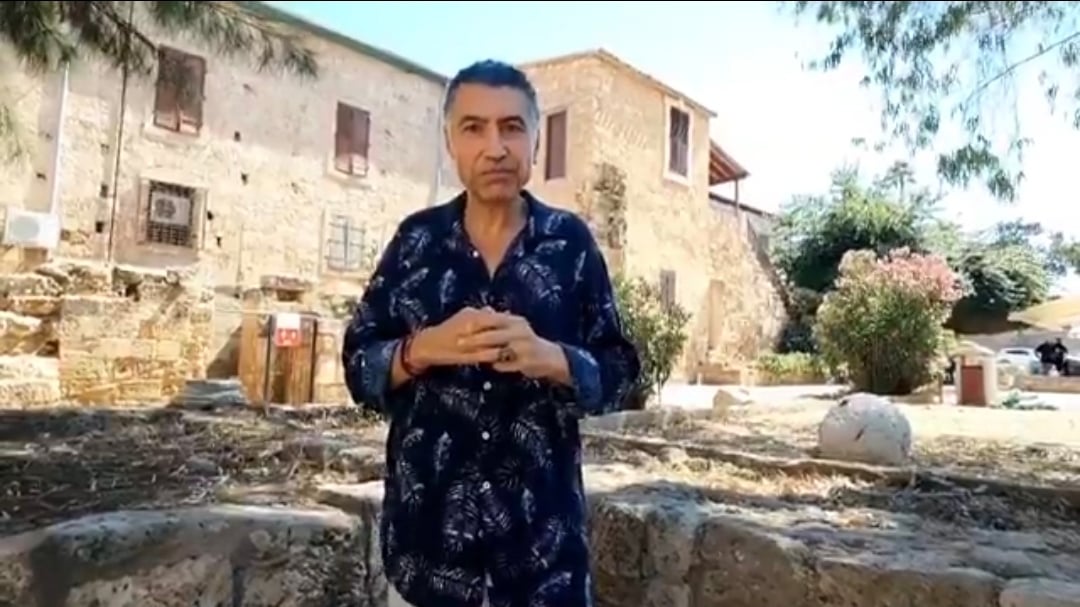
Namık Kemal…
At just 33 years old, Namık Kemal was exiled after the staging of his play “Vatan Yahut Silistre” (Fatherland or Silistra) at Gedik Paşa Theatre in Istanbul.
His exile in Famagusta lasted 38 months.
During this period, he endured harsh living conditions and suffered from various illnesses. Yet it was also the time in which he produced many of his most significant literary works.
📚 Works written in Famagusta Prison:
• Gülnihâl
• Âkif Bey
• Zavallı Çocuk (The Poor Child)
• Kara Belâ
• İntibâh (Awakening)
He also began writing his novel Cezmi in Famagusta and completed it later on the Island of Lesbos.
Today, Famagusta Prison has been restored and serves as a museum displaying Namık Kemal’s personal belongings and historical documents.
The famous couplet inscribed on the prison wall reads:
“No matter how fearless the tyrant may be,
We shall still tear down the foundations of tyranny.
Even if they cast us into the very depths of the earth,
We will burst through and shake the world itself.”
Its meaning:
No matter how ruthless or fearless the oppressor may seem, we will ultimately destroy the foundations of oppression. Even if we are buried deep beneath the earth, we will rise again with unstoppable determination.
On 2 December 1888, while still living in exile on the Island of Chios, Namık Kemal passed away at the age of 47.
His mausoleum in Bolayır, in the Gelibolu district of Çanakkale, bears another of his unforgettable couplets:
“If I should die before witnessing the nation’s hoped-for glory,
Let my gravestone read: ‘The homeland mourns, and so do I.'”
Throughout the history of these lands, regardless of one’s beliefs or ideals, those who dared to think differently often paid the highest price—some with their freedom, others with their lives.
Sadly, this painful cycle has not entirely come to an end.
What a tragedy.
#Famagusta #NamikKemal #History #FatherlandOrSilistra
Nâmık Kemâl…
— Sırrı Er (@konusmasanati) July 1, 2026
33 yaşında İstanbul Gedik Paşa Tiyatrosu’nda "Vatan yahut Silistre" oyundan sonra sürgüne gönderildi.
Nâmık Kemâl'in Mağusa sürgünlüğü 38 ay sürdü. Mağusa'da olumsuz şartlar altında yaşadı, çeşitli hastalıklara yakalandı ve eserlerinin çoğunu bu dönemde kaleme… pic.twitter.com/ofXwRW1sEK