28 Ekim 2026
parçalı bulutlu


Close Israeli vote leaves no clear winner as Arab parties gain influence, shaping the balance of power and coalition prospects.
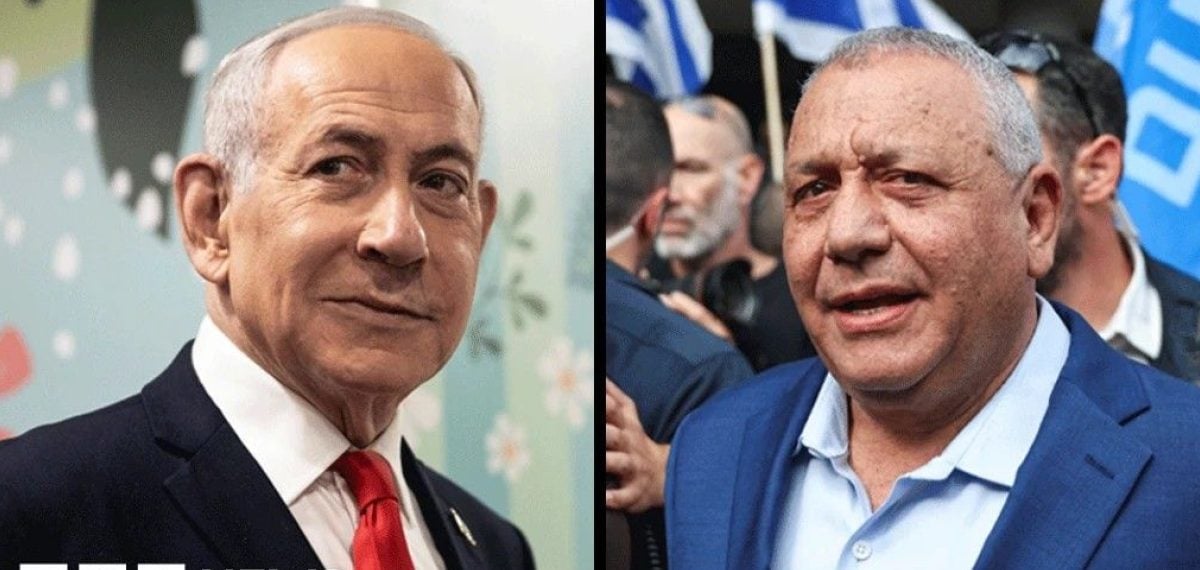
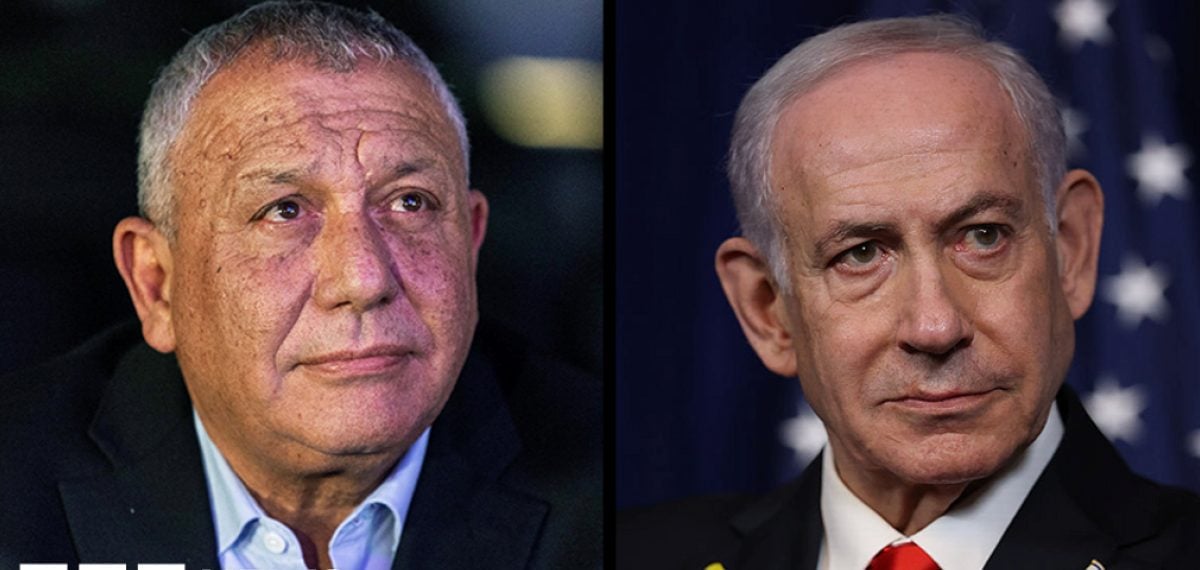
The initial exit polls from Israel’s crucial general election indicate no clear victor, with neither veteran Prime Minister Benjamin Netanyahu nor former military chief Gadi Eisenkot comfortably securing a governing majority. Broadcasters offered differing projections: two suggested the Change Bloc led by Eisenkot plus three allied Jewish opposition parties would hold 51 seats, while Netanyahu’s Likud and its far-right and ultra-Orthodox allies would reach a similar total; a third poll gave a narrow lead to Netanyahu.
Voter participation was notably high — turnout reached 77.7% when polls closed at 22:00 local time, the strongest closing-hour participation since 1999, according to the Central Elections Committee. Official counts will continue overnight, but roughly 600,000 absentee ballots (about 10% of votes), many from military personnel, are not expected to be fully tallied until Thursday.
Once the full results are certified, Israel’s president will consult party leaders and then invite the person he believes has the best chance of forming a coalition to attempt to build a government — a process that could stretch over weeks. If that effort fails, Israel may face another election.
At Eisenkot’s Tel Aviv headquarters, supporters celebrated after public broadcasters initially projected his bloc as the largest in the Knesset, with estimates ranging from 52 to 53 seats versus about 50 for Netanyahu’s coalition. Eisenkot called the night historic and pledged to translate voters’ will into “a Zionist government: stable and good for all of Israel’s citizens.” His ally Yair Lapid described the results as a “crushing defeat” for Netanyahu’s bloc.
Across the city at Likud headquarters in Jerusalem, the mood was tense rather than resigned. Supporters expressed nervous optimism, and senior figures urged caution about declaring victory prematurely. As exit-poll updates came in through the early hours, projections shifted: two broadcasters later showed the blocs tied at 51 seats, while another gave Netanyahu a slight edge.
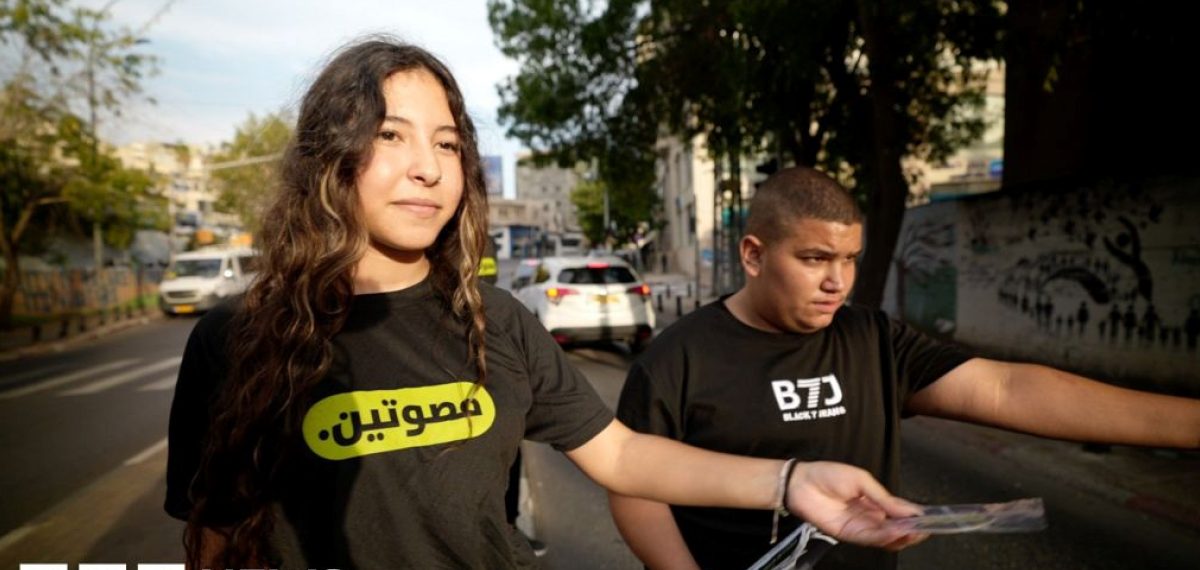
The United Arab List and the Joint List were projected to capture a record number of seats — 18 or 19 — following strong turnout among Arab Israeli voters, who constitute about one-fifth of the population and often identify as Palestinian citizens of Israel. Their potential increased representation has positioned them as possible kingmakers, although only one party has publicly signaled readiness to work with them in government.
United Arab List leader Mansour Abbas said he hoped the numbers would align so the Change Bloc and his party together could reach the 61-seat threshold necessary for a governing majority. Abbas previously participated in the post-2021 coalition led by Naftali Bennett and Yair Lapid, which lasted about a year before collapsing.
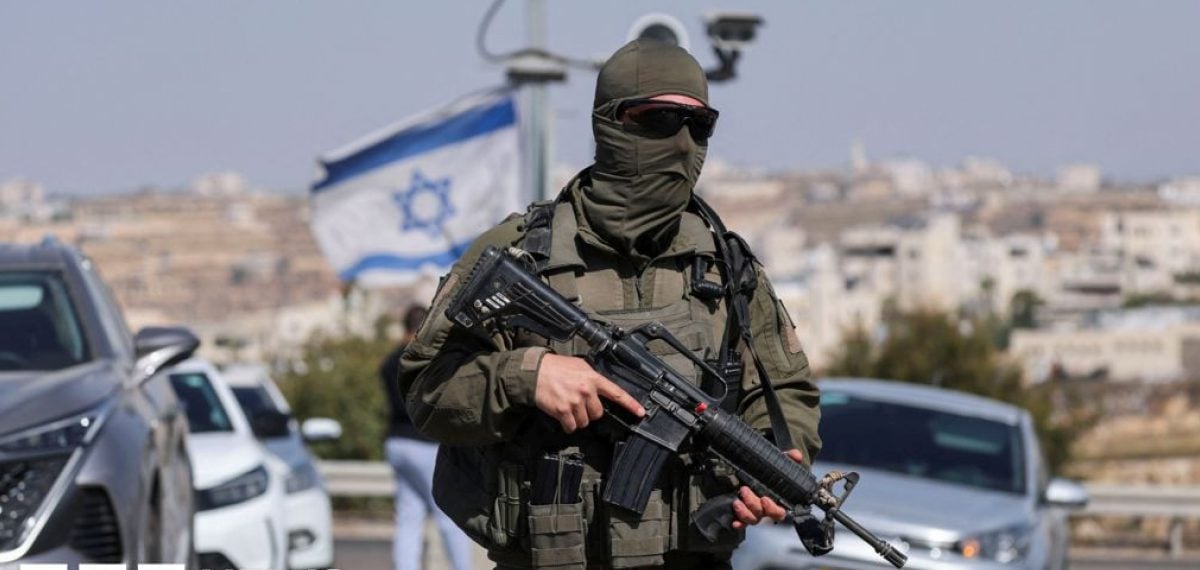
This was the first national election since the 7 October 2023 Hamas-led attacks and the subsequent conflicts in Gaza, Lebanon and Iran. Many Israelis viewed the vote as momentous — potentially determining whether the country continues along a hard-line, religious-nationalist path or moves in a different direction.
Key issues shaping the campaign included accountability for the security lapses tied to the 7 October attacks, the handling of ongoing regional conflicts, debates over military service distribution, contentious judicial reform proposals, and concerns about Israel’s international standing.
At polling sites, both sides mobilized intensely. In northern Tel Aviv, campaigners of all ages made last-minute efforts to secure votes. An 88-year-old voter said she chose Eisenkot because she believed Netanyahu was harming the country, while another voter said she backed Netanyahu as the best person to represent Israel externally.
Netanyahu and his allies warned their base throughout the day about higher turnout among left-wing and Arab voters, urging supporters to go to the polls. Some right-wing parties requested an extension of voting hours beyond 22:00, a move opponents viewed as desperation; the Central Elections Committee denied the request, stating conditions did not justify an extension and noting that high turnout reflected strong democratic engagement.
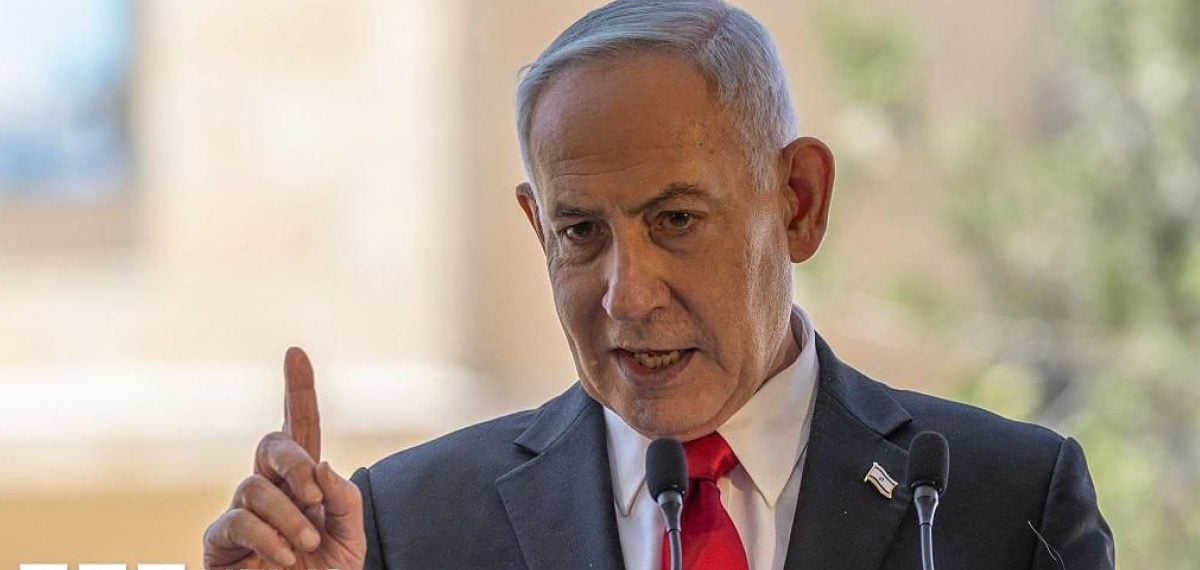
With broadcasters offering shifting projections and absentee ballots still outstanding, parties on both sides alternated between celebration and caution. Netanyahu at one point proclaimed his bloc had a “great majority” and called for forming a strong right-wing national government. Figures from across the political spectrum emphasized that the counting and post-election negotiations — not initial exit polls — would determine Israel’s next government.