25 Ekim 2026
parçalı bulutlu


How Nazareth’s Arab voters shape Israel’s elections and political balance, spotlighting community influence, turnout, and power dynamics.
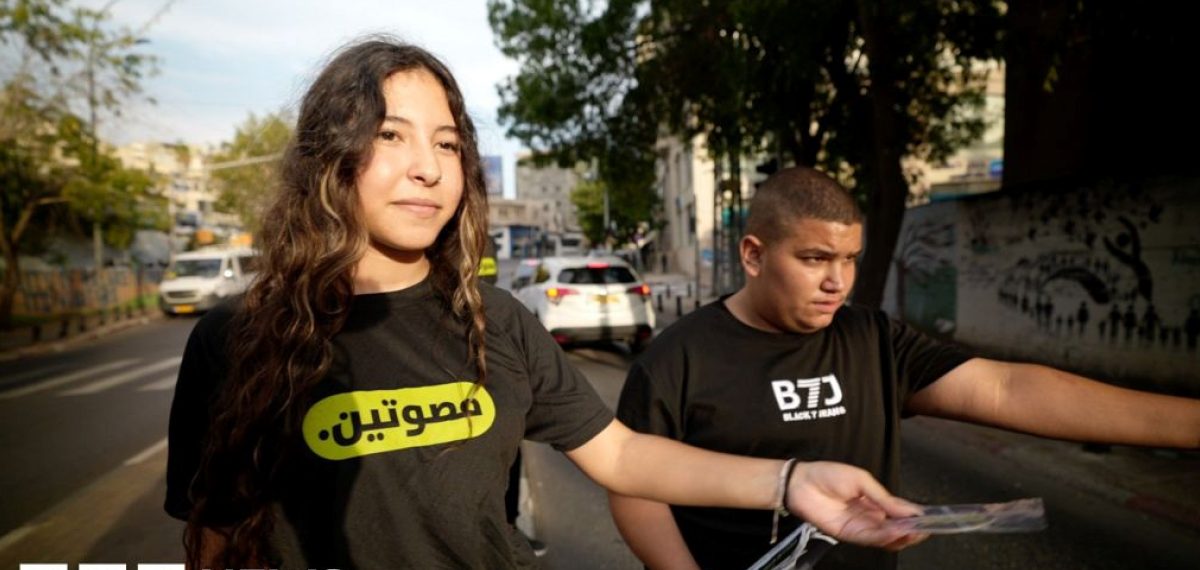
At rush hour in Nazareth, students stand along busy roads handing out leaflets urging people to vote in the closely contested general election. Arab citizens — who make up about a fifth of Israel’s population and often identify as Palestinian citizens of Israel — have historically shown lower turnout, but this time there is a concentrated effort to remove what many describe as the most right-wing governing coalition in recent history.
Many Arab voters say the current government treats them as second-class citizens. “I see it as our duty to bring down this extremist government,” says Arkan Badran, 23, who distributes flyers. He implores young people to support Arab lists, arguing that they best represent their future.
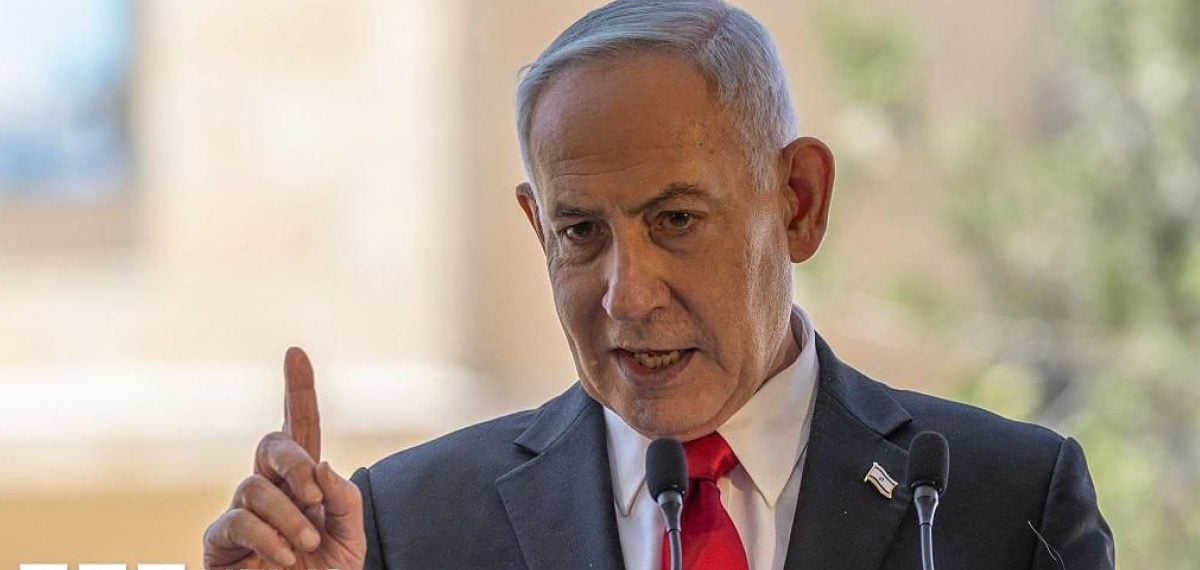
Most Jewish-led parties have publicly ruled out joining a coalition with Arab parties. Polls suggest neither Prime Minister Benjamin Netanyahu’s bloc nor the main opposition, the “Change Bloc” led by Gadi Eisenkot, has a clear route to a 61-seat majority. If those forecasts hold, anti-Netanyahu forces seeking to form a government may face a stark choice: break prior pledges or enter negotiations with Arab-majority lists that could hold the balance of power.
So far, Eisenkot has said he will not form a government with Arab parties, claiming insufficient shared values. That stance, combined with heightened mistrust and hostility toward the Arab minority since the Hamas-led attack on 7 October 2023 and the ensuing Gaza war, has made coalition-building more fraught.
Civil society activists in Arab communities describe intensified marginalization. “After October 7, we were treated as enemies of this country,” says Suha Salman Mousa of the Mossawa Centre in Nazareth. She cites arrests, workplace dismissals tied to social media posts or protests against the war, and a constricted space for dissent. Mousa accuses ministers of systematic discrimination and incitement against Arab Israelis.
The government argues budget cuts affecting Arab communities are necessary to cover wartime defence and security spending. Critics counter that Arab areas have faced disproportionate reductions in funding and that public campaigns have targeted Arab professionals, including physicians, while racist attacks have occurred against Arab bus drivers.
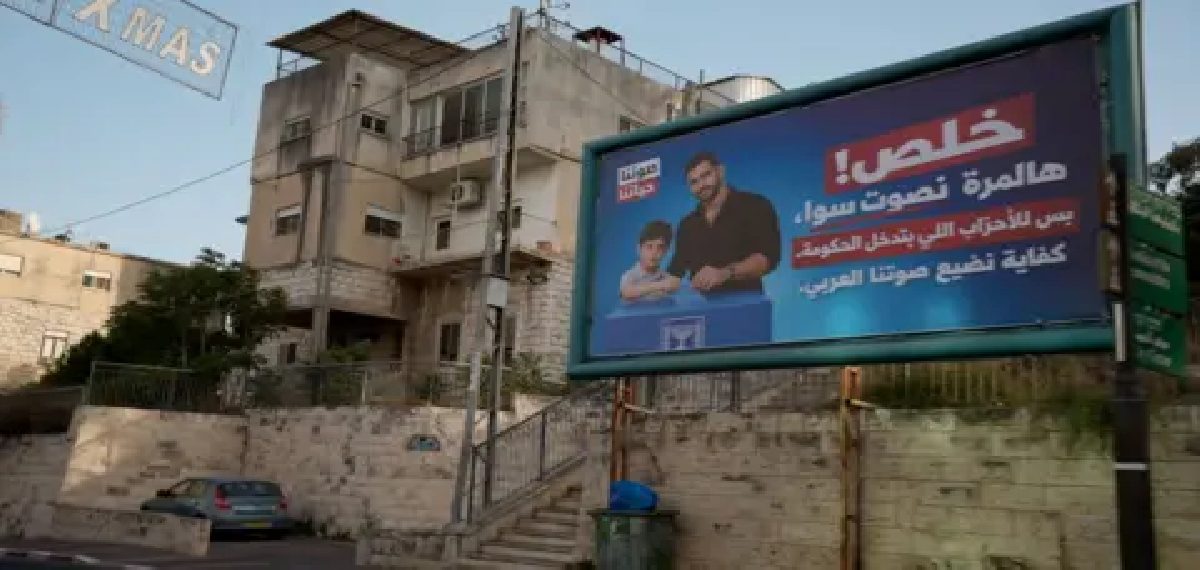
Some electioneering has deliberately deepened social divides. The far-right finance minister has vowed to “Judaise” predominantly Arab areas, comparing the plan to expanding settlements in the West Bank. Campaigns have also produced provocative billboards and AI-generated videos that seek to portray opposition figures as aligned with Palestinian causes — an effort the Netanyahu campaign uses to suggest a stark choice between “Right or Palestine.”
At Radio Nas in Nazareth, anchor Mohammed Magadli says Netanyahu’s approach seeks to delegitimise Arab parties. “He’s trying all the time to pull the legitimacy of the Arab parties — because they’re Arab, because they’re Palestinian,” Magadli says, arguing this pressure influences many Jewish parties’ attitudes toward cooperation.
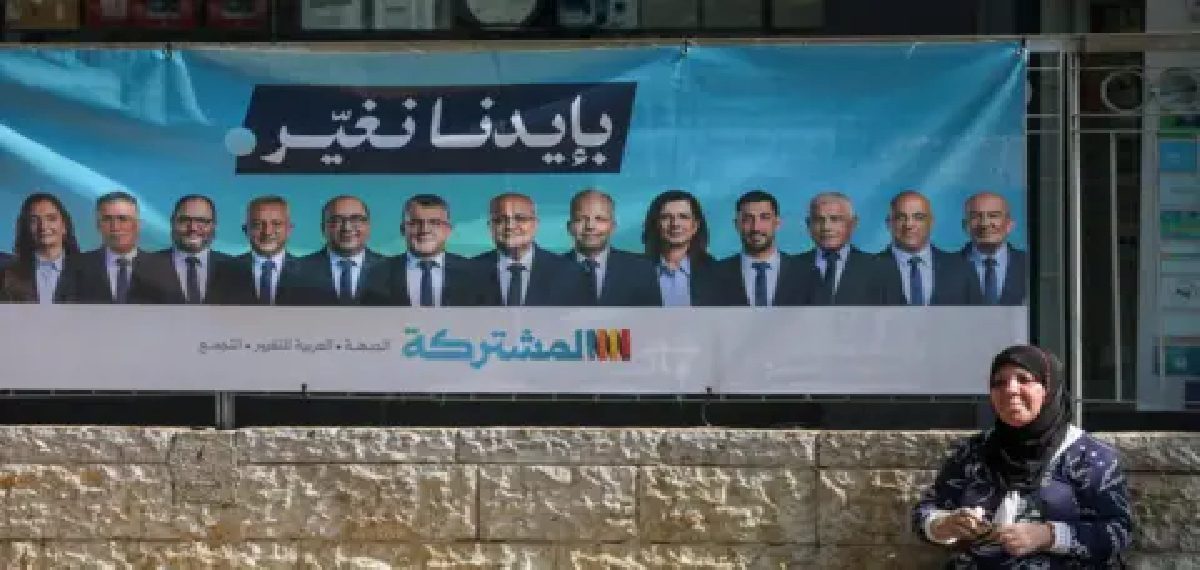
Recent polls indicate both major blocs could win roughly 50 seats each, while Arab-majority lists may secure 13–14 seats in total. Those seats are split between the Joint List — a coalition of secular and left-leaning parties advocating equal rights, an end to occupation and a two-state solution — and the United Arab List, an Islamist-aligned party led by Mansour Abbas.
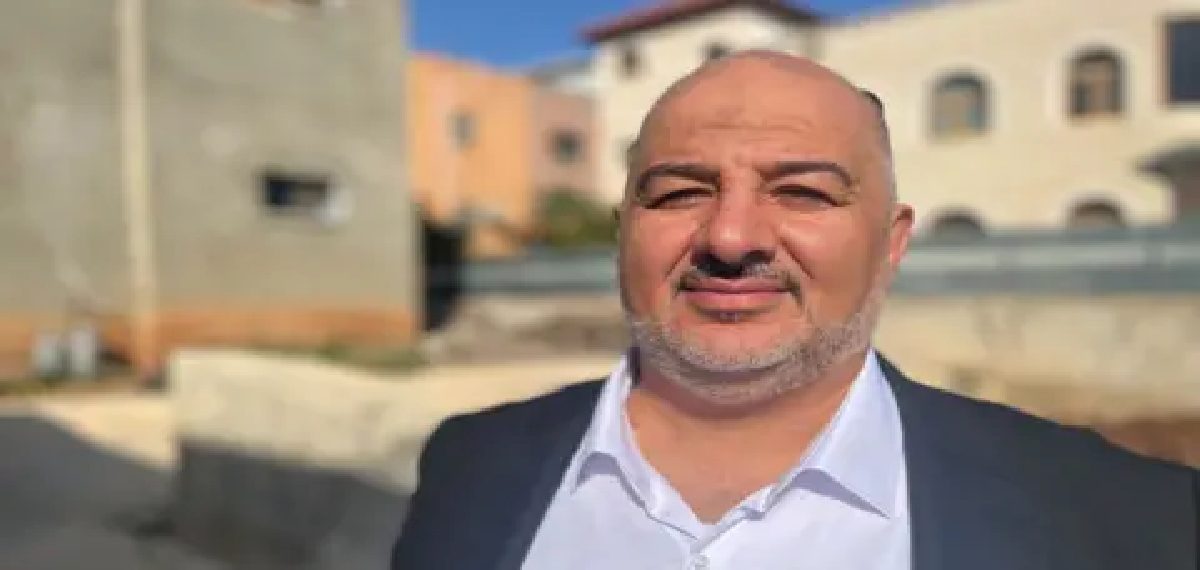
Abbas presents his party as pragmatic, focusing on domestic issues for Arab citizens rather than prioritising the broader Palestinian cause. Having previously joined a coalition in 2021, he now seeks a “position of influence” rather than mere representation; his slate surprised observers by placing a Jewish former police official, Yoav Segalovitz, second on the list.
The Joint List positions itself as an electoral safety net for opposition forces that could replace Netanyahu, offering support on key policies in return for influence and progress on issues affecting Arab communities.
Gang crime is a top concern for many Arab voters. A poll by the Israel Democracy Institute found that 53.5% of Arab citizens listed it as the single most important issue when choosing a party. Murders within Arab communities surged to a record high — about five times the number among Jewish Israelis last year — prompting accusations that authorities have failed to tackle the problem effectively.
In Jaffa, Ziad Samouni points to the spot where his son Hussein was shot dead last November. No arrests have been made. Samouni and others say low clearance rates fuel a sense of neglect. “As a father who’s lost a son, of course, I want this bloodshed to end,” he says, urging fellow Arab citizens to consider voting as a way to demand change.
This month Israel’s Supreme Court overturned decisions by the Central Elections Committee to disqualify the United Arab List, the Joint List and two individual candidates. The committee — seen as aligned with the governing coalition — had argued some candidates breached laws banning those who deny Israel’s existence as a Jewish state. Parties and representatives strongly denied those claims.
With voting days away, Nazareth’s streets show a mix of party flags and last-minute campaigning. For many Arab citizens, the election carries dual stakes: shaping who governs the country and influencing their own status, rights and security within it.