
06 Ekim 2026
parçalı bulutlu


US-led Bergen talks deepen NATO divisions as exclusion concerns rise, spotlighting alliance strains and diplomatic challenges.
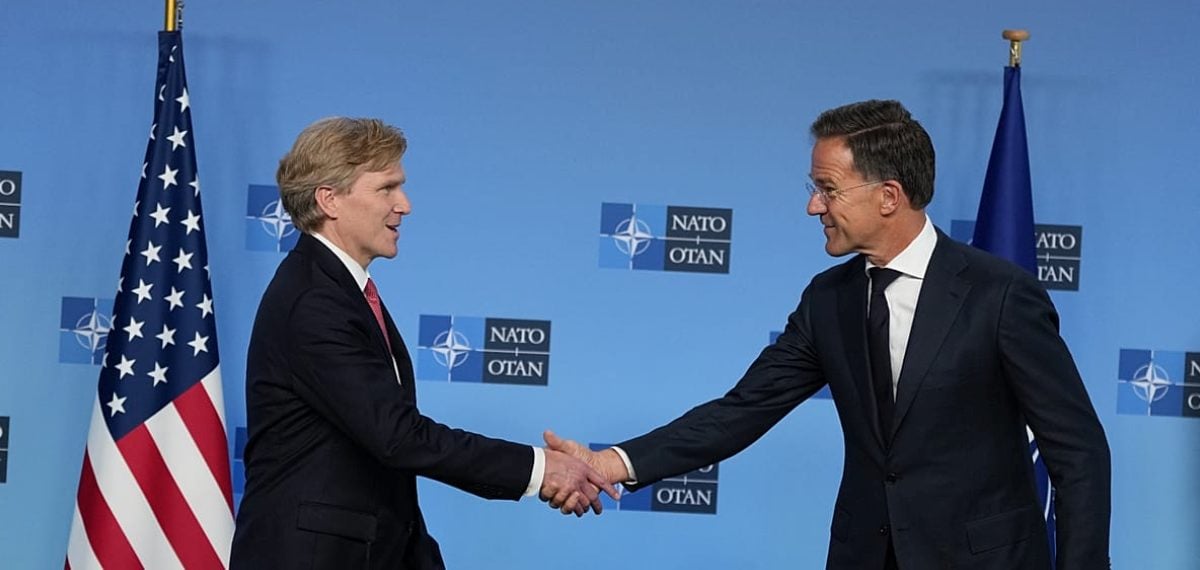
Talks convened by US Undersecretary of Defense Elbridge Colby with Sweden, Finland, Poland, Germany and the Netherlands have prompted concern within NATO over a potential split in the alliance, according to reporting on the meetings known as the Bergen Group.
The Bergen Group, named after its inaugural meeting in Norway last year, brings together the five European states without invitations extended to the UK, France and the Baltic states. Critics inside and outside NATO warn the format risks categorising members as preferred or sidelined and could reinforce US influence while Washington urges Europe to assume greater responsibility for conventional defence.
NATO officials sought to downplay the meetings, saying it is not unusual for smaller subsets of allies to convene. Supporters of the format argue smaller groups can advance ideas and produce documents such as non-papers, and that the Bergen countries were chosen because they provide complementary defence capabilities on land, air and sea.
Debate centres on NATO 3.0, a model described in reporting as shifting Europe toward leading conventional defence while the US scales back certain capabilities it traditionally makes available to the alliance, including bombers, submarines and personnel.
Concerns were voiced that subgrouping could create perceptions that the US would favour defending some allies over others. Fabrice Pothier of Rasmussen Global said the arrangement appears to reflect US selection of favourites and warned of the toxic effect on alliance cohesion.
The Baltic states’ absence is particularly striking given their high defence spending as a share of GDP and their position on NATO’s frontline with Russia. Reporting notes the region has faced persistent hybrid attacks including drone incursions, arson and sabotage, and recent incidents such as a temporary closure at Vilnius airport led to NATO jets being deployed in response to a suspected drone intrusion from Belarus.
Sources indicated that during a visit to NATO headquarters in Brussels, Elbridge Colby urged Baltic officials to adopt a less confrontational tone toward Russian aggression and cited renewed US efforts to end the war in Ukraine as a reason to temper rhetoric.
Lithuania reportedly invited Elbridge Colby to witness airspace violations firsthand, while Baltic diplomats defended their forward military posture and emphasised the cost of the shadow war. EU Defence Commissioner Andrius Kubilius called for stronger responses to hybrid attacks at a recent summit.
A Washington-based source described the exclusive meeting as mischief-making that actively divides the alliance. French officials had no response at time of publication.
The Bergen Group talks underline a contested debate within NATO over burden sharing and strategic direction, as a US-driven push for NATO 3.0 seeks to shift conventional defence responsibilities toward Europe while reducing certain US-provided capabilities. The exclusion of the UK, France and the Baltic states has amplified concerns that smaller formats could fragment alliance unity and create perceptions of preferential treatment by the United States. At the same time, proponents view focused gatherings as vehicles to develop ideas and coordinate among states with complementary military capacities.