29 Ekim 2026
parçalı bulutlu


Analysis of Israel’s close election: key stakes, rival blocs, and likely scenarios shaping the country’s political future.
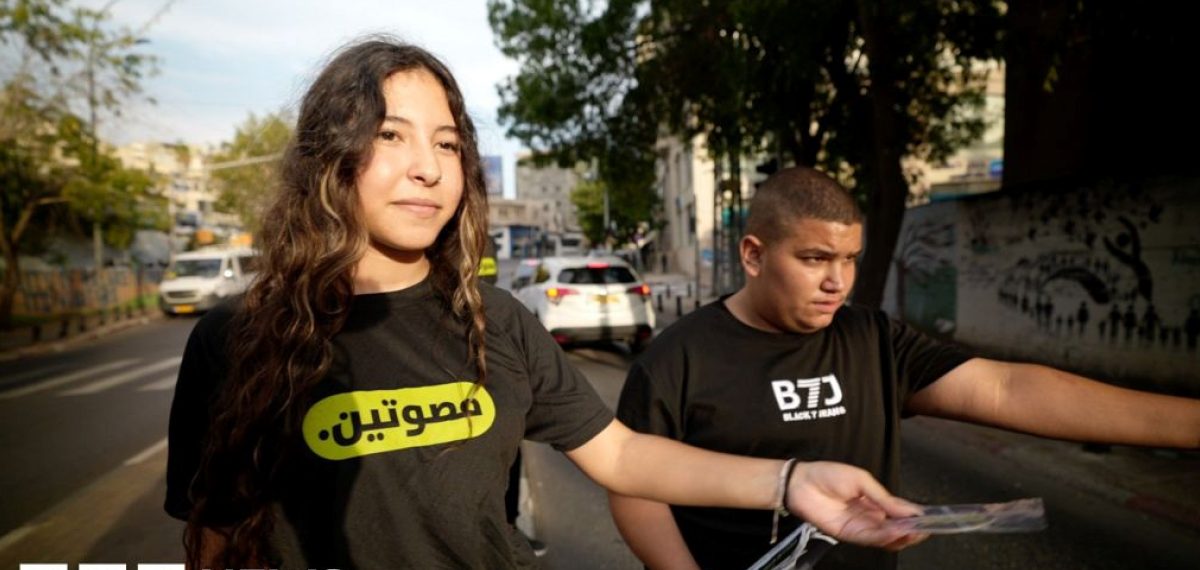
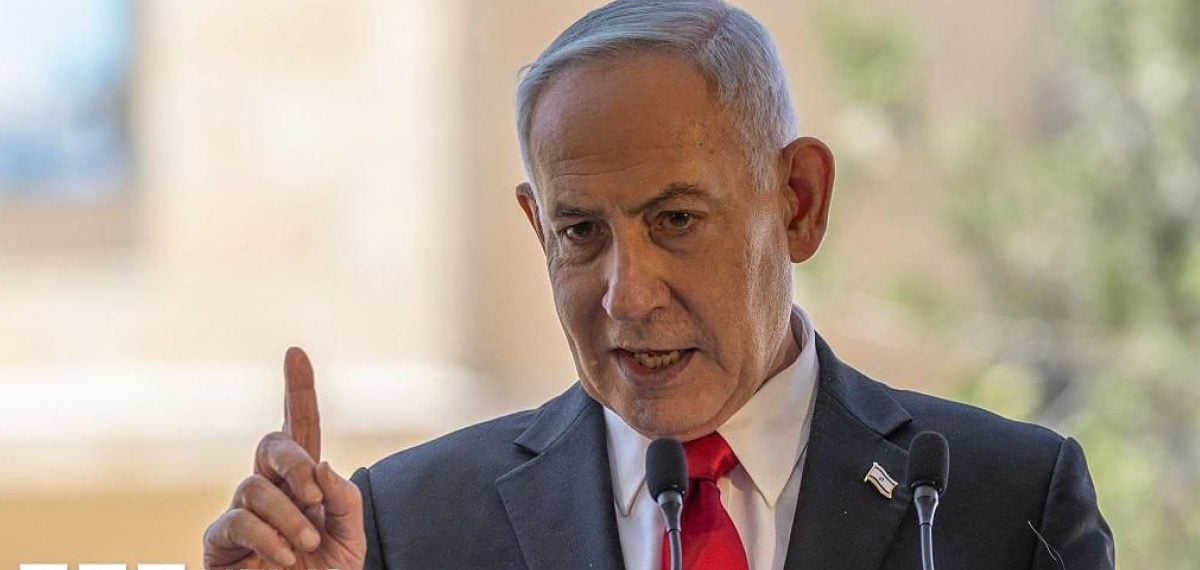
Israelis are voting in what many consider one of the most consequential elections in recent memory. Tens of thousands have returned from abroad to cast ballots, and roughly half a million first-time voters are participating — a sign of the high public engagement and the election’s perceived gravity.
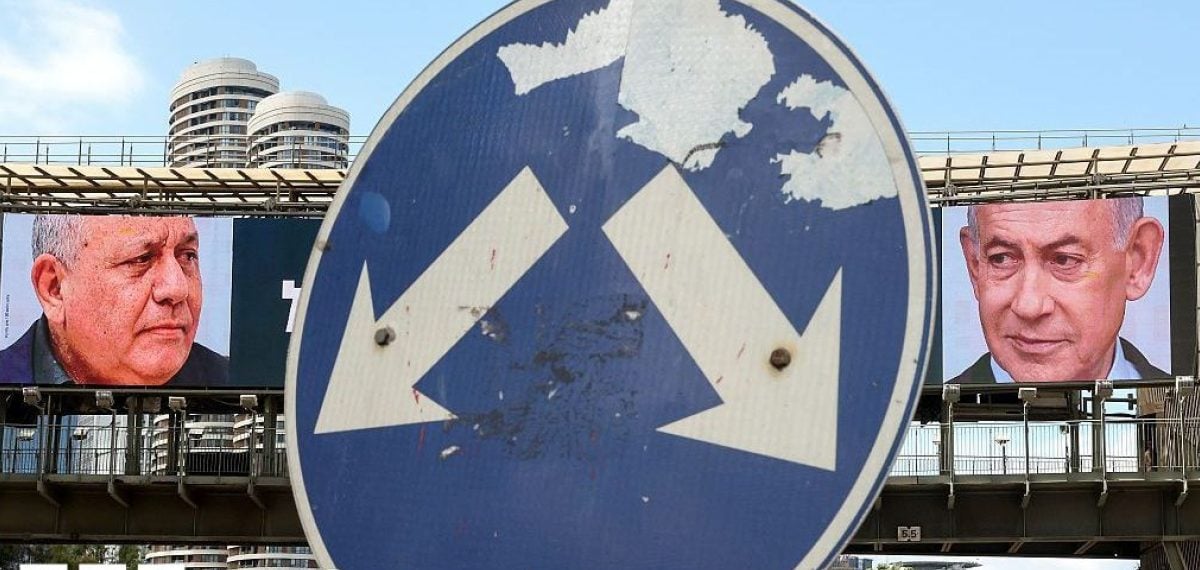
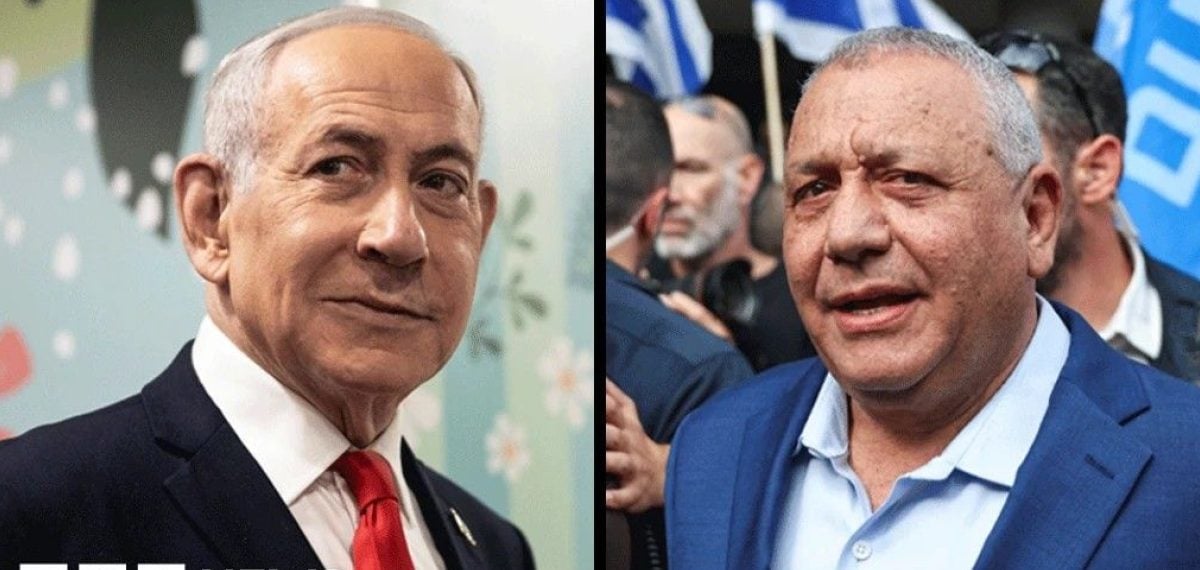
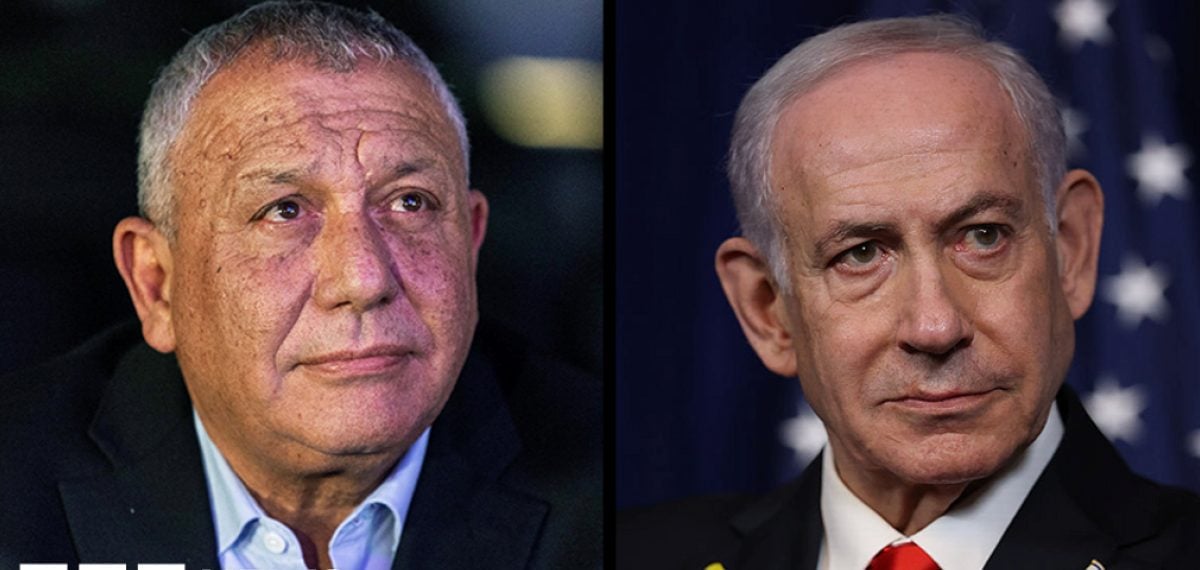
Recent polls indicate a neck-and-neck contest between incumbent Benjamin Netanyahu and former military chief Gadi Eisenkot, yet neither leader’s allied parties appear likely to secure the 61-seat parliamentary majority needed to form a stable government. That raises the prospect of prolonged coalition bargaining or even further elections.
The race is structured by Israel’s proportional representation system, which makes coalition-building inevitable and often unpredictable. Eisenkot heads the newly formed Yashar Party and fronts the so-called “change bloc,” a coalition united primarily by its desire to remove Netanyahu rather than by ideological uniformity. Notable figures aligned with this bloc include ex-prime minister Naftali Bennett, Avigdor Lieberman and the left-leaning former general Yair Golan.
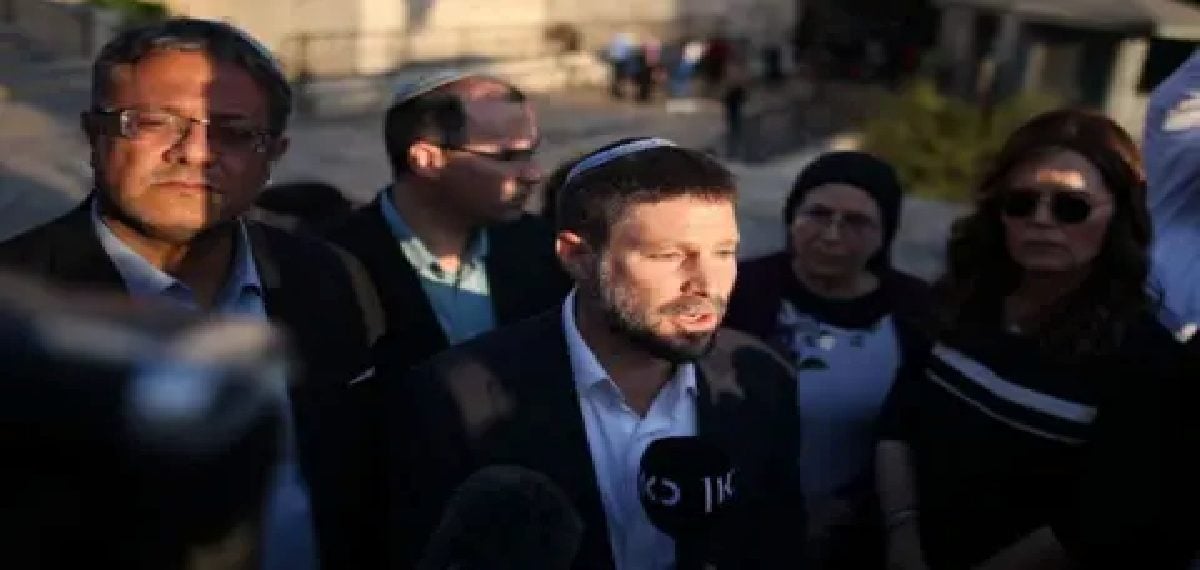
Netanyahu’s path back to premiership depends on rekindling alliances with far-right and ultra-Orthodox parties that formed the backbone of his previous, notably right-wing coalition. Prominent far-right leaders such as Itamar Ben Gvir and Bezalel Smotrich remain influential voices in that corner of politics.
Arab parties, representing roughly one-fifth of Israel’s population, could theoretically play a decisive role in coalition arithmetic. However, most major Jewish parties have publicly ruled out cooperation with Arab-led lists, leaving their potential kingmaker role uncertain.
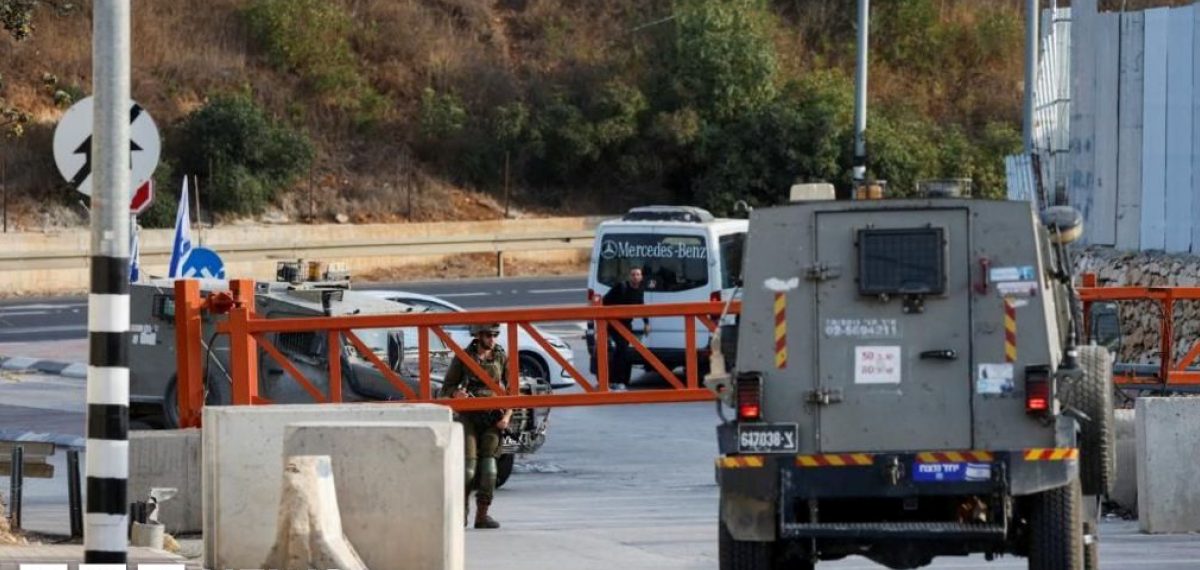
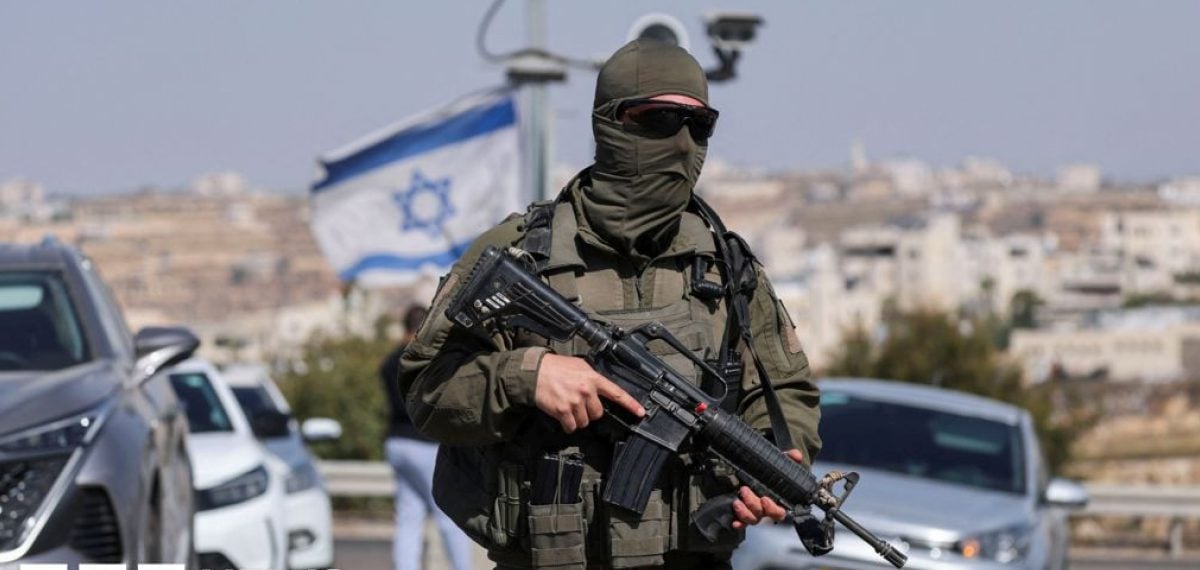
Security has dominated the campaign, following the catastrophic 7 October Hamas-led attacks that killed nearly 1,200 people and saw hundreds taken hostage. The opposition has faulted Netanyahu for the intelligence and security failures surrounding that day and pressed for an independent inquiry — a move Netanyahu has resisted, warning it would be biased.
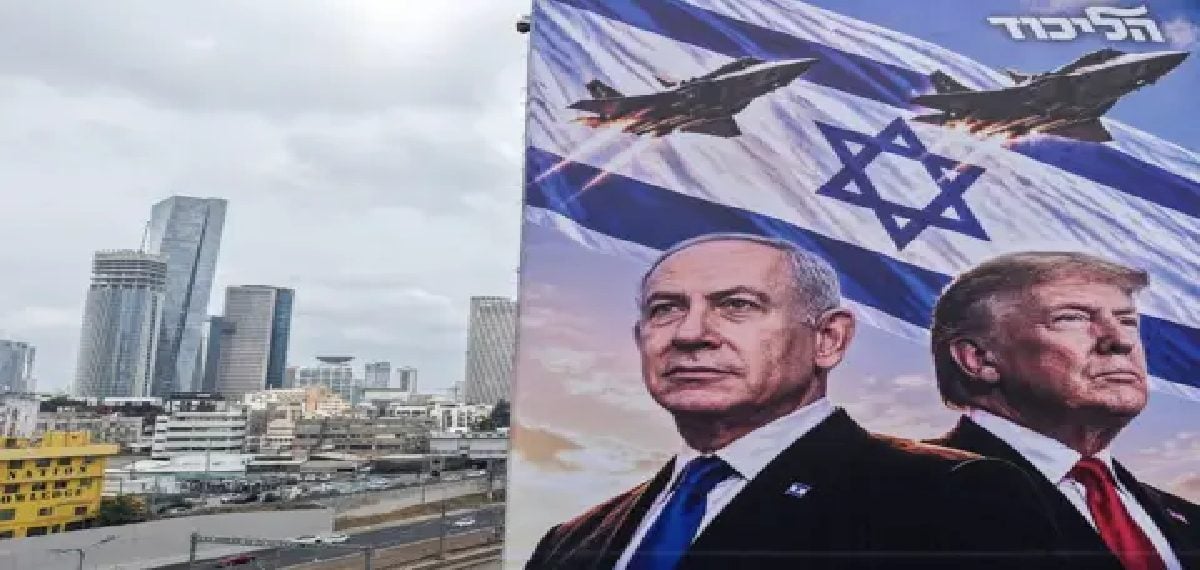
Netanyahu has campaigned heavily on his security credentials, emphasizing past strategic victories and close ties with US leadership. He has also faced controversy during the final stretch — from disputed reports about advocating strikes on Iran to sharing an AI-generated image suggesting nuclear threat scenarios — which opponents described as alarmist.
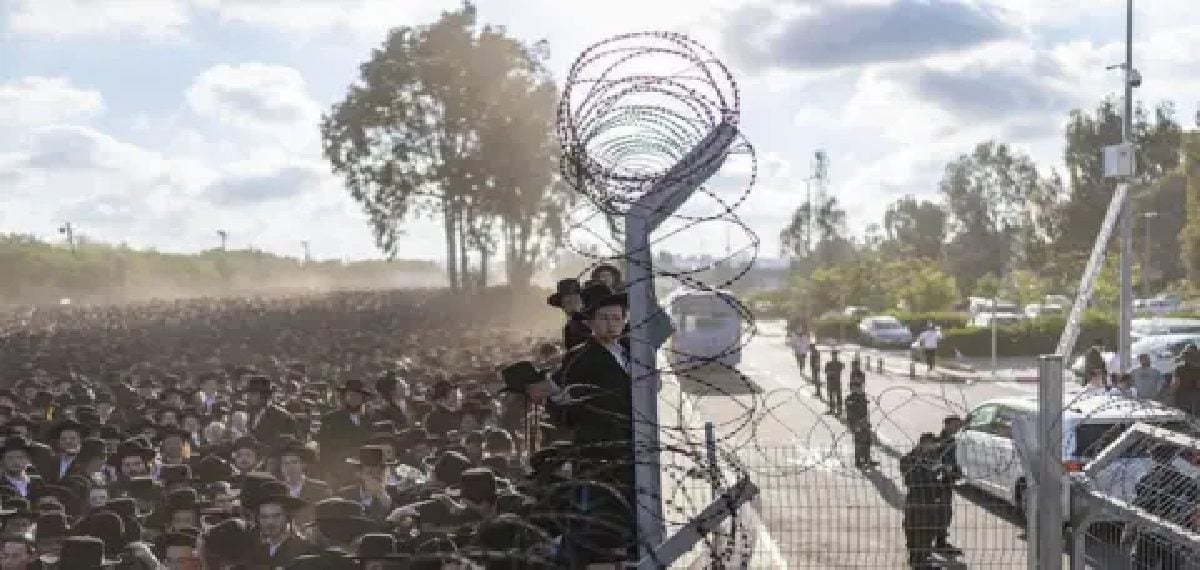
Beyond security, debates over democratic institutions and military conscription have been central. Netanyahu faces ongoing corruption trials and has pursued judicial reforms that spurred large protests before October. Another polarising issue is the exemption of ultra-Orthodox men from mandatory military service — a Supreme Court ruling recommended broader conscription that the government has not enforced, creating deep societal tensions.
Eisenkot’s platform aligns with Netanyahu on several security goals, including ending Hamas’s control of Gaza within an 18-month horizon through a US-led plan or military action if necessary. He supports Israeli settlement expansion in the occupied West Bank while advocating tougher measures against extremist settler violence and proposing arrangements that would leave Palestinians under robust Israeli security oversight.
The two-state solution has largely faded from mainstream debate, and while some suggest Arab parties might tacitly sustain a minority government led by Eisenkot, key potential allies like Lieberman have rejected such informal pacts.
Exit polls will be released at 22:00 local time and will offer an early snapshot, but the true balance of power may remain unclear for days. Votes cast by soldiers and reservists are often counted later and could shift tallies in favor of right-leaning parties.
Several scenarios are possible: a coalition led by either major contender, a surprise leader emerging through negotiation, or political deadlock. If no bloc secures a majority and a workable minority government cannot be formed, Israel could face another election — repeating the cycle of instability seen between 2019 and 2022. Throughout any interim period, Netanyahu would remain as caretaker prime minister.
Key takeaways: