12 Ekim 2026
parçalı bulutlu


Mass student protests across France spotlight poor school conditions and clashes with police, raising urgent calls for reform and accountability.
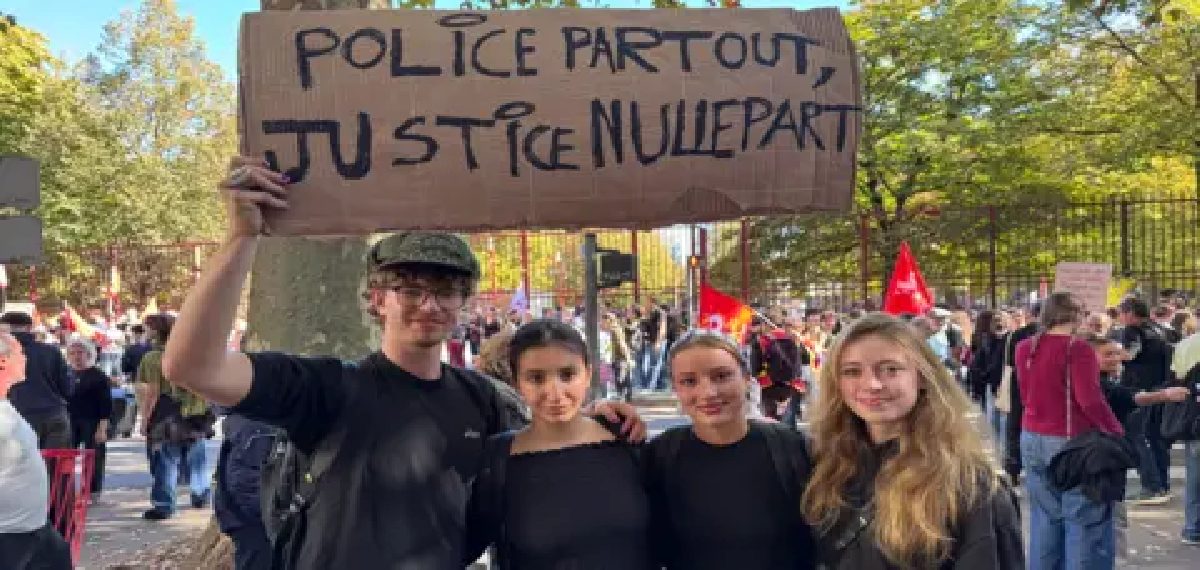
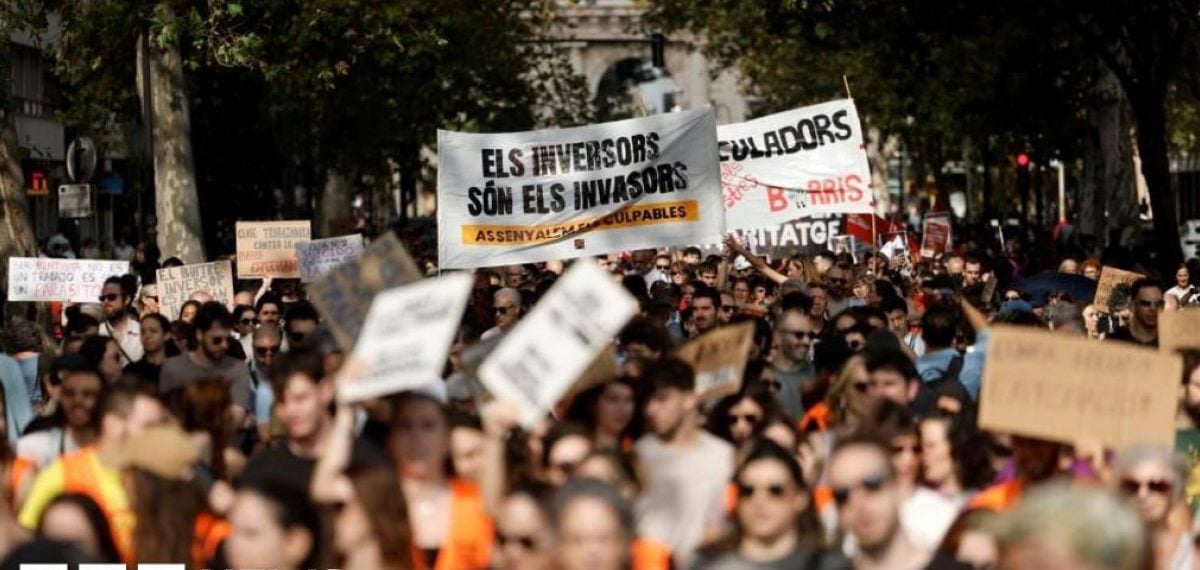
Hundreds of thousands of students have mobilized across France in late-season demonstrations over severe staff shortages and dilapidated lycée facilities, with major gatherings reported in Lille, Paris and other cities and clashes between pupils and police resulting in widespread arrests and injuries.
The protests began at the Lycée Antoine-de-Saint-Exupéry in the suburb of Créteil and spread after social media circulated videos showing rats in corridors and damaged infrastructure such as broken toilets, holes in walls and mouldy ceilings. Students complained of overcrowded canteens, extreme temperatures in classrooms and very long school days interrupted by hours-long gaps due to poor planning and staff shortages.
Teachers have joined the students, showing timetables that illustrate days starting at 08:00 and finishing as late as 18:00 with classes often exceeding 35 pupils, which educators say makes it impossible to give each child adequate attention. The government announced a promise of 3,000 extra supply teachers and signalled a plan to address the crisis by the end of October, alongside consideration of resources in next year’s constrained budget.
Despite the concessions, demonstrations continued at barricaded school gates with pupils and teachers expressing a broader political discontent and fears about the future. Students and teachers pointed to systemic issues beyond immediate repairs, framing the unrest as a manifestation of youth anger over feeling unheard and abandoned.
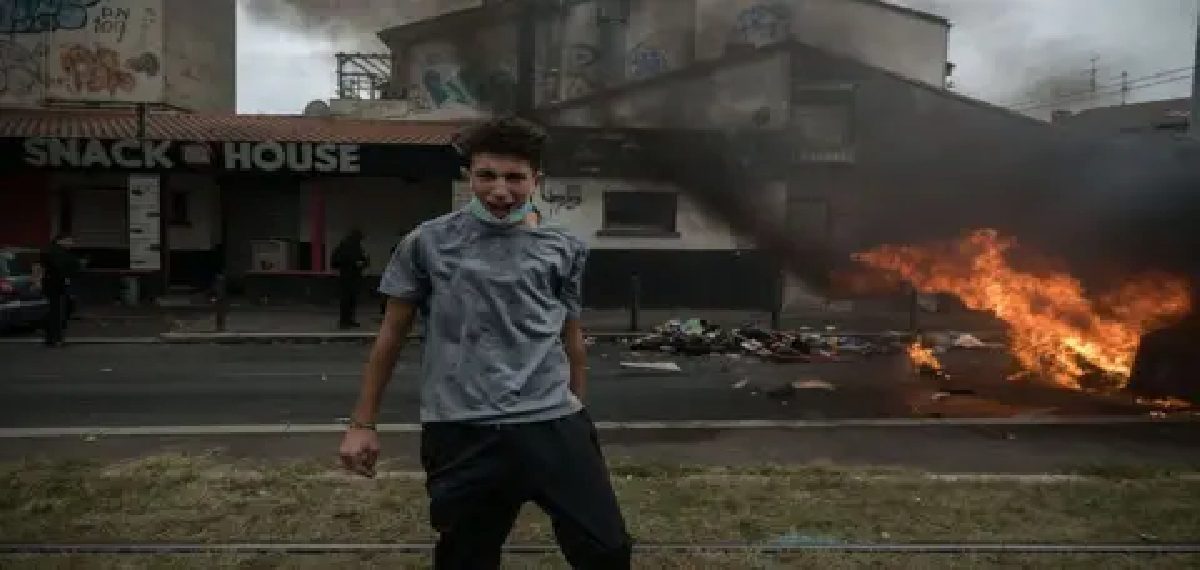
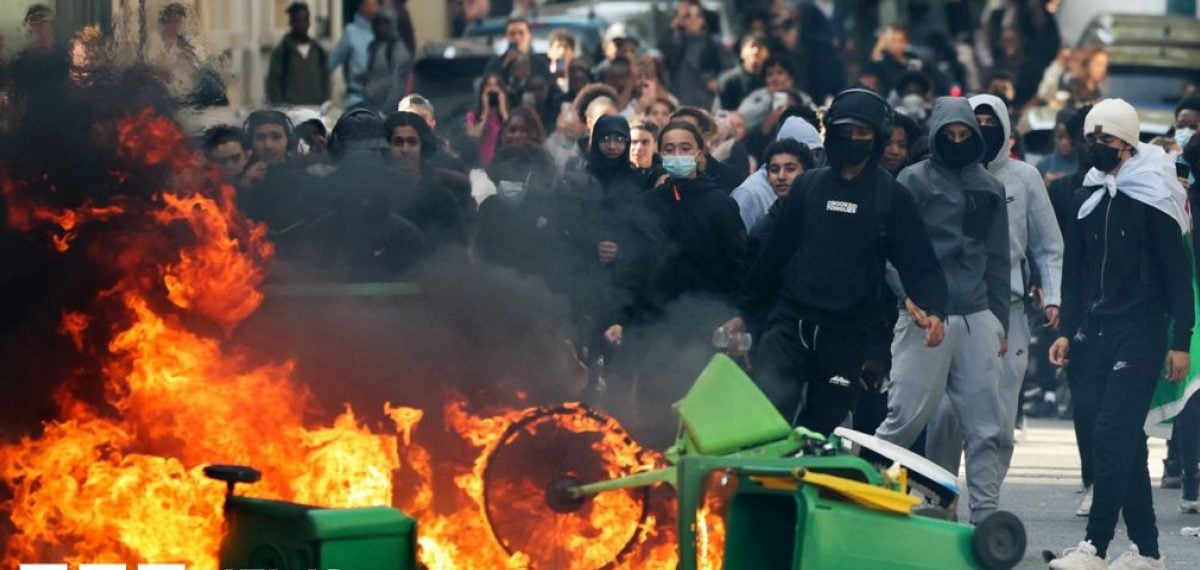
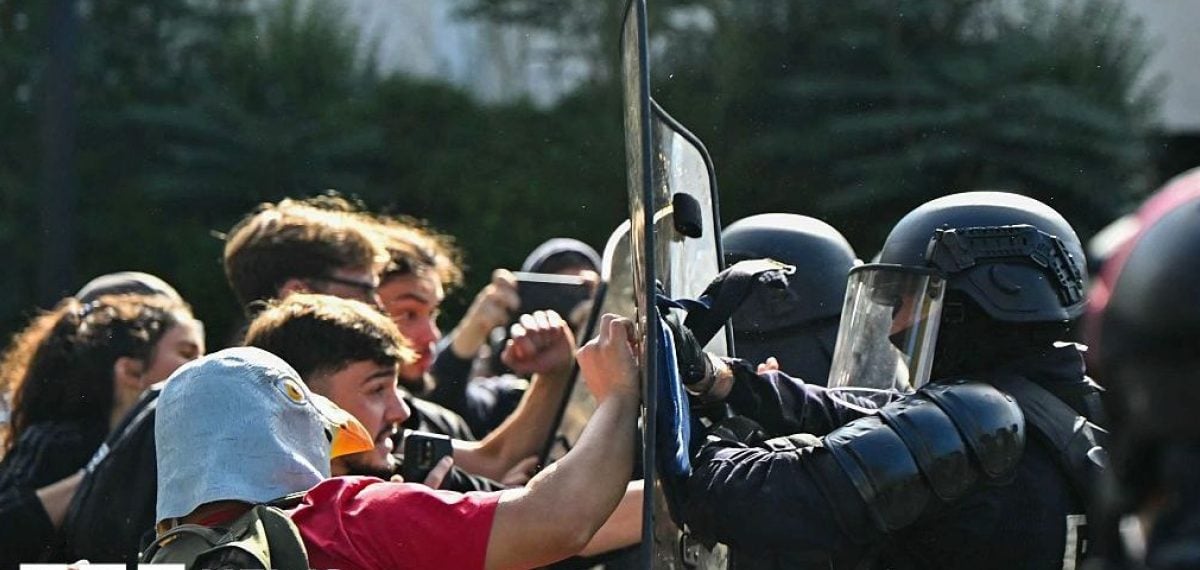
Police response to the unrest has been contentious, with nearly 7,000 detentions reported and over 700 officers injured in recent weeks according to the interior ministry. Rights groups and unions accused police of heavy-handed tactics against minors, including baton use, tear gas and non-lethal crowd control weapons. At least 200 pupils and dozens of teachers were reported injured, and a 15-year-old boy in Lens suffered the amputation of a hand during a confrontation, with differing accounts of how the injury occurred.
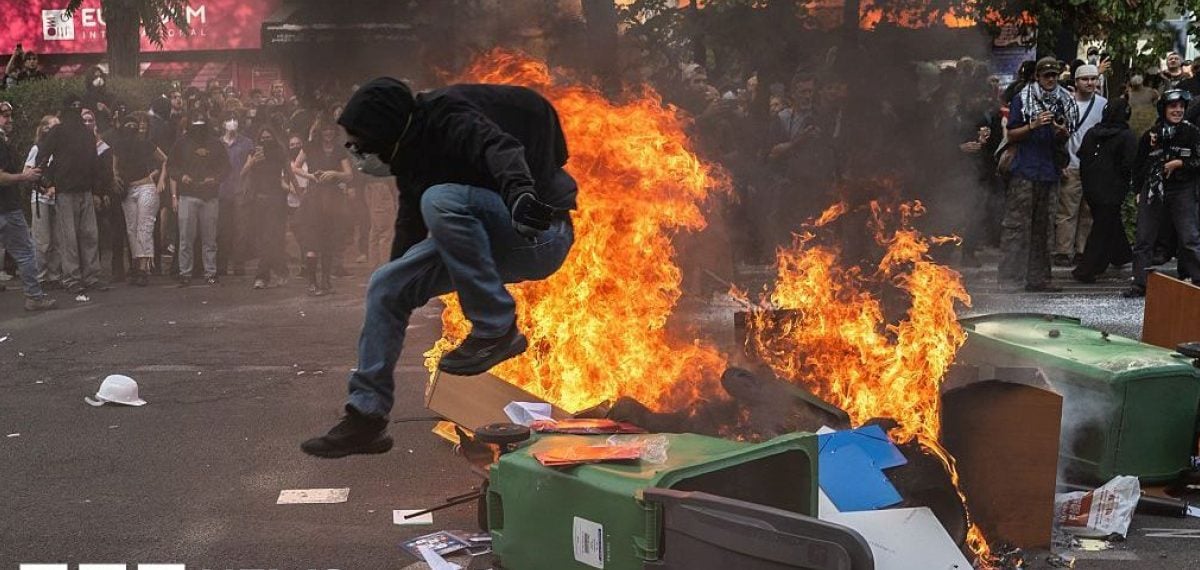
Authorities subsequently banned stun grenades at school protests. Police chiefs and unions warned that agitators unconnected to the schools were escalating violence, complicating efforts to maintain order and prepare for national elections. Political figures from across the spectrum have reacted, with some seeking to capitalise on the unrest while others condemned the damage to school property.
The education crisis has fed into wider political tensions, with polling referenced that under-30s expressed worry about the state of the country. Prominent politicians associated with both the hard right and hard left have appeared in the public debate, further polarizing discourse as the presidential contest approaches. Observers noted that wholesale reform of the education system would require substantial and sustained investment and that short-term measures face logistical and fiscal constraints.
The protests reflect a convergence of immediate infrastructure failures and deeper political disillusionment among France’s youth, turning local school grievances into a national crisis that challenges government credibility. Government pledges of temporary staffing increases provide short-term relief but do not resolve structural underinvestment, overcrowding and planning issues that fuel the unrest. The involvement of teachers and the presence of external agitators complicate both negotiation and enforcement, while political actors framing the protests for electoral advantage risk further polarizing public opinion. Absent rapid, well-resourced reforms, the protests are likely to remain a potent force shaping public debate ahead of the presidential election.