21 Temmuz 2026
açık


Sonam Wangchuk resumes hunger strike in Delhi as protesters demand the education minister’s resignation, escalating nationwide education reform tensions.
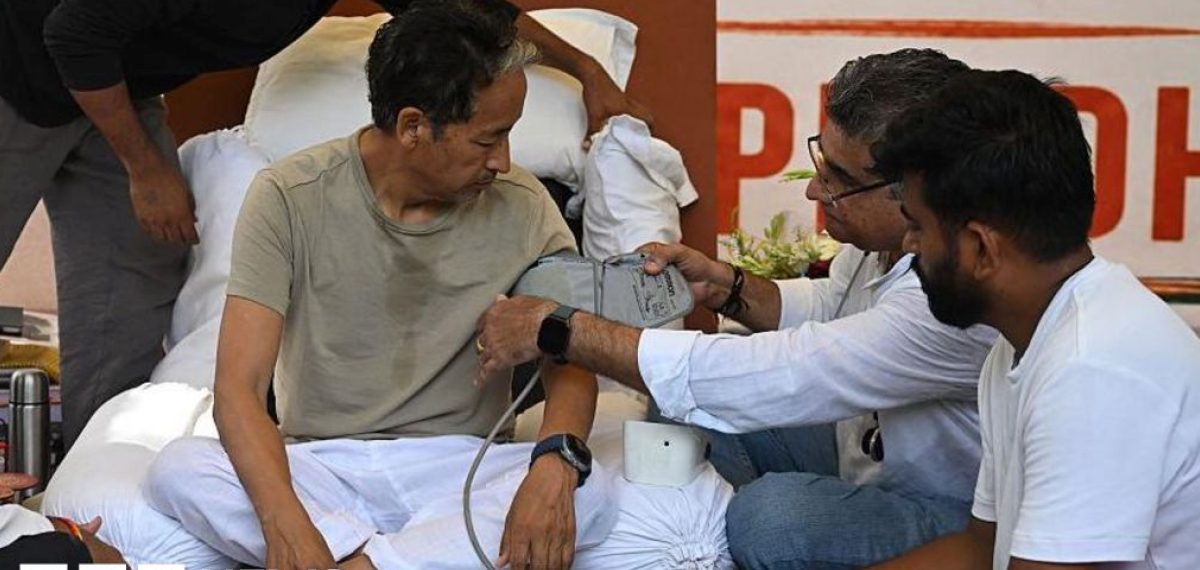
Indian activist and educationist Sonam Wangchuk, 59, has been fasting for 20 days in Delhi’s Jantar Mantar, consuming only salt and water, and has lost more than 9kg while calling for Education Minister Dharmendra Pradhan’s resignation after a medical entrance exam was cancelled following a paper leak.
Wangchuk told the assembled crowd he felt physically weak but resolute, urging supporters to join a peaceful march to parliament organised by the online satirical movement Cockroach Janta Party (CJP). A short video shared by CJP showed him speaking in a frail voice from the dais.
The protesters hold the minister morally responsible for repeated exam leaks; Pradhan has dismissed CJP as “the B-team of disruptive elements” and the central government has not yet engaged directly with the demonstrators.
Prominent figures have visited the protest site: Aam Aadmi Party leader Arvind Kejriwal met Wangchuk and appealed to the government to listen to students and the activist, suggesting Pradhan be replaced by Wangchuk. Omar Abdullah of the National Conference urged compassion and noted the absence of government dialogue compared with past hunger-strike engagements.
The Delhi High Court asked the government to intervene and ordered urgent monitoring of Wangchuk’s health; media reported the federal health ministry directed three government hospitals to examine him twice daily and provide necessary treatment if needed.
The protest highlights growing public frustration with high-stakes exam integrity and the political fallout when systemic failures affect young aspirants’ careers. If the movement sustains visibility, it could push for administrative reforms in exam security, greater transparency from education authorities, and renewed debate about accountability mechanisms for ministers overseeing national assessments.
Politically, the episode tests the government’s willingness to engage with symbolic civil actions; sustained inaction risks bolstering opposition narratives and expanding public sympathy beyond student circles, while a managed response could defuse tensions but must address the underlying procedural gaps.