16 Eylül 2026
parçalı bulutlu


Nauru launches grassroots football program to develop local talent and create the nation’s first-ever national team.

What happened, where, who said it, when and the main outcome: Volunteers led by British former academy player Charlie Pomroy have begun a long-term project to develop football in Nauru, aiming to create the island’s first senior international side; the initiative includes ball distribution, coaching camps and grassroots programmes and Pomroy plans a training camp in December to start structured coaching for players and coaches.
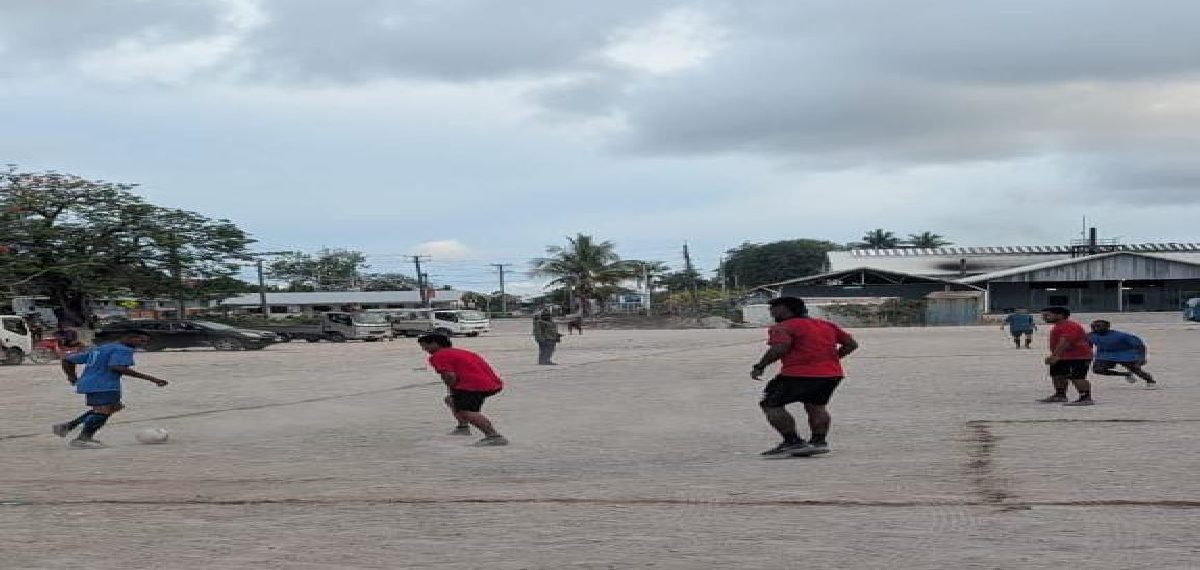
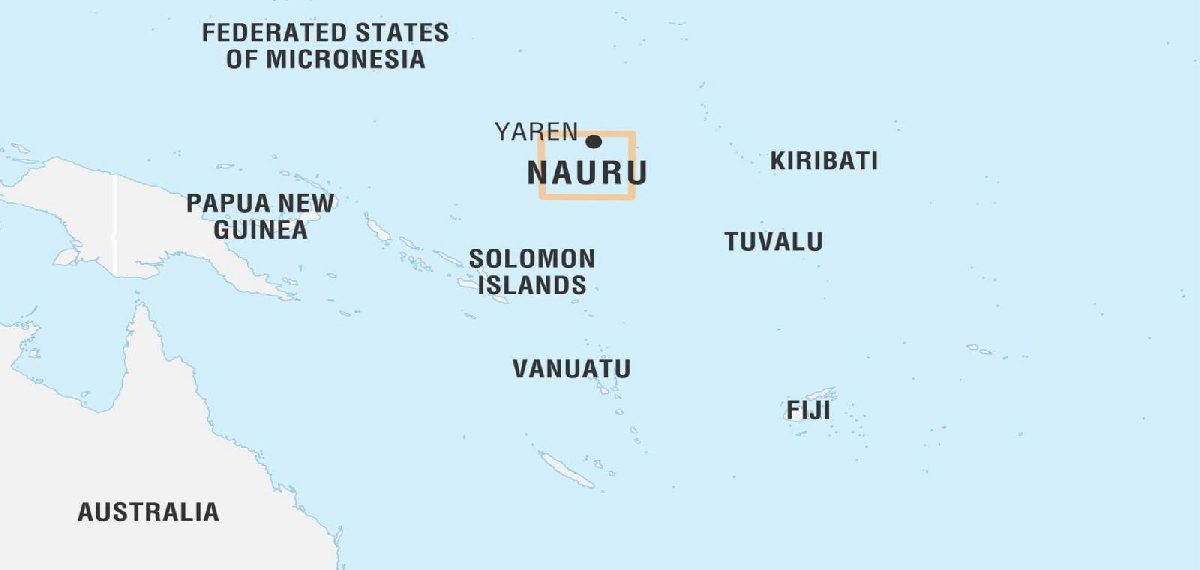
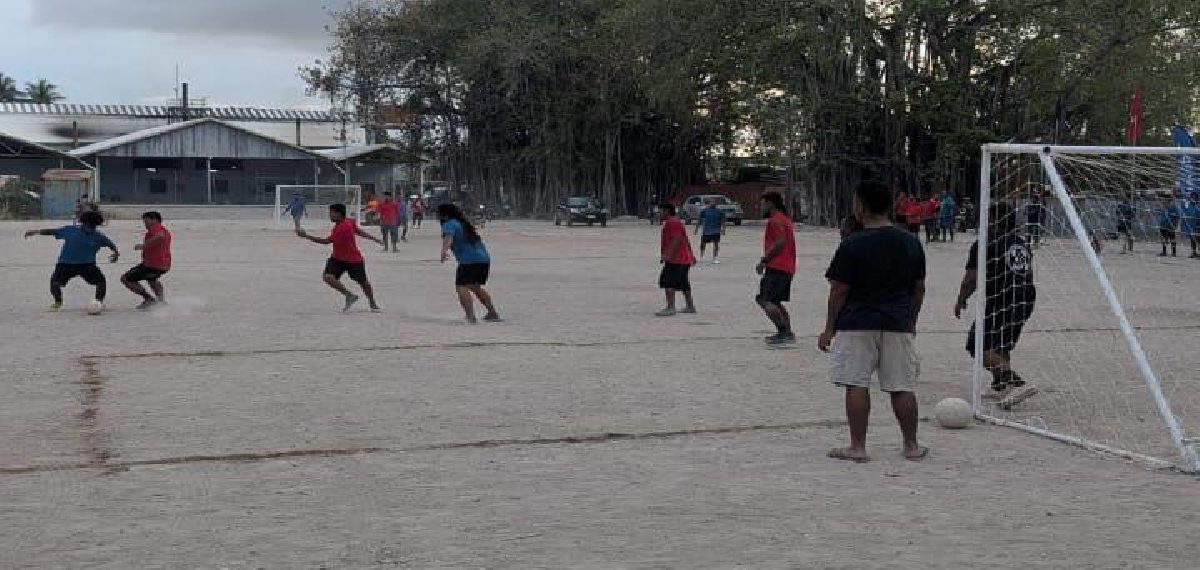
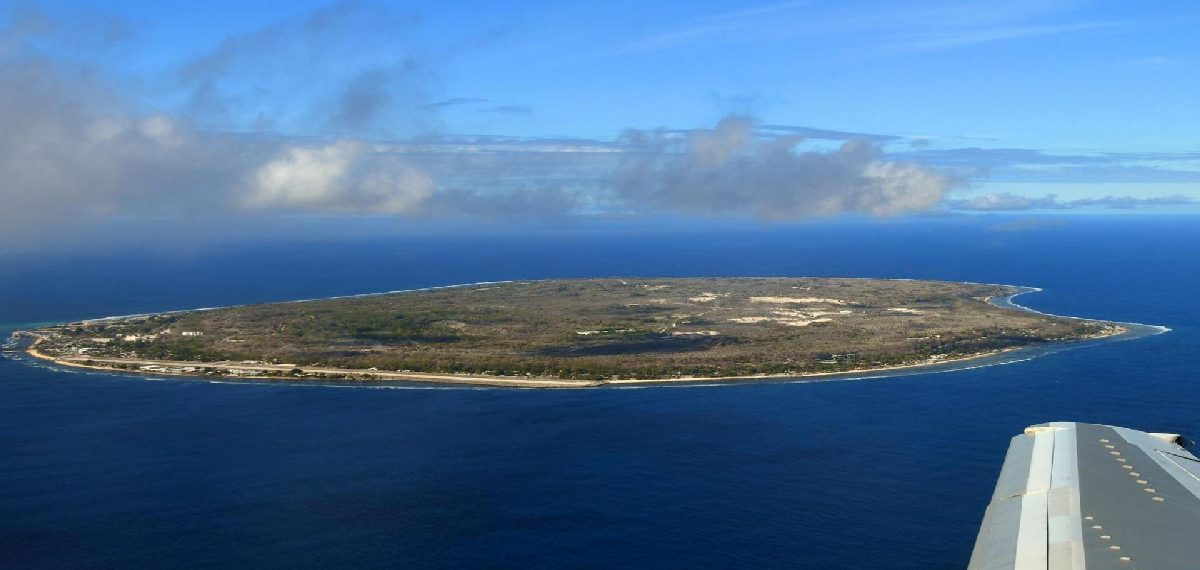
Nauru currently has almost no football infrastructure: the 21-square-kilometre Pacific island has a single hard-sand pitch and has never played an official senior international match. The Nauru Soccer Federation and a team of eight volunteers are working with local churches and the island’s 11 schools to give every child aged four to 14 a ball, delivering them by plane in batches of 200 to manage distribution and avoid waste.
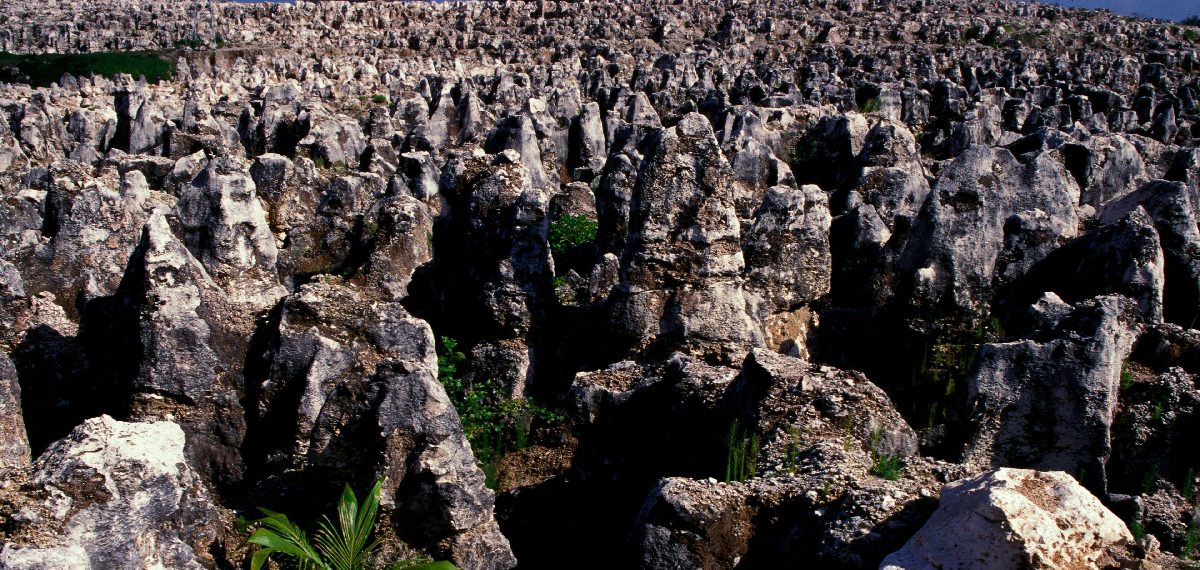
The island’s difficult physical and social conditions shape the effort. Decades of phosphate mining left much of the interior uninhabitable and the population of roughly 12,000 clustered along the coast. Nauru imports more than 90% of its food and faces high obesity and diabetes rates, while Aussie rules, athletics and weightlifting remain the most popular sports.
Past attempts at introducing football included representative matches in 1994 and 2014 and a planned fixture involving former Premier League striker Dave Kitson that was canceled for financial reasons. The current group’s approach focuses on building a sustainable football culture rather than staging one-off games, with the stated aim of creating a pathway that could produce a first senior team comprised of players who came through local youth programmes.
Pomroy, who previously established football projects in Cambodia and India, says the programme will set up year-round coaching and coach education when he arrives for a December camp. Volunteer Tyrone Deiye is exploring use of family land to create additional playing surfaces beyond the island’s sole dusty pitch, and indoor options are also being considered to expand usable space.
The project seeks to establish a grassroots ecosystem: volunteers are distributing balls, working with schools and churches, arranging coaching camps and pursuing modest infrastructure solutions. The stated short-term outputs are ball deliveries to children, coaching programmes beginning with a December camp, and local efforts to create more pitches. The longer-term stated aim is to develop a cohort of youth players who could form Nauru’s first senior international team.
Organisers underline the challenges: limited land due to private ownership and phosphate-mined terrain, reliance on fundraising while volunteers balance full-time jobs across time zones, and intermittent communications on the island during storms. Local reception is reported as enthusiastic but cautious given historical unmet promises.