26 Ağustos 2026
açık


London judge dismisses unlawful information-gathering claims against Associated Newspapers, citing insufficient evidence in the high-profile case.
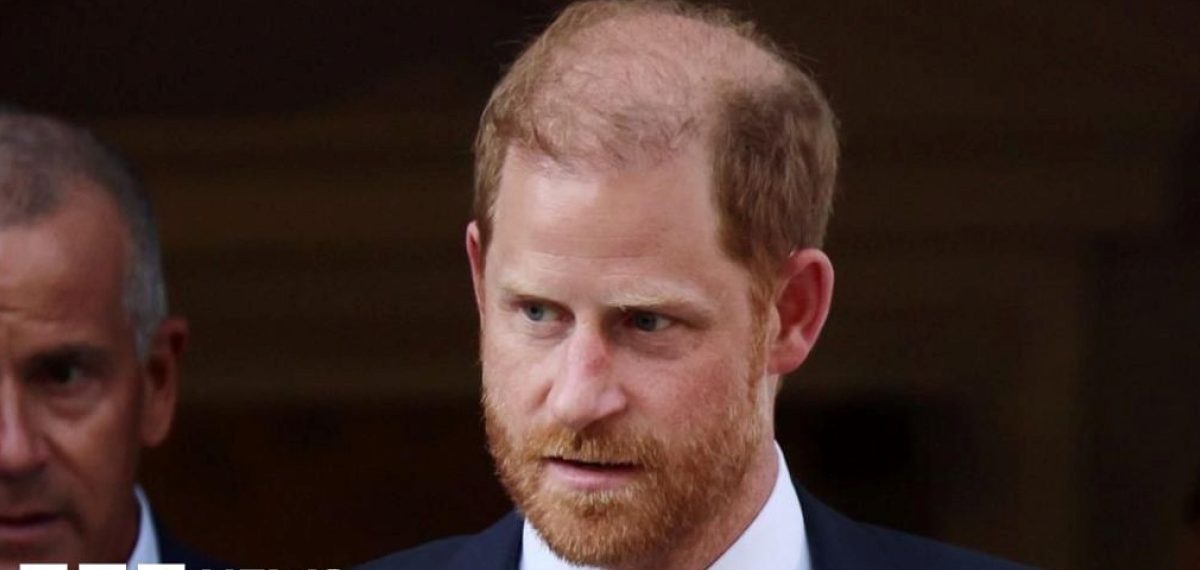
What happened? In London, Mr Justice Nicklin ruled against claims that Associated Newspapers engaged in unlawful information gathering, a decision announced this week that dismissed allegations brought by the Duke of Sussex and other claimants.
Details of the ruling The judge found the claimants did not prove their case against the publisher of the Daily Mail and Mail on Sunday. Associated Newspapers’ denial of wrongdoing was upheld, and the defence was described as vindicated by the court.
Mr Justice Nicklin concluded the evidence presented by the group was insufficient to establish systematic unlawful information gathering. He also questioned the reliability of certain evidence obtained by campaigner Graham Johnson, who had paid private investigators for documents and statements later relied on by claimants.
The judge noted conflicting statements from investigator Gavin Burrows, one asserting widespread unlawful practices for Mail titles and another denying such conduct; the contradictory accounts undermined the evidence.
Case background Prince Harry has been involved in legal actions stemming from phone-hacking revelations first uncovered in 2007 and expanded by a 2009 Guardian investigation. Those earlier inquiries led to the closure of the News of the World and criminal convictions of individuals including private investigator Glenn Mulcaire and Royal correspondent Clive Goodman.
Subsequent civil claims against News Group and Mirror Group resulted in large settlements and apologies, and established that some newspapers had employed unlawful information gathering techniques on a wide scale.
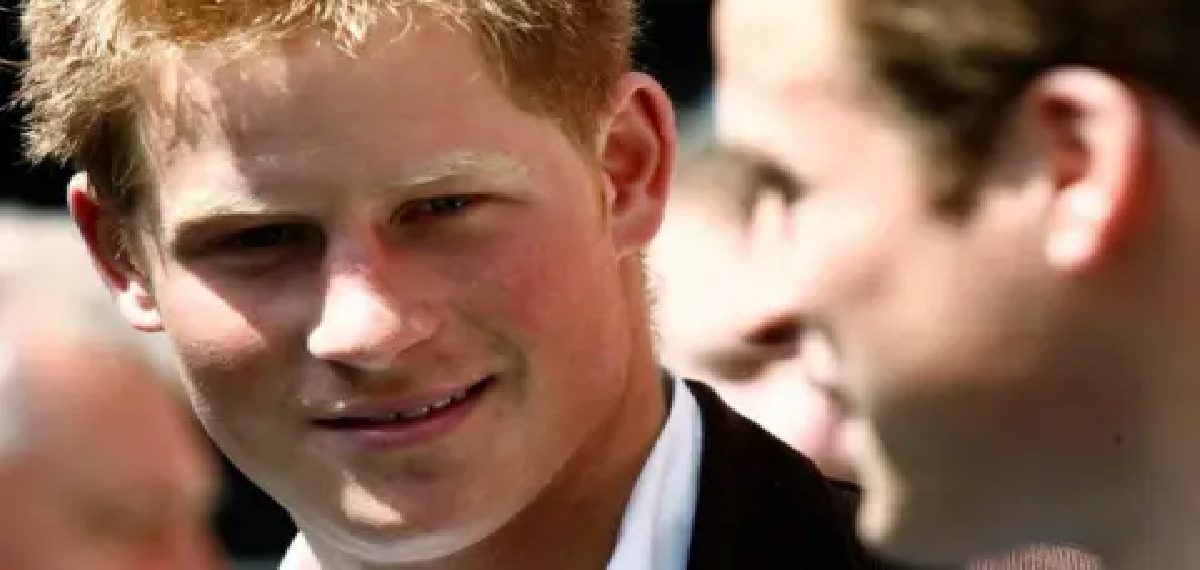
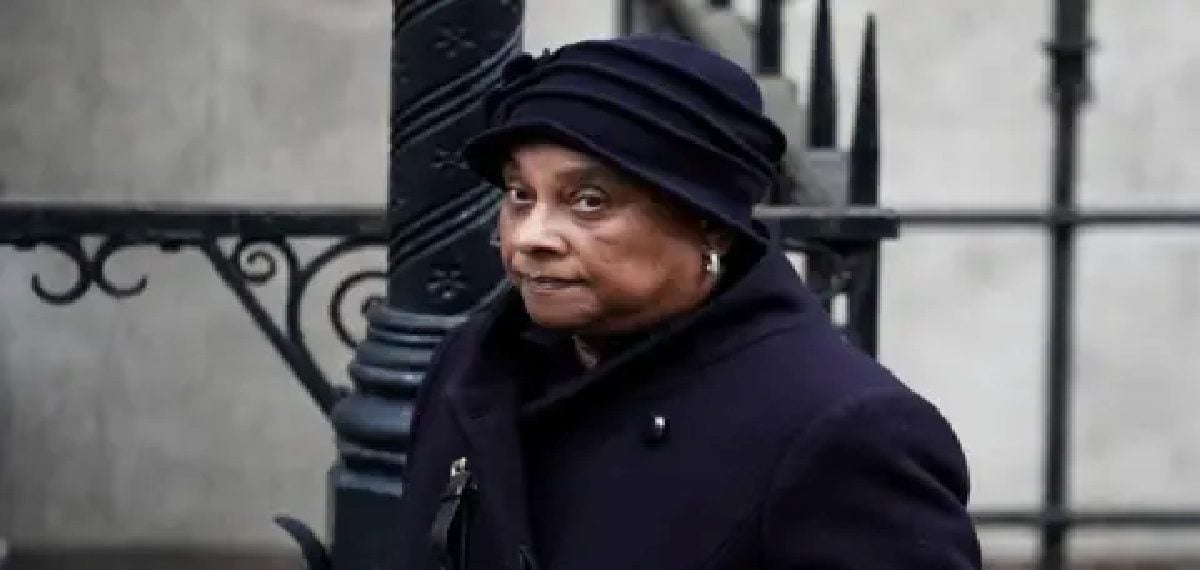
Parties and claims The current case included high-profile claimants such as Prince Harry, Baroness Doreen Lawrence, Elizabeth Hurley, Sadie Frost, Sir Elton John and David Furnish, and others who previously pursued actions against other publishers.
Prince Harry gave evidence in court during the proceedings, and Baroness Lawrence joined the claim after being approached by the prince and his legal team, according to her account. The Mail’s editor Paul Dacre publicly questioned her reasons for joining the claim.
Legal significance and consequences The judge applied a stricter standard than in previous cases, requiring claimants to demonstrate that each contested story had been obtained unlawfully rather than relying on generic evidence of journalistic propensity to break rules. This higher bar made the claim harder to win.
Law firms watching the trial had been assessing whether to pursue further claims against Associated Newspapers. It remains unclear whether additional actions will proceed in light of this ruling.
The ruling highlights challenges in proving large-scale unlawful information gathering when evidence is fragmentary or contradicted, and may influence the future course of related litigation.