21 Temmuz 2026
açık


Severe monsoon floods in Bangladesh kill over 50, displace 1 million+, and devastate communities—urgent relief and recovery efforts underway.

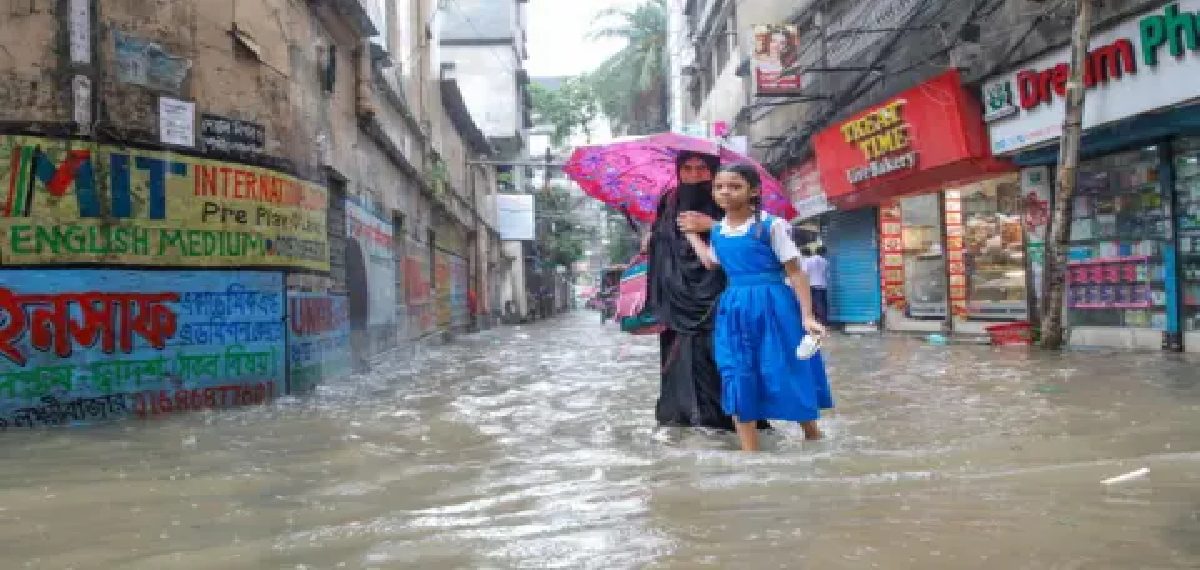
Heavy rains and flash floods across Bangladesh have killed at least 51 people and affected more than one million, authorities said, as landslides and inundation hit large parts of the country including the capital, Dhaka.
Rescue and evacuation operations intensified after the worst of the downpours over the past week. Officials reported that 28 of the deaths occurred in Cox’s Bazar, where a country-sized Rohingya refugee settlement is located; a school in that district was swept by floodwaters last week, killing several students and a teacher.
Local administrations opened government shelters and postponed student exams while warning systems prompted people in high-risk zones to move to safer ground. Many streets in Dhaka remain waterlogged, with standing water reaching knee level and disrupting traffic.
Sarder Udoy Raihan of the Flood Forecasting and Warning Centre told AFP the situation in the southeast should improve soon, but cautioned that ongoing monsoon activity in the northeast and north could cause further inundation.
Bangladesh, a low-lying nation crisscrossed by rivers, routinely faces monsoon floods; experts say climate change is intensifying rainfall events and increasing the frequency of severe floods and landslides.
The floods underline systemic vulnerabilities in urban drainage and rural slope management. Recurrent inundation in Dhaka highlights infrastructure gaps that amplify economic losses—from disrupted transport and schooling to damage to small businesses—while densely populated refugee camps like Cox’s Bazar face acute humanitarian risks.
Climate-driven increases in extreme precipitation make short-term emergency response essential, but also raise the urgency of medium-term adaptation: reinforcing drainage, stabilizing hillsides, and integrating flood forecasting with targeted social protection to shield the most exposed communities.