11 Ekim 2026
açık


Local victory in the Peruvian Andes sparks curiosity as a candidate’s uncommon forenames capture national attention and media interest.
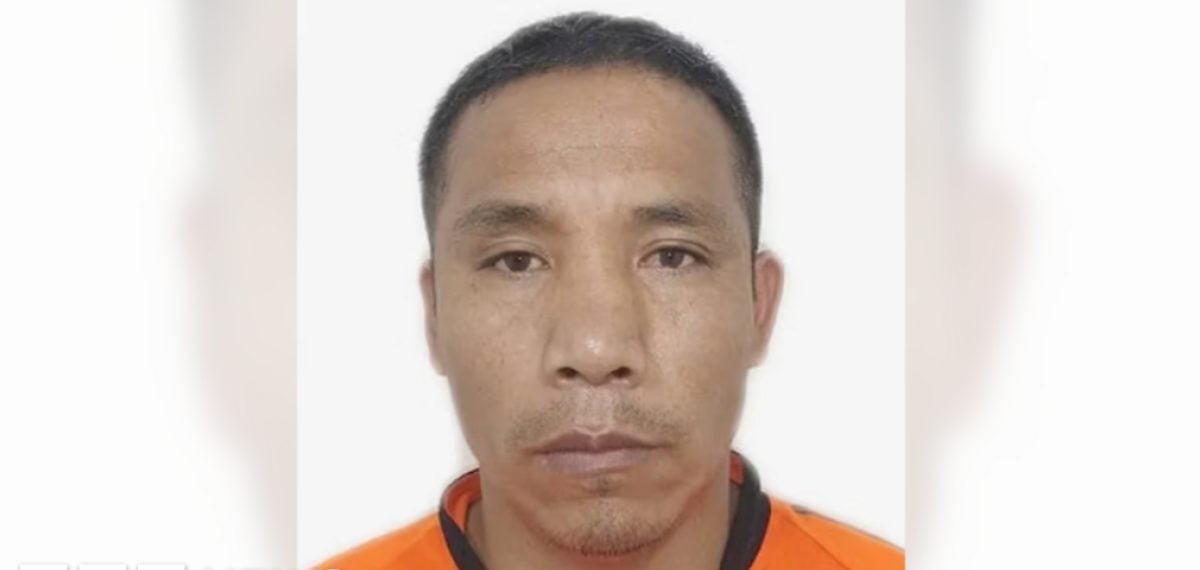
The recently announced winner of the municipal vote in Queropalca, a tiny district high in Peru’s central Andes, secured the office by a slim margin. Fewer than 1,000 residents were eligible; roughly 700 cast ballots and the successful candidate received 229 votes, about 34% of the turnout.
Representing the centre-left Ahora Nación party, the 45-year-old will serve as mayor of this remote community in the Huánuco department. He was born in the district and campaigned locally, focusing on issues relevant to his neighbors rather than national politics.
What propelled the story beyond regional interest is that his legal forenames—Hitler Mussolini Simeon Flores—match the given names of two notorious 20th-century European dictators. This coincidence has provoked widespread curiosity, even though the election itself involved only a few hundred voters.
Electoral data confirm the narrow nature of the victory: the winner finished about 25 votes ahead of the runner-up, a candidate from the right-wing Renovación Popular Perú party.
Local outlets observed that unusual first names are not unprecedented in the region. For example, in 2018 a man named Hitler Guesclin Alba Sánchez was elected mayor of Yúngar after campaigning with the slogan “I’m the good Hitler.” Separately, in 2020 a politician called Adolf Hitler Uunona won a local election in Namibia, where Germanic names can be more common due to historical ties.
In short: the Queropalca election is notable more for the candidate’s name than for its scale or political impact, reminding observers that unusual personal names can attract outsized media attention even in very small communities.