
10 Ekim 2026
açık


Report examines alleged Flydubai co‑pilot radicalisation and in‑flight attack, detailing timeline, motives, and reported facts.
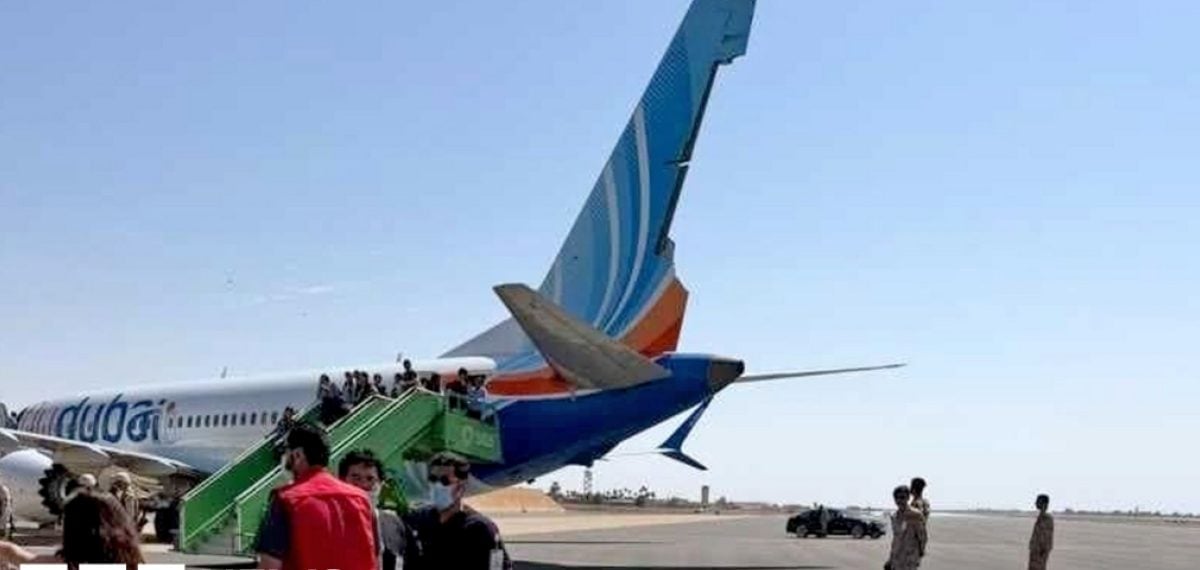
The co-pilot accused of trying to seize control of a Flydubai aircraft and steer it toward Tel Aviv is reported to have undergone a gradual shift toward extremist beliefs while studying overseas, UAE officials say. Authorities allege the 29-year-old became increasingly influenced by violent ideology after exposure to extremist literature and online content.
During the flight, the suspect is said to have injured the captain with an emergency crash axe before other passengers and crew intervened. The aircraft was subsequently landed in Saudi Arabia by a fellow crew and the incident left many questions about recruitment, vetting and security procedures.
UAE Attorney‑General Hamad Saif al‑Shamsi told state media that interrogations indicated the co‑pilot’s “drift towards extremism and terrorism” began around 2017, coinciding with his time studying in Australia. Investigators reported the suspect consumed material that glorified terrorist organisations and suicide attacks, and that he had prepared mentally and physically to carry out the alleged plot.
According to the official account, the man admitted to acting alone, though probes continue to verify whether others were involved. He reportedly increased exposure to propaganda and undertook physical training, including boxing with a private coach, in the period before the incident.
Records show he held an Australian student visa issued in 2014 and studied there between 2015 and 2017. University correspondence confirmed he attended but did not complete an engineering qualification. Media reports recovered earlier social media posts in which he described years spent studying abroad — in Australia, Britain and New Zealand — as formative for his religious views.
More than 170 people were aboard flight FZ1073 on 30 September when the onboard assault occurred. The Indian co‑pilot, Capt Smit Machchhar, has been praised for unlocking the cockpit and enabling passengers and crew to subdue the attacker while he was being violently assaulted with the axe.
Passengers and crew intervened, allowing the aircraft to be controlled and safely diverted. The incident has prompted international inquiries and led Australian agencies — including the AFP, Victoria Police and ASIO — to investigate any links the suspect may have to Australia.
Regional officials said the man had previously been removed from flying duties by Oman Air and reassigned to administrative work amid concerns about his extremist views. He later joined Flydubai after passing standard security checks that, according to officials, did not include assessments for radicalisation.
Concerns now focus on several areas:
Authorities continue to verify the suspect’s statements and examine all possible ties. The case has drawn scrutiny from multiple countries and highlighted gaps in cross‑border vetting, airline hiring practices and the monitoring of extremist influences among aviation personnel.
Important details remain subject to confirmation as investigations proceed.