10 Ekim 2026
açık


French government deploys 3,000 supply teachers to ease lycée disruptions amid nationwide protests, aiming to maintain classes and stability.
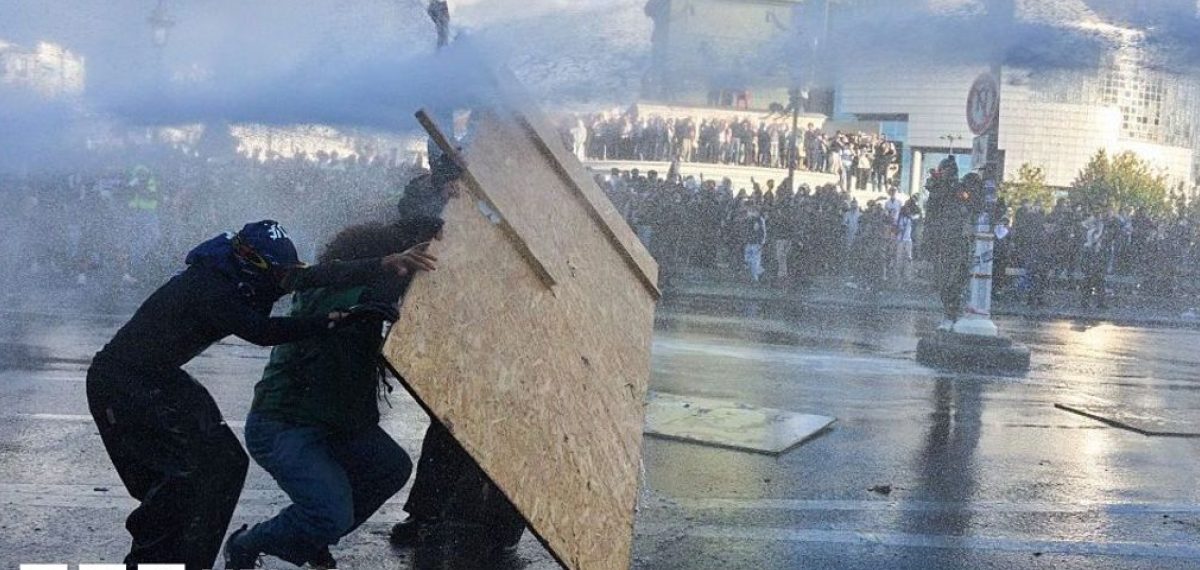
The French government announced that 3,000 extra supply teachers will be deployed in the coming days to address teacher shortages in secondary schools, following widespread demonstrations by high-school students across the country.
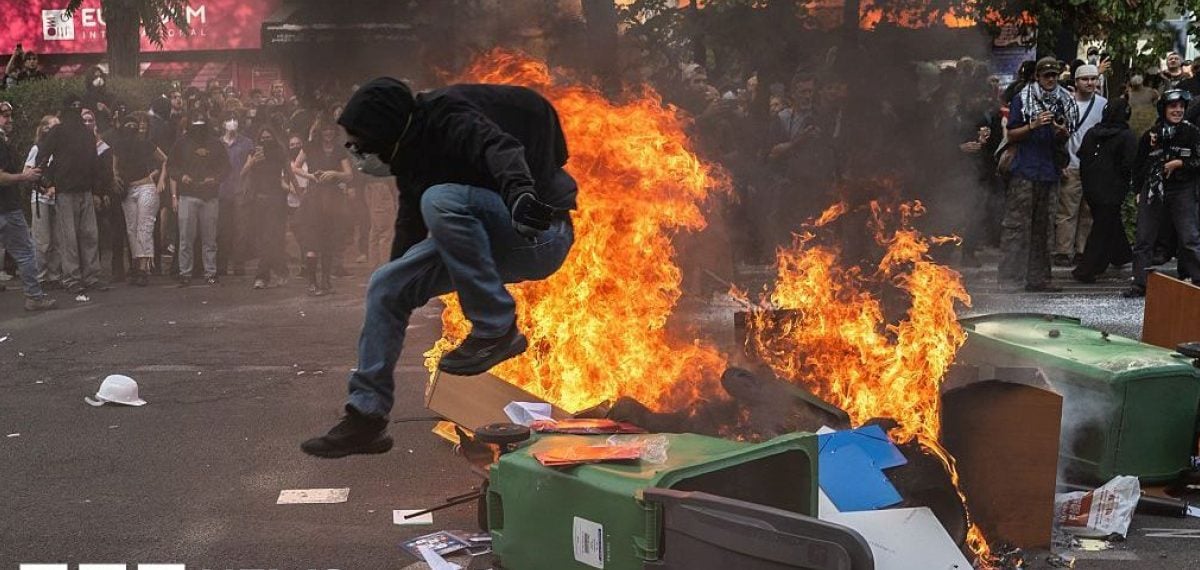
Education Minister Edouard Geffray made the offer in a television interview after a day of sometimes violent protests. Authorities reported 6,877 arrests since the demonstrations began, 86% of those arrested being under 18. Some 71,000 people protested nationwide on the day, including 24,000 at the Bastille in Paris.
Police used tear gas to disperse groups that attacked them with paving stones and homemade fireworks. Incidents during the unrest included a lycée in Bordeaux being ransacked and a deputy-head being beaten in Marseille. On Friday, about 140 lycées were totally or partially closed, a decrease from previous days, and another day of action was called for the following Tuesday.
Geffray said the ministry’s new software will allow the direction of 3,000 supply teachers to roughly 500 lycées identified as most in need, many of which are in high-immigration city suburbs where teacher shortages are most acute. He also said more money would be made available under an existing scheme for teachers willing to work overtime, and that students’ grievances would be considered in discussions on the education section of the 2027 state budget.
The offer did not include major new investment, and the government expressed concern about appearing to buy social peace given France’s fragile debt situation. Student leaders gave guarded responses, with Nathanaël Combary of Renouveau Lycéen saying students would wait to see how the promise is implemented. Sabrine Kharbach of Union Etudiante said the movement would continue until a €10bn commitment is secured. Jean-Luc Mélenchon praised the demonstrations, while Laurent Jacobelli of the National Rally condemned the concessions as legitimising violence.
The protests represent one of the most serious waves of student unrest in France in years and occur amid broader national tensions over rising fuel prices and difficulties in the farming sector. Authorities hope that upcoming half-term holidays and colder weather will reduce protest intensity, while a revived yellow vest demonstration is planned for 17 October and presidential elections are approaching in April and May.
The government’s pledge to deploy 3,000 supply teachers is a tangible but limited response aimed at immediately reducing lost teaching hours in the most affected lycées. By targeting roughly 500 schools identified as in greatest need and offering overtime pay, the administration seeks to address operational gaps without committing to large-scale new spending. Student reactions indicate continued mobilisation unless broader financial commitments are made, and political responses from across the spectrum highlight the movement’s polarization. The timing of the concession, set against fiscal constraints and approaching national elections, suggests the government is balancing short-term crisis management with long-term budgetary caution.