12 Ekim 2026
parçalı bulutlu


Pentagon to livestream its first military execution, sparking legal, ethical and public debate over transparency and accountability.
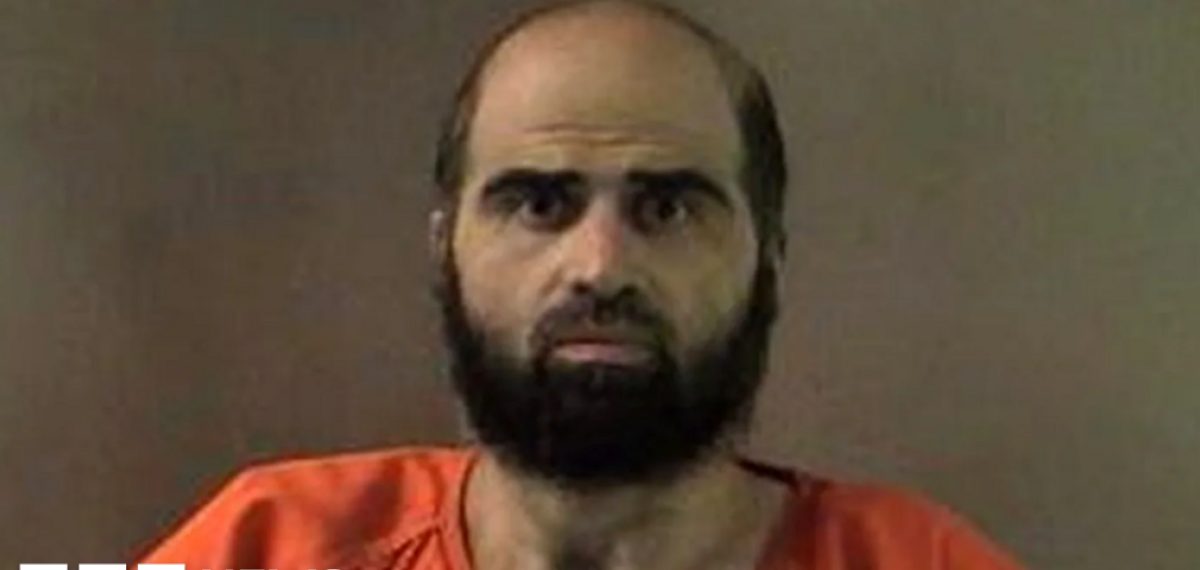
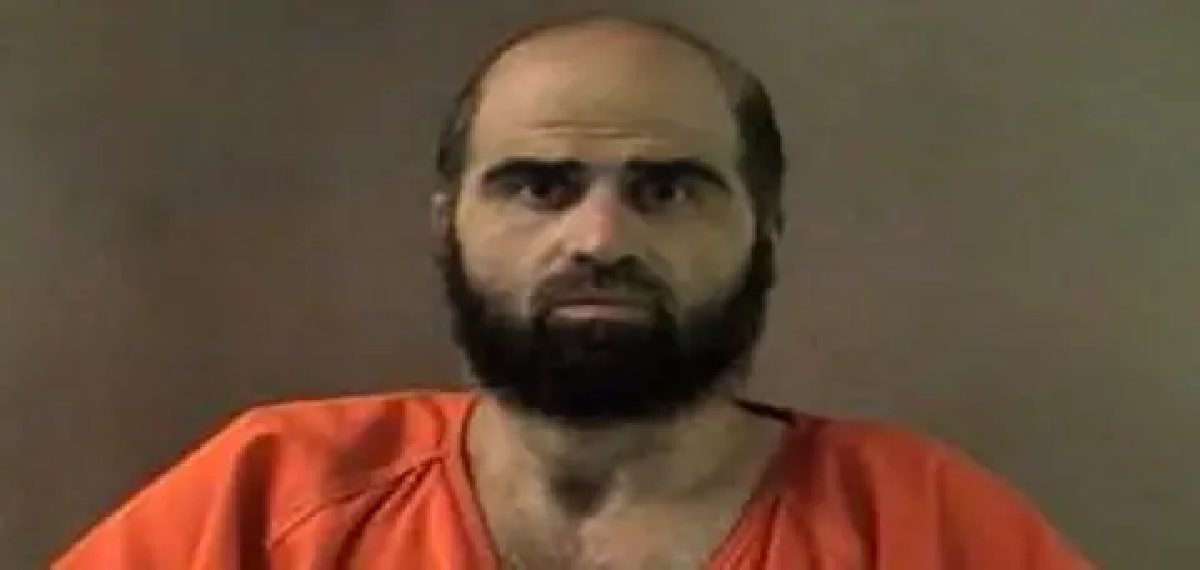
The US Department of Defense has announced plans to livestream the execution of former US Army Major Nidal Hasan, who is scheduled to die by firing squad on 3 December, a decision that has prompted broad criticism and legal questions.
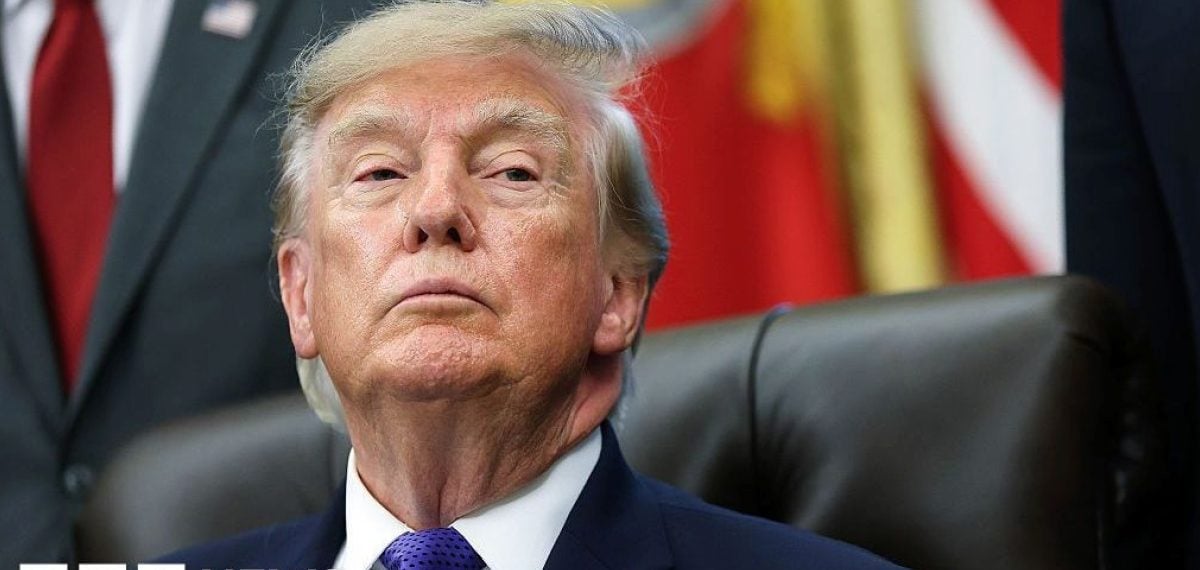
Defence Secretary Pete Hegseth stated that broadcasting the execution online would serve as a deterrent, and US President Donald Trump indicated his approval of the plan while noting a final determination remained to be made. If carried out as described, the event would be the first-ever broadcast of a US execution.
Hasan, a former US Army major and psychiatrist from Virginia, admitted to fatally shooting 13 unarmed soldiers at Fort Hood on 5 November 2009, and was shot during the attack; he now uses a wheelchair. The Fort Hood shootings represented the deadliest non-combat attack on a US military base, with 13 killed and 32 injured.
It is unclear whether restrictions would be placed on the livestream to limit viewership. US Army Regulation 190-55 restricts presence at military executions to certain categories such as journalists and relatives, and excludes people under 18. Critics argue that livestreaming would make it difficult to prevent children from viewing the death live or in recordings.
Survivor Alonzo Lunsford, who was shot seven times in the Fort Hood attack, opposed a public livestream and said the execution should be viewable uncensored only by victims and their families. A civilian lawyer advising Hasan, John Galligan, criticized the handling of the announcement and described the public presentation of the execution date as resembling a lynch mob mentality.
The United Nations warned that livestreaming the execution could constitute cruel, inhuman or degrading treatment or punishment prohibited under international law. UN Spokesperson Stéphane Dujarric described the prospect of a government executing someone in public or in front of live cameras as abhorrent.
It remains unclear how the military would transmit any stream, whether it would violate US laws or platform policies, or whether platforms such as Meta, YouTube, TikTok and X would permit such content. Meta explicitly bans livestreams of capital punishment. YouTube, TikTok and other platforms prohibit extremely graphic or violent content though YouTube and TikTok note narrow exceptions for material deemed in the public interest.
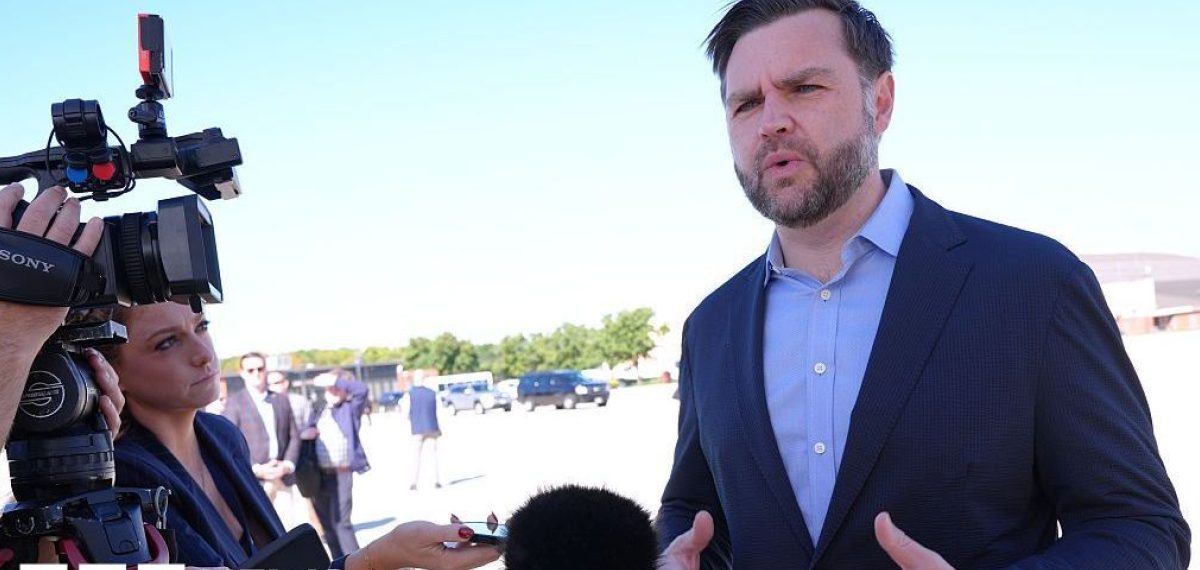
The announcement followed concerns about shortages and reliability of lethal injection drugs and a recent failed execution attempt in Tennessee. On 5 October the Pentagon announced Hasan would die by firing squad, five days after the botched lethal injection of Christa Pike. Vice-President JD Vance expressed doubt that livestreaming would occur and said he did not plan to watch.
Hasan’s execution would be the first by the US military since 1961 and the first firing squad execution since World War Two. The last widely watched public execution in the United States occurred in 1936 in Kentucky, and the most recent military execution was a hanging in 1961.
The proposal to livestream Nidal Hasan’s execution elevates questions about the balance between deterrence rhetoric and legal, ethical and practical restraints on public spectacle. Government endorsements of broadcasting an execution have provoked international condemnation and are likely to prompt legal challenges while platform content rules create significant distribution obstacles.
The controversy underscores tensions within capital punishment practice when traditional methods face logistical barriers and when executive support collides with institutional regulations and public criticism. Survivors’ calls for limited access highlight competing priorities between transparency for victims and protections against broader public exposure.