29 Ekim 2026
parçalı bulutlu


Analysis of Israel’s post-election deadlock and four potential paths forward for governance, security, and political stability.
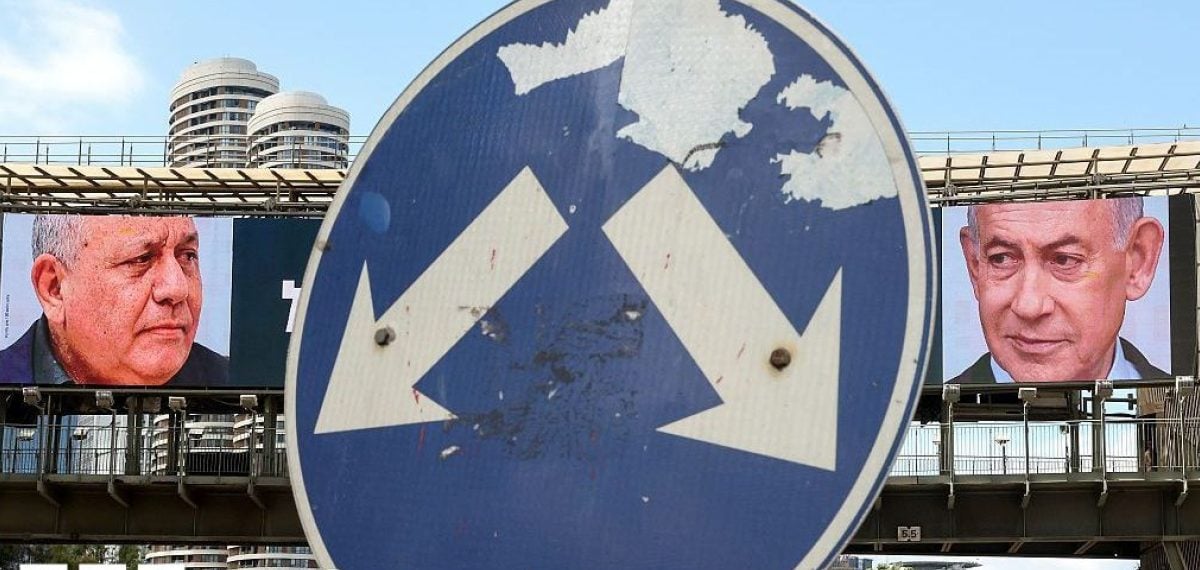
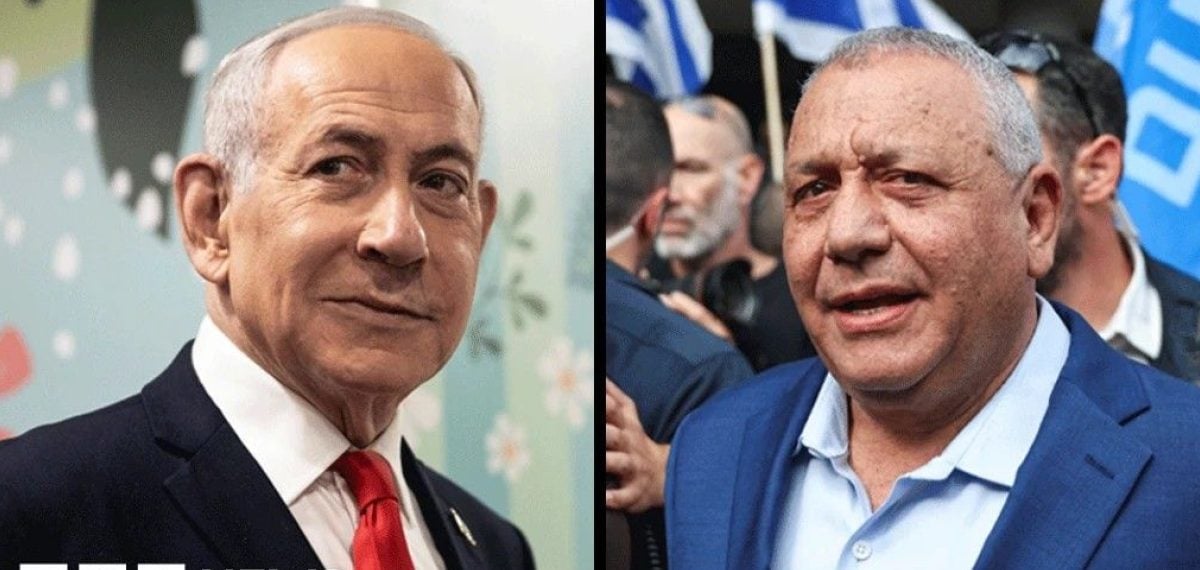
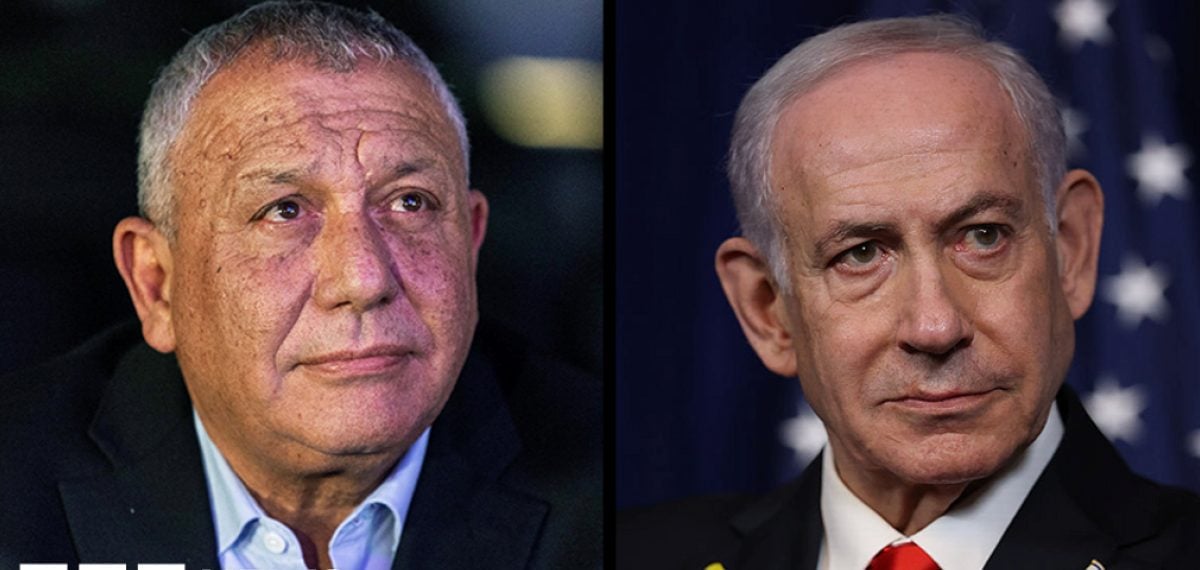
The immediate outcome of Israel’s vote has produced no clear winner with about 85% of ballots counted. Neither Benjamin Netanyahu nor Gadi Eisenkot currently appear to command a definitive majority, leaving the country in a likely impasse. Forming a government may require parties to abandon campaign pledges — and if that proves impossible, a fresh election looks increasingly probable.
Below are four realistic scenarios that could unfold as coalition talks begin.
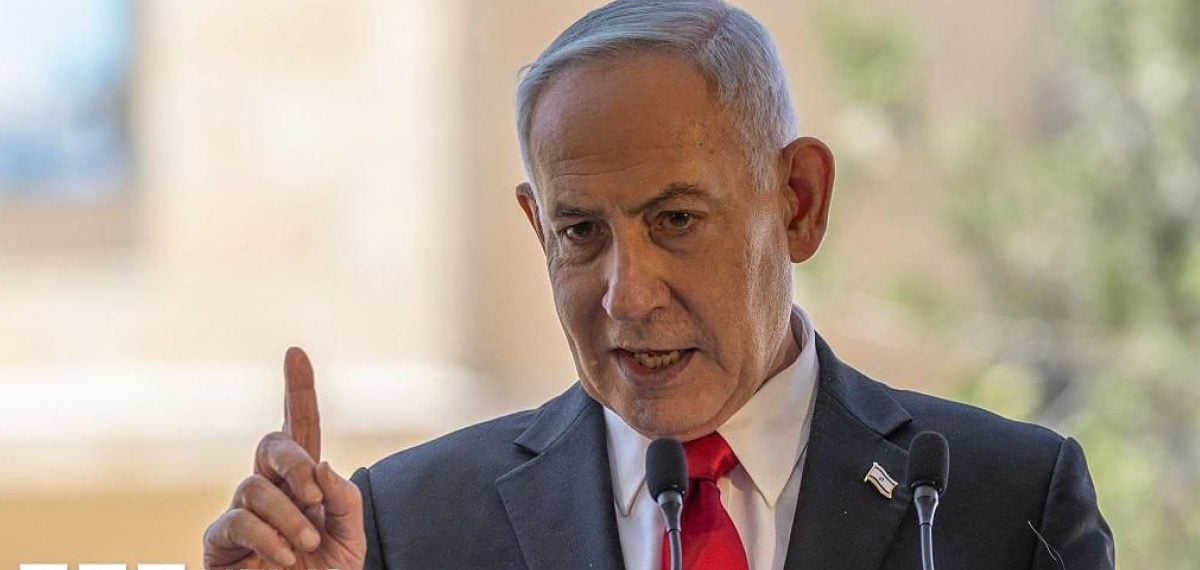
One option would be a unity arrangement in which Netanyahu leads a broad government that includes Eisenkot’s bloc. For that to happen, Eisenkot would need to forsake his central pledge to remove Netanyahu — a politically costly move given his campaign framed him as the sole viable alternative.
Netanyahu could offer to distance himself from far-right and ultra-Orthodox partners to make the offer more acceptable. Yet his public remarks thanking his “loyal partners” and calling for a “strong right-wing government” suggest he may prefer to keep those alliances intact. Another factor that could push rivals together would be renewed regional tensions — notably with Iran — which often create pressure for political unity.
A second, far less conventional route would see Eisenkot try to form a government with the backing of Arab parties. That would mark a major shift in Israeli politics: only once before has an independent Arab party formally joined a governing coalition, and that arrangement was short-lived.
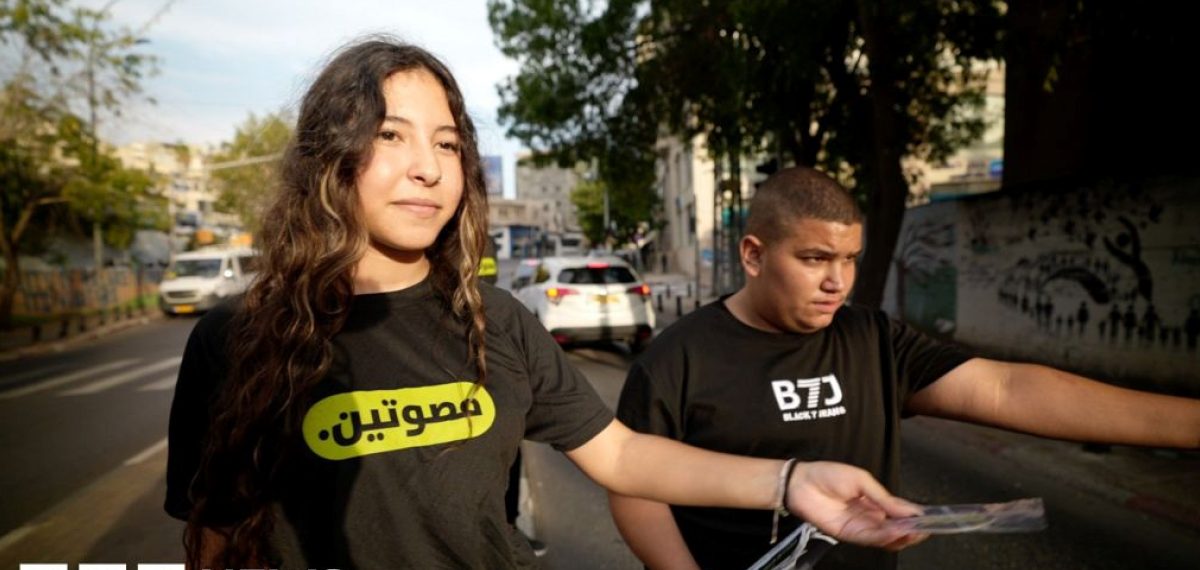
The Arab parties achieved unexpectedly strong results, possibly totalling up to 19 seats, buoyed by an unprecedented turnout among Arab voters who constitute about one-fifth of the population. Some of those parties have signalled they would back a government from outside rather than join it formally, so Eisenkot would likely need them to change their stance — a difficult political ask given the widespread rejection of Arab participation by most Jewish party leaders.
This coalition would be fragile, especially on hot-button issues such as Gaza and the occupied West Bank, and would expose deep societal divisions.
A third possibility is that Netanyahu increases his bloc by convincing right-wing figures from Eisenkot’s camp to defect. Naftali Bennett and Avigdor Lieberman are the most plausible candidates for such a move given their security stances and ideological overlap with parts of the right.
However, both ran explicitly on platforms to oust Netanyahu and backed policies — such as extending conscription to ultra-Orthodox citizens — that directly clash with Netanyahu’s ultra-Orthodox allies. Reconfiguring the coalition to replace ultra-Orthodox partners with defectors would still need the correct arithmetic to reach a majority, which current vote projections make uncertain.
If coalition-building fails, the default fallback would be new elections. In that scenario Netanyahu would likely remain in office as caretaker prime minister until fresh voting occurs. He may calculate a second round would improve his chances: Arab turnout might drop if their increased representation does not deliver change, and some small right-wing parties that fell below the 3.25% threshold might either not run again or consolidate, returning votes to Likud and its allies.
Israel has experienced repeated ballots in recent years — five national votes between 2019 and 2022 — reflecting how difficult it can be for rival blocs to find common ground. If talks collapse and another contest is called, many of the same dynamics that produced this stalemate will shape the next campaign.