10 Ağustos 2026
açık

Israeli expropriation plans at Sebastia and Herodium jeopardize Palestinian access to land, heritage and livelihoods, raising urgent legal and human rights concerns.

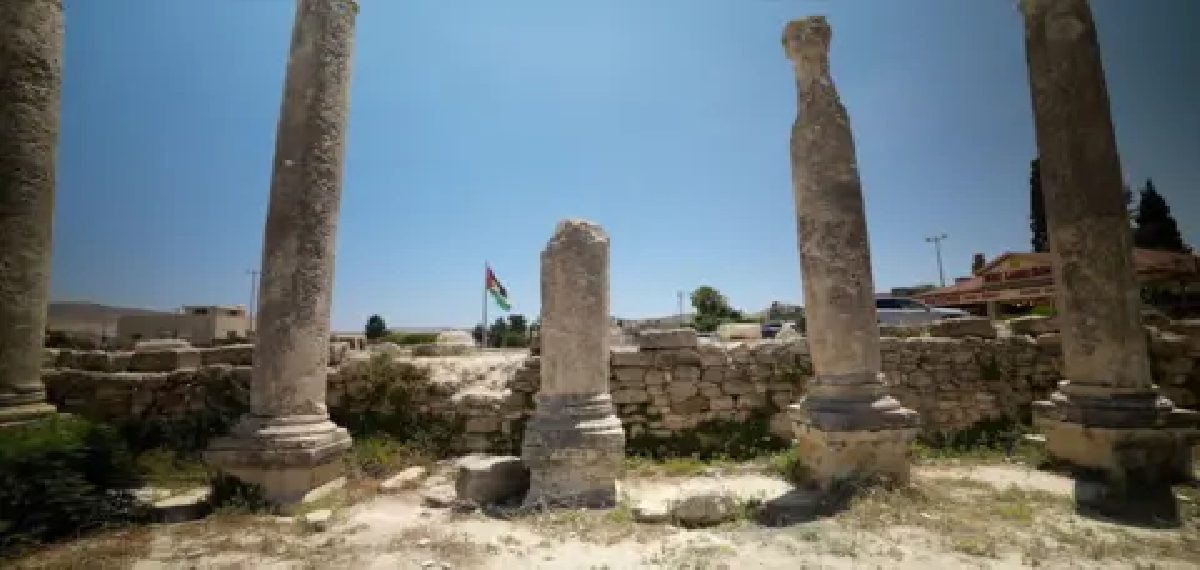
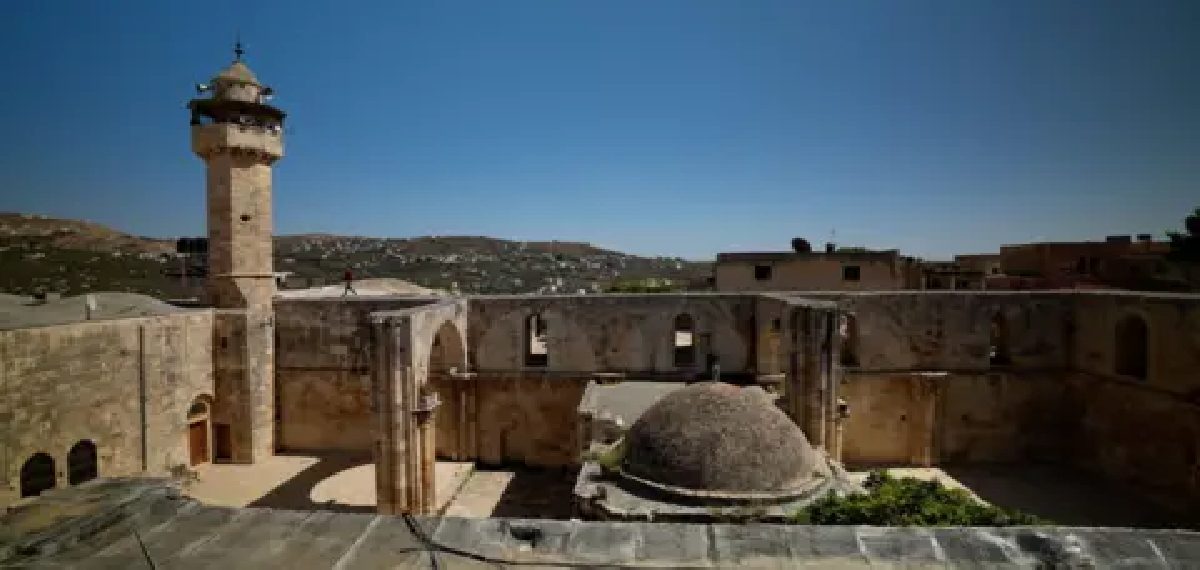
Israeli authorities have begun expropriation measures around the archaeological site of Sebastia in the occupied West Bank, notifying Palestinian landowners that roughly 450 acres will be taken for a national park, village residents and local officials say. Landowners including olive farmer Abu Mudif and restaurateur Nahed Sakha report restrictions on land use and warnings that access and farming will be curtailed as restoration and excavation work proceed.
Officials and residents describe the proposed work as relocating the site entrance away from Sebastia’s village, moving parking and visitor facilities to areas under full Israeli control, and limiting villagers’ ability to tend fields or reach ruins. The path through the site divides Area B, under Palestinian civil and Israeli security control, from Area C, under full Israeli control; locals say this division raises concerns about their ability to maintain ties to the ruins.
Unesco added Sebastia to its World Heritage List and placed it on the List of World Heritage in Danger, citing the planned expropriation and creation of the Samaria (Shomron) national park as a threat that could divide the property. The Palestinian tourism and foreign ministries have expressed hope that Unesco recognition will strengthen international support for opposition to the land seizures.
The Israeli government has allocated roughly 113 million shekels to expand control over archaeological sites in the West Bank, and the Foreign Minister Gideon Saar criticized Unesco’s decision as failing to alter historical claims. Israeli activist Alon Arad of Emek Shaveh says authorities bypassed consultations with Sebastia’s municipality and residents and warns that archaeology is being used to justify land reallocation.
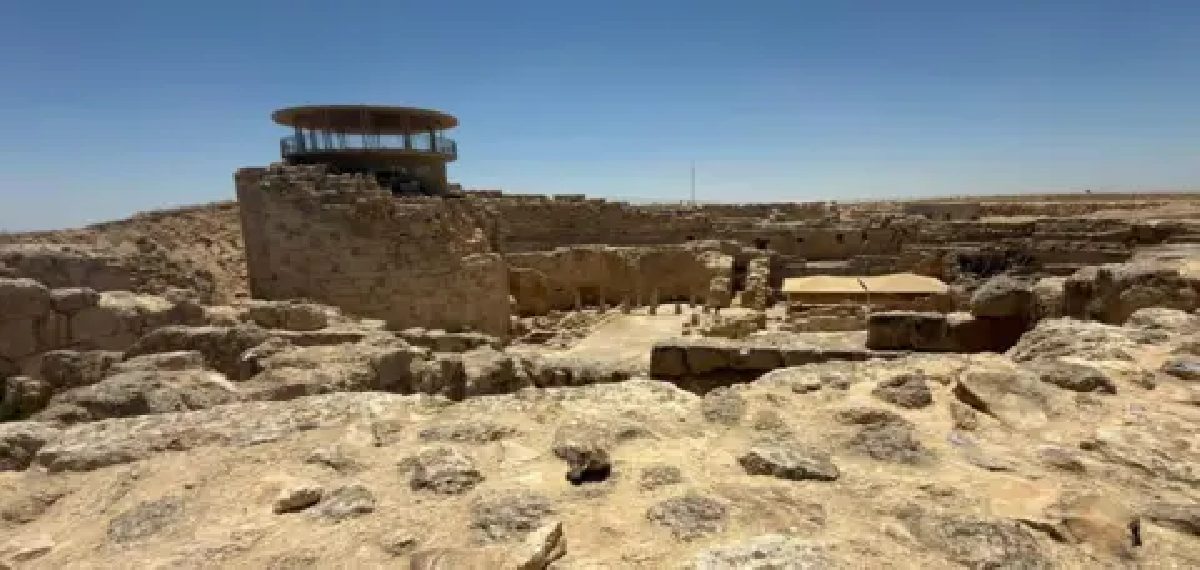
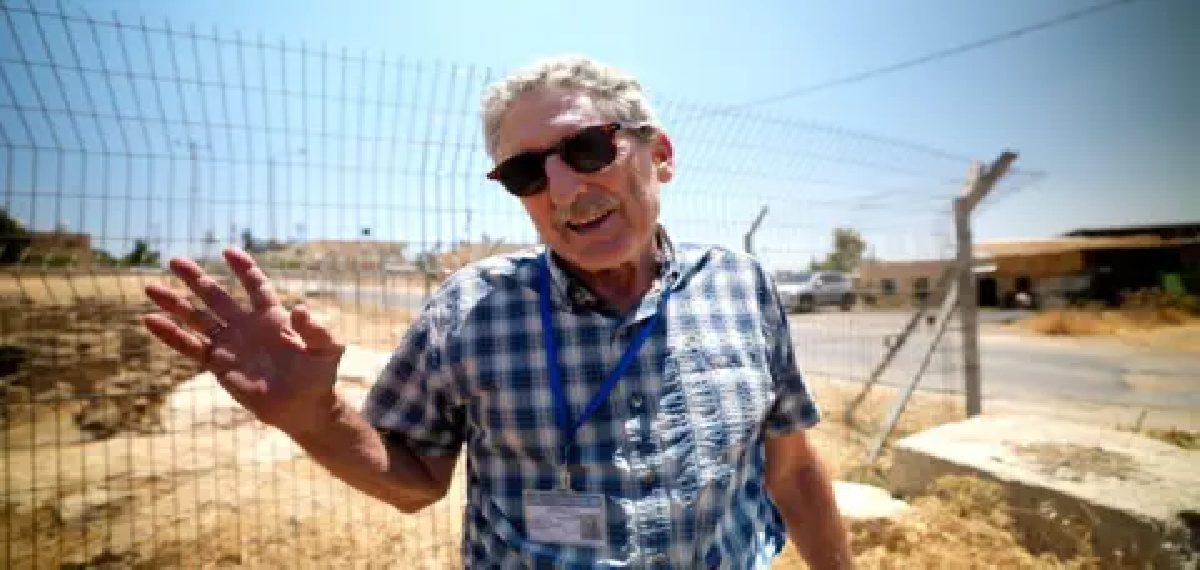
Further south at Herodium, Israeli authorities have begun expropriating about 80 acres, citing preservation and development of the site. Peace Now notes legal constraints on expropriation for settlement purposes and says the state will likely argue the sites serve both Palestinian and Israeli populations. Excavation director Shmuel Browns says Israeli archaeologists view oversight and protection of these sites as a responsibility, while activists point to legislation proposed earlier this year that would transfer control of West Bank archaeological sites to the Israeli heritage ministry; that bill passed a first reading but is on hold.
Unesco’s listing identifies the planned expropriations and national park creation as primary threats to Sebastia’s integrity. Local accounts describe immediate restrictions on land use, relocation of visitor access away from the village, and limited consultation with municipal authorities. Similar measures at Herodium are presented by Israeli authorities as preservation efforts while critics cite potential land reallocation implications.