11 Ekim 2026
açık


Fort Hood survivor backs firing squad for convicted shooter but opposes livestreaming the execution, citing dignity and ethical concerns.
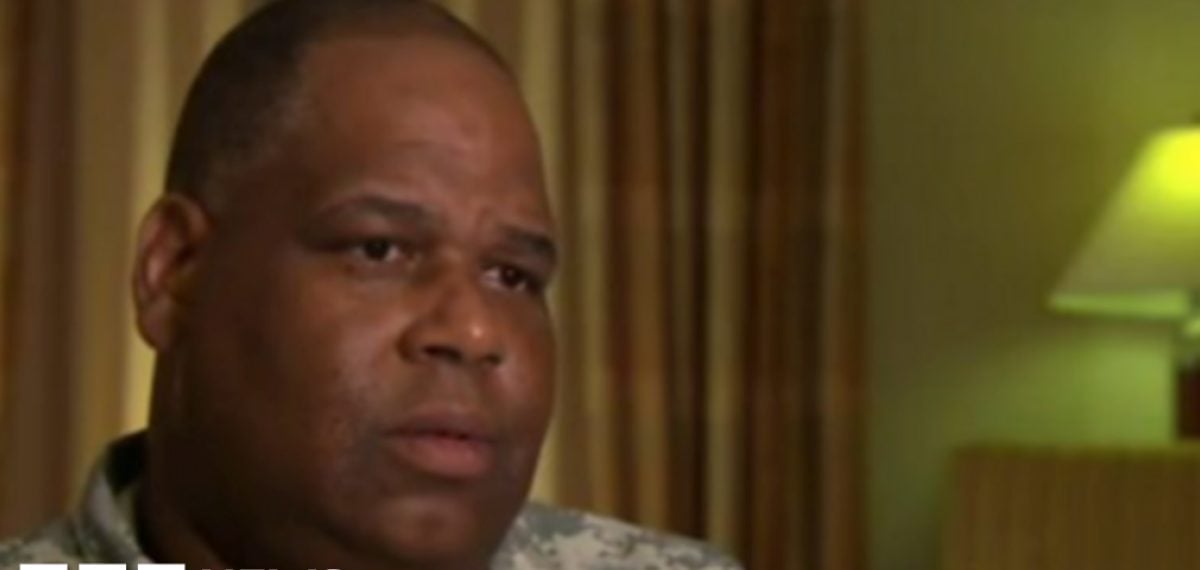
A former US Army sergeant who survived the 2009 Fort Hood mass shooting said he supports executing the gunman by firing squad while opposing a public livestream of the event.
Alonzo Lunsford, who was shot seven times during the attack at the Fort Hood medical building, told the BBC that a firing squad is a method “befitting” Nidal Hasan and that methods such as lethal injection would be “doing him a favour”.
Lunsford said he objected to broadcasting the execution uncensored for general audiences, expressing concern about the effect and message a livestream might send to younger viewers. He added that survivors, victims’ families and their relatives should be able to view the proceedings if they choose.
Describing his intentions, Lunsford said he plans to attend in person and wants Hasan to meet his gaze before the execution to convey that Hasan failed in his attack. He said he has little sympathy for Hasan regarding methods of execution because Hasan showed no compassion during the shootings.
Speaking as a Christian, Lunsford said he has forgiven Hasan, noting that forgiveness is necessary for his own healing and that Hasan could seek forgiveness with his last breath.
Lunsford recounted the attack, saying Hasan stood up from his chair, jumped on a counter, drew a weapon and fired. Lunsford said he was first shot above his left eye, hit again in the back as he crawled behind a desk, and later shot once more after being dragged outside. He recalled a distressing memory of a woman who said she was pregnant and cried out about her baby as shots were fired.
Lunsford emphasized that medical facilities do not carry weapons and described Hasan as having chosen a cowardly way to attack. He said he has read the Quran and believes Hasan’s stated motives are not supported by the book.
The Pentagon announced Hasan’s execution earlier in the week, and US Defence Secretary Pete Hegseth said the public would be able to view a livestream, arguing people should see the consequences of such crimes. Legal experts told the BBC that livestreaming could face legal hurdles and might be successfully challenged in court.
The prospect of a public execution prompted criticism from some politicians, with Democratic Senator Chris Murphy calling it “disgusting” and Republican Senator Thom Tillis likening public executions to practices of oppressive dictators.
The statements reflect a tension between survivors’ desire for acknowledgment and public concerns about spectacle. Lunsford’s support for a method he deems befitting underscores the depth of trauma among survivors, while his opposition to an uncensored livestream highlights worries about the social impact of broadcasting an execution. Official plans to allow public viewing, as stated by the Defence Secretary, raise potential legal and ethical challenges that commentators and courts may address. Political reactions show the broader controversy over transparency, punishment and the optics of state executions.