12 Eylül 2026
açık


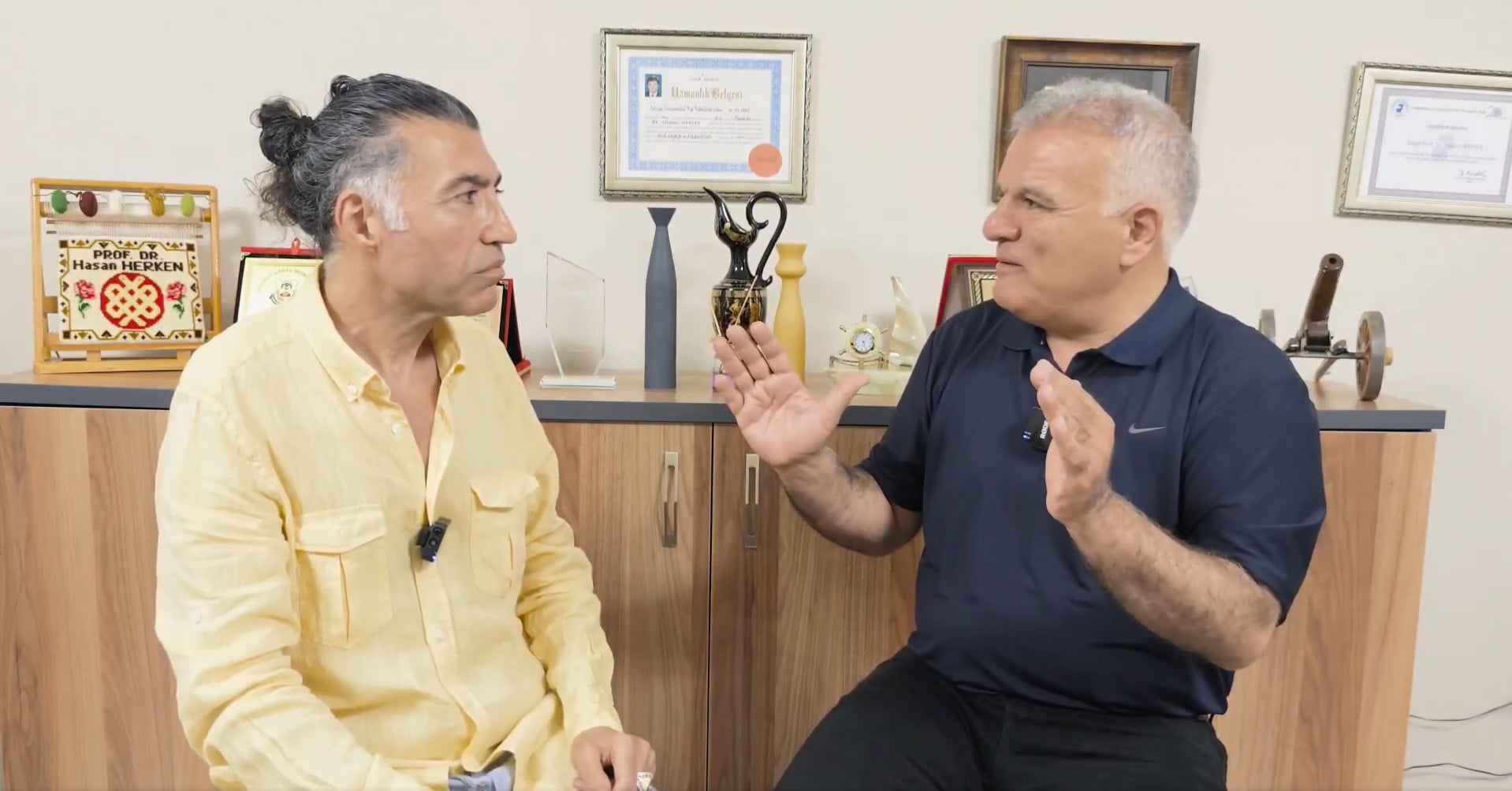
Former TRT announcer Sırrı Er hosted ex-judge and legal expert Ali Kadıoğlu, who evaluated the ECtHR Grand Chamber’s Şaban Yasak judgment. The discussion focused on Articles 7 and 3 of the ECHR and its potential impact on KHK cases and broader legal proceedings.
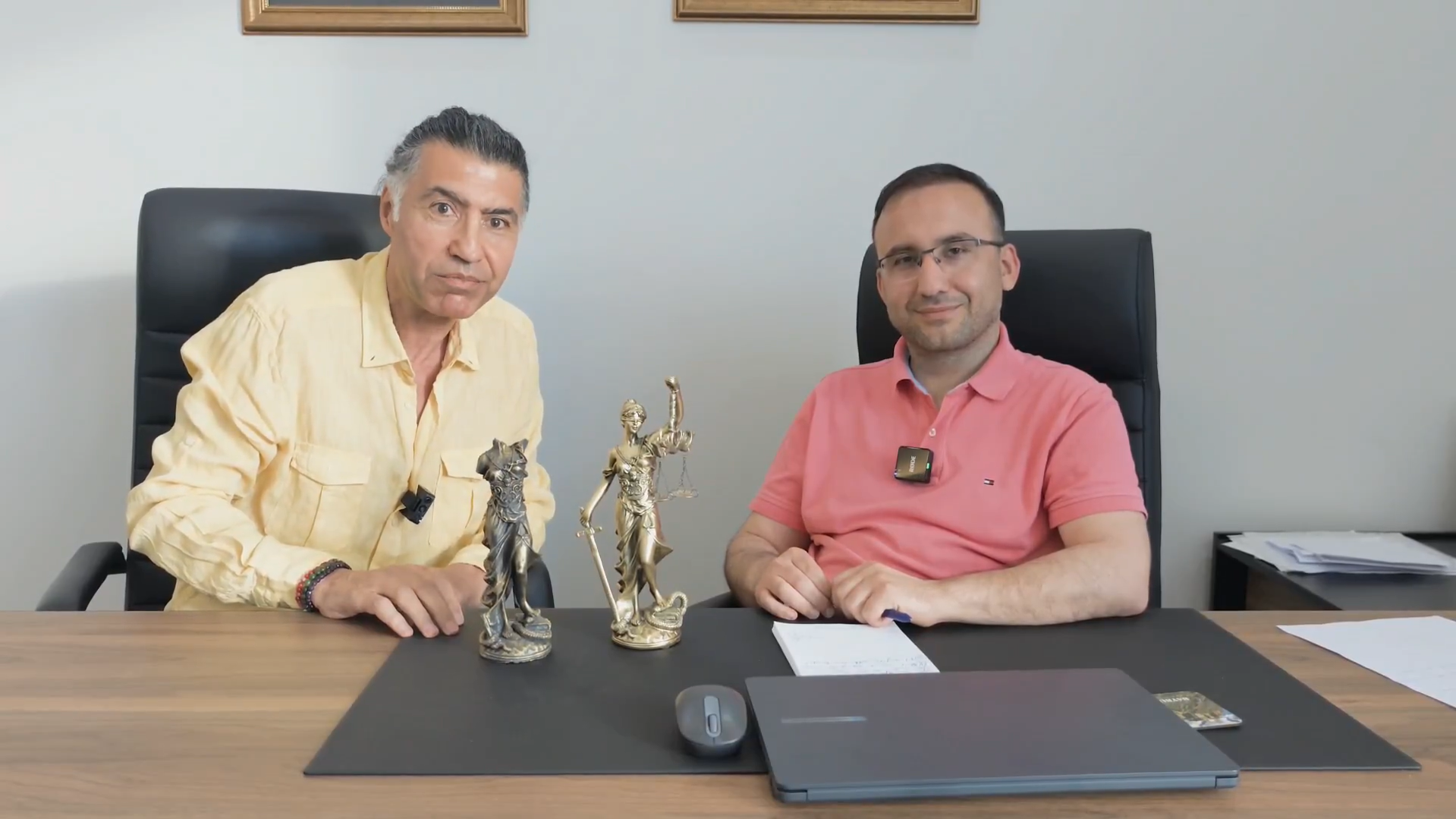
Former TRT announcer Sırrı Er hosted former judge and legal expert Ali Kadıoğlu in a detailed interview focusing on the rule of law, judicial independence, and the European Court of Human Rights (ECtHR) Grand Chamber’s Şaban Yasak judgment. The discussion also symbolically referenced the statue of Themis, the goddess of justice.
Throughout the interview, the broken statue of Themis served as a symbolic representation of perceived issues within the justice system.
Ali Kadıoğlu pointed to the broken-head Themis statue on the table while discussing judicial impartiality and independence. He emphasized that justice is symbolized by Themis being blindfolded to ensure equality before the law, but argued that this principle is now being distorted under external influences.
The statue was used throughout the discussion as a metaphor for the perceived weakening of judicial balance and fairness.
Ali Kadıoğlu explained that the ECtHR Grand Chamber’s Şaban Yasak judgment is particularly significant in relation to Article 7 of the European Convention on Human Rights.
He stressed the principle of “no punishment without law” (nullum crimen, nulla poena sine lege), stating that actions previously considered lawful cannot later be criminalized in a way that violates the rule of law.
Kadıoğlu also noted that the Court found a violation of Article 3 of the Convention, which prohibits torture and inhuman or degrading treatment, describing it as one of the most notable aspects of the ruling.
The interview also compared the Şaban Yasak judgment with the earlier Yalçınkaya ruling, which had already drawn significant attention in legal and political circles.
Kadıoğlu argued that these decisions may serve as precedent-like rulings within European human rights law and could influence domestic courts and administrative judicial processes over time.
Referring repeatedly to the Themis statue, Kadıoğlu described the ruling as a potential milestone for strengthening the rule of law and restoring judicial integrity.
At the end of the program, Sırrı Er thanked the guest and addressed viewers. The interview concluded with reflections on the legal and societal implications of the judgment.
Dikkatinize…
— Sırrı Er (@konusmasanati) June 9, 2026
Eski Hakim, hukukçu Ali Kadıoğlu ile başı kopan Themis'i ve AİHM Büyük Daire Şaban Yasak kararını konuştuk.
Sadece KHK ile ihraç olanları değil bütün mağdurları ilgilendiriyor.
7. ve 3. Madde tanımı ancak bu kadar güzel anlatılır.@alihukukk pic.twitter.com/jPG85KTclj