16 Temmuz 2026
açık


Veteran medic trains Ukrainian civilians in battlefield trauma care, sharing frontline expertise to save lives and bolster community resilience.
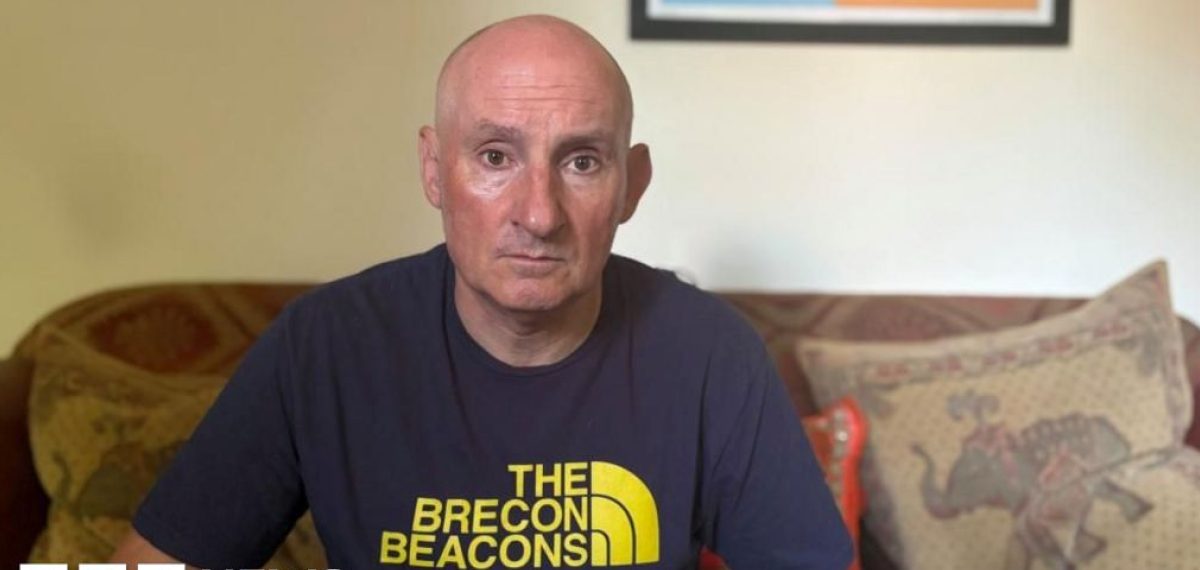
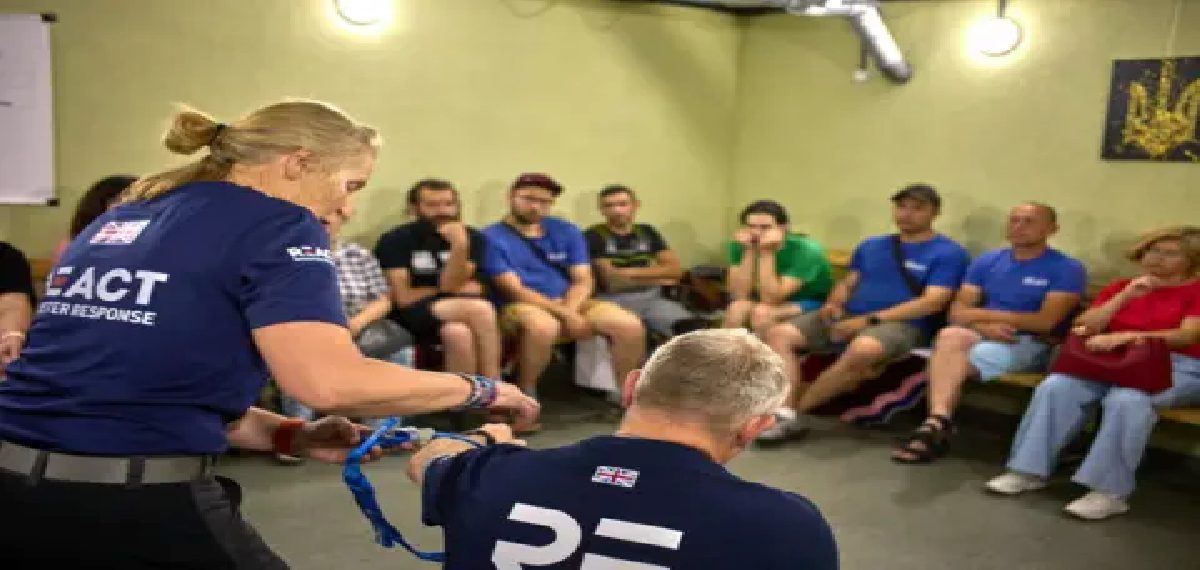
Paul Taylor, a former Royal Regiment of Fusiliers soldier from Hay-on-Wye, Herefordshire, has returned from his 10th mission to Ukraine with UK charity REACT Disaster Response, where he delivers tactical battlefield medical and incident management training to civilians in active war zones.
REACT, founded after the 2015 Nepal earthquakes, has extended its operations to Ukraine since the first Russian invasion more than four years ago, providing trauma medicine instruction, incident management and distribution of basic medical supplies such as tourniquets and field dressings.
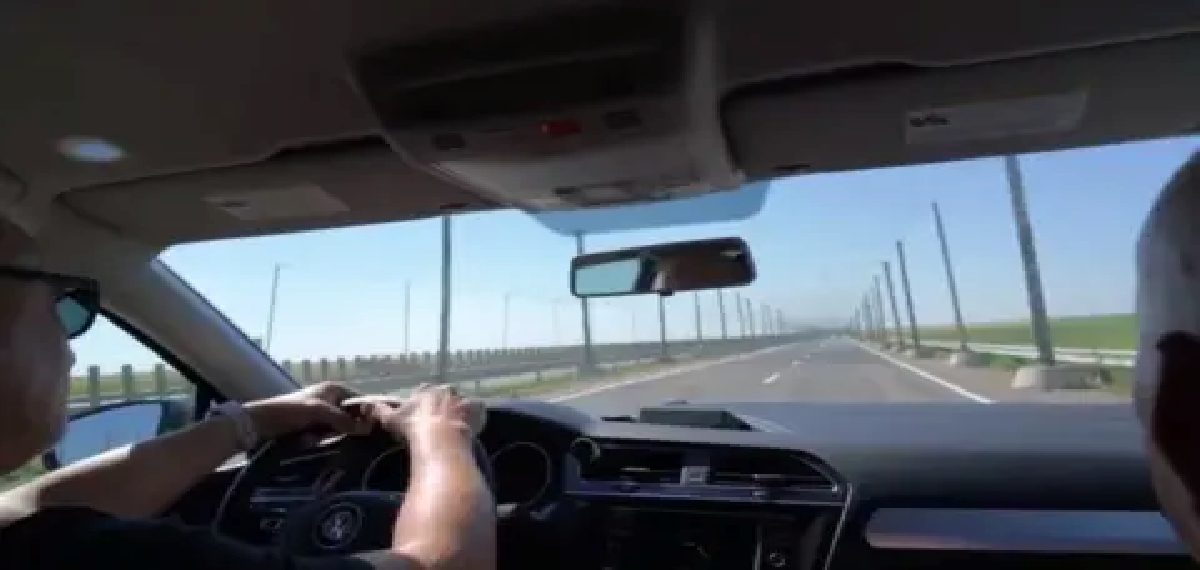
Taylor says the training focuses on immediate life-saving steps: keeping airways open, stopping bleeding and moving casualties to definitive care such as ambulances or hospitals. He highlights that many main roads are now covered with protective nets against drone strikes, changing how civilians and responders move and evacuate patients.
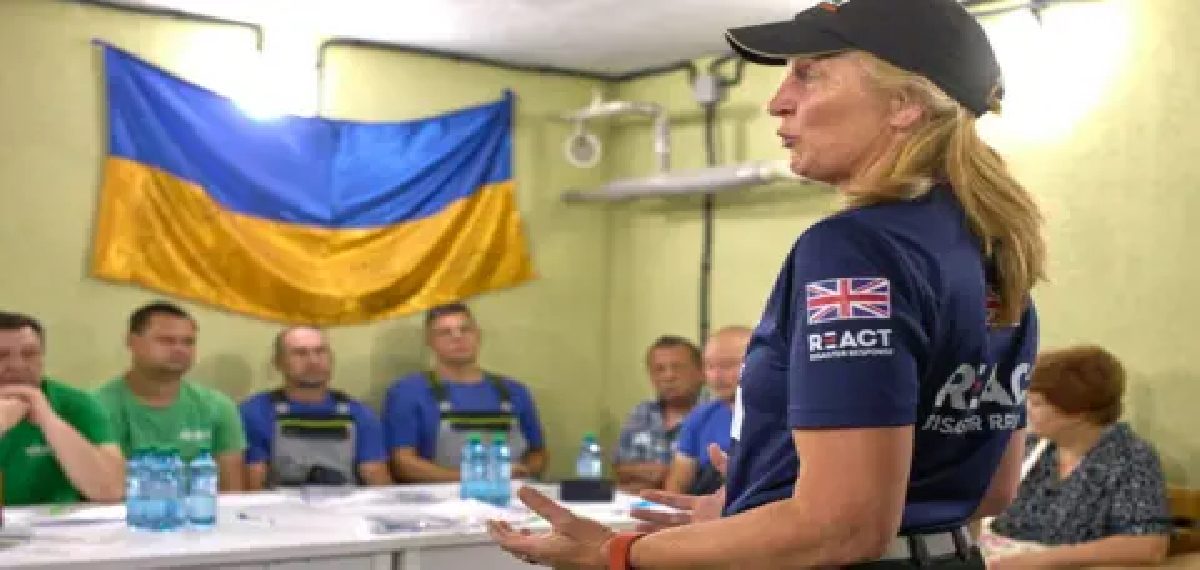
Volunteers include former military personnel like Lizzy Stileman, an ex-British Army officer now in the Army Reserves, who joined REACT in 2017. Stileman emphasizes that practical training builds local confidence and preparedness and can directly save lives.
REACT teams train a broad cross-section of civilians exposed to frontline risks, from families to internet engineers who climb poles to restore connectivity immediately after strikes. Taylor notes these repairs often occur in dangerous conditions and that equipping nearby people with simple trauma skills keeps casualties alive until professional care arrives.
Placing basic trauma skills and supplies closer to where incidents occur reduces mortality from haemorrhage and airway compromise, especially when ambulance access is delayed or infrastructure is damaged. Training internet engineers and families alike reflects a shift toward community resilience: in protracted conflicts, non-medical actors increasingly become first responders, so investment in low-tech, high-impact interventions like tourniquets and airway management yields outsized benefits.
On a broader level, these efforts signal how small, targeted humanitarian interventions can strengthen civil society’s capacity to withstand the operational disruptions of modern warfare—drones, communication outages and contested roads—while preserving critical lines to formal healthcare.
Operational constraints remain: security risks restrict where trainers can operate, and supply chains for medical kits are vulnerable to disruption. Sustaining impact requires ongoing training cycles, local instructor development and reliable logistics to replenish consumables.