01 Eylül 2026
açık

Wildfires encircle a freight train near Armstrong, Ontario; crews execute a coordinated rescue and containment effort amid escalating fire risks.

Fire swept through forests near Armstrong, Ontario, forcing a freight train crew to call for emergency rescue as flames encircled their locomotive on Wednesday; Canadian National Rail later confirmed all trapped workers were safely rescued and operations in the region were suspended.
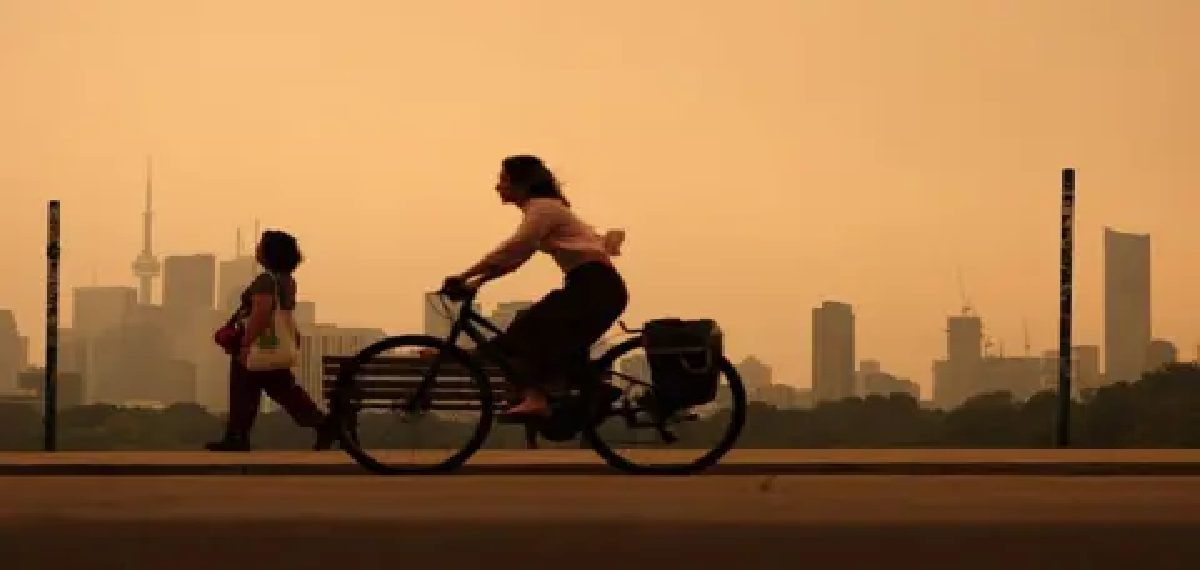
More than 100 wildfires burn across Ontario, part of 838 active blazes nationwide reported by the Canadian Interagency Forest Fire Centre. Smoke from the fires produced thick yellow skies over Toronto and pushed the city’s air quality to among the worst globally, according to IQAir.
Grand Council Chief Linda Debassige said the remote Namaygoosisagagun First Nation in northern Ontario was devastated by a sudden, fast-moving wildfire that damaged homes and community buildings. Canadian National Rail issued a brief statement confirming the rescue but did not provide further operational details.
Officials warned communities to stay indoors and avoid strenuous outdoor activity as smoke and heat persisted. Outdoor World Cup events and wading pools in Toronto were canceled as the city confronted hazardous air quality while also enduring extreme heat earlier in the week.
US authorities warned smoke could drift south into states such as Minnesota and New Jersey over the coming days, potentially affecting air quality even as heat warnings in the Midwest begin to ease.
The wildfires highlight growing cross-border health and infrastructure risks driven by extreme weather. Persistent fires strain local emergency services, disrupt rail and supply lines, and exacerbate air-quality impacts that can ripple into urban centers and neighboring states.
Economically, repeated fire seasons increase costs for firefighting, emergency response and repairs to public and private property, while health-related productivity losses and healthcare demand rise during prolonged smoke events.