16 Temmuz 2026
açık


Acting Attorney General Blanche asserts department independence, responding professionally to criticism over handling of Epstein-related files and procedural integrity.
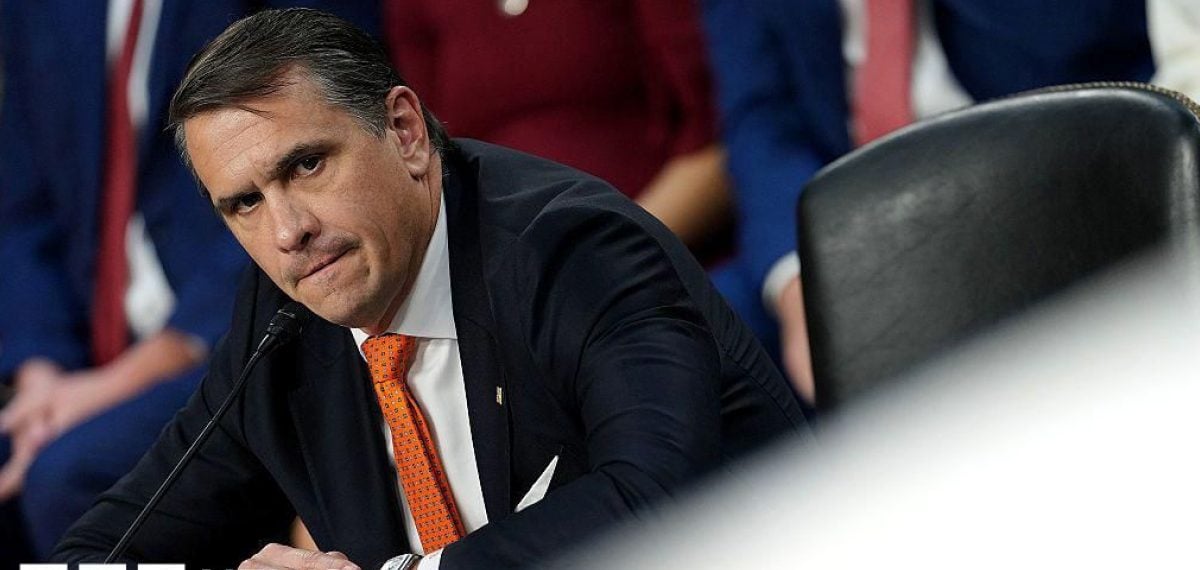
Acting US Attorney General Todd Blanche testified before the Senate judiciary committee Wednesday, answering questions about his past role as President Donald Trump’s lawyer, the Justice Department’s handling of millions of Jeffrey Epstein-related documents, and a recently voided settlement that would have created a $1.7bn anti-weaponisation fund; Blanche reiterated his independence, apologised for redaction errors and said he does not believe Trump is eligible to seek another presidential term.
The hearing opened with senators probing Blanche’s personal and professional ties to Trump. Blanche acknowledged he was the president’s criminal defence lawyer in several cases and told Senator John N. Kennedy, “I’m his lawyer – was his lawyer,” stressing the distinction between attorney and friend.
Senators pressed Blanche about a federal judge’s decision the day before to quash a settlement between Trump, his business interests and the IRS that included immunity from audits and the $1.7bn “anti-weaponisation fund.” Blanche told lawmakers he was confident the fund would not be paid out and said the agreement should be dead.
Much of the committee’s scrutiny focused on the Justice Department’s release of Epstein-related records. Blanche described the document review as a “Herculean task,” noting the department reviewed over six million pages and that roughly 1% of redactions required correction. He offered an apology to survivors for mistakes made in the process.
On constitutionality, Blanche answered Senator Chris Coons that he does not believe President Trump is eligible to run for another term, responding plainly to questions about proposals from some backers for a third term strategy.
The proceedings featured tense exchanges: Blanche bristled at a question from Senator Sheldon Whitehouse and pushed back on rapid questioning by Senator Cory Booker during a discussion about a media merger review. Despite friction, Blanche’s measured, lawyerly tone contrasted with the combative posture of some past Justice Department figures.
Blanche’s testimony matters beyond confirmation: it signals how the Justice Department will balance institutional independence with political pressures during a polarized post-election period. His assurance on the anti-weaponisation fund attempts to close a politically explosive chapter that stirred bipartisan outrage and could have undermined tax enforcement credibility.
Operationally, the disclosure process for the Epstein files exposes resource and procedural strains within the department. Even small error rates, when applied to millions of pages, create significant credibility costs and fuel demands for clearer protocols and survivor engagement going forward.