19 Temmuz 2026
açık


The United States carried out a seventh consecutive night of strikes on Iranian military infrastructure, while Iran reportedly launched retaliatory attacks against US-linked targets. The renewed fighting has intensified concerns over the Strait of Hormuz and global energy security.
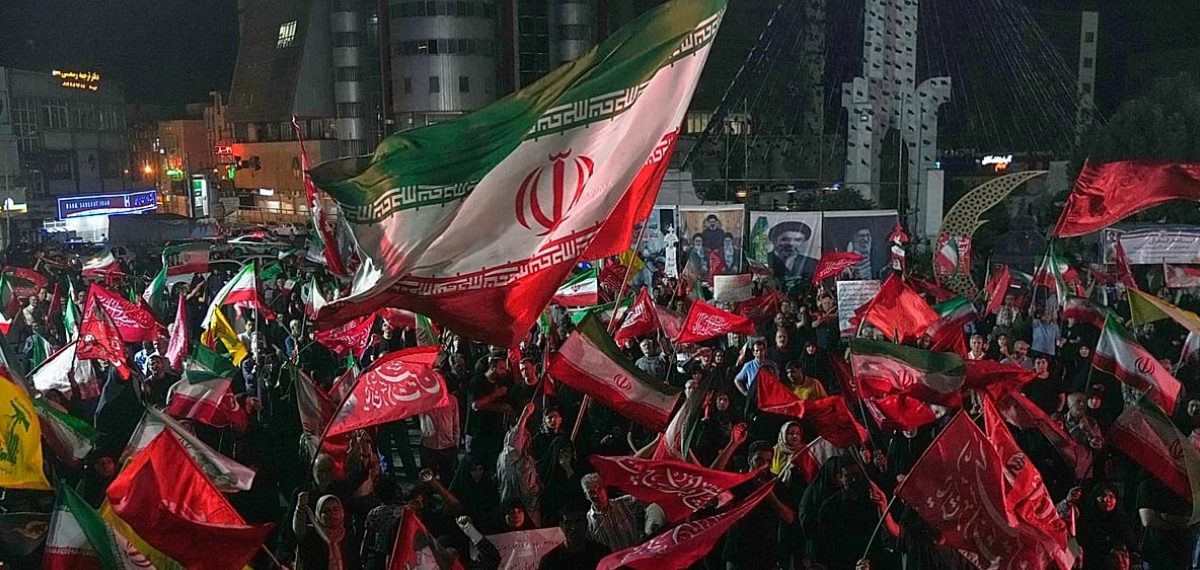
US forces conducted strikes on Iran for a seventh consecutive night, targeting surveillance sites, military logistics infrastructure, underground weapons storage and maritime capabilities, United States Central Command said in a statement posted to X. The operation used fighter jets, drones and warships, with video footage released by CENTCOM. Iran’s Fars state news agency reported that Iranian forces responded by striking US allies and bases in the region, including attacks on Kuwait’s Ali Al Salem airbase and multiple communication sites in Bahrain; Kuwait’s army said local air defences faced hostile missile and drone attacks, while Jordan reported intercepting 10 Iranian missiles early Saturday.
The strikes come amid a continued US naval blockade of Iranian ports, which CENTCOM said it is fully enforcing at the Commander in Chief’s direction. The Strait of Hormuz — a critical global energy transit chokepoint — remains at reduced shipping levels as tensions disrupt maritime traffic and energy markets. The sequential strikes and counterstrikes follow a fragile provisional memorandum of understanding reached in June that sought to pause hostilities and reopen the Strait, an agreement that appears to have unraveled with renewed fighting.
CENTCOM described its targets as surveillance and maritime capabilities, military logistics nodes and underground weapons storage, signaling a broad operation aimed at degrading Iran’s capacity to project force by sea and through proxies. Iranian state media and regional militaries reported specific impacts on bases and communications infrastructure, though independent casualty or damage confirmations remain limited.
Shipping traffic through the Strait of Hormuz has not returned to normal despite the June memorandum that linked US de-escalation — removal of the naval blockade — to Iran’s reopening of the waterway and a commitment not to pursue nuclear weapons. That agreement allowed 60 days for a final deal; renewed hostilities have stalled the process and reopened strategic uncertainty for energy markets and regional security.
Official timelines are tight: CENTCOM’s nightly strikes and Iran’s retaliatory measures have unfolded across successive days, with the most recent exchanges reported early Saturday by Kuwaiti and Jordanian authorities. The pattern of contact shows an operational rhythm combining aerial strikes with long-range missile and drone responses against bases and logistical nodes allied with the US.
The renewed kinetic exchanges deepen regional instability and increase the risk premium on oil and shipping insurance, likely keeping energy markets on edge until a durable diplomatic mechanism is restored. For regional states, the cycle of strike-and-retaliate raises costs for defence postures and heightens the chance of miscalculation. Politically, the breakdown of the June memorandum demonstrates how fragile interim arrangements can be when operational pressures and domestic political incentives push parties toward escalation rather than de-escalation.
For global actors reliant on Gulf energy flows, the situation underscores the strategic value of diversified supply routes and the importance of coordinated diplomacy to rebuild confidence in maritime safety. On the military side, repeated targeting of logistics and underground storage suggests an effort to constrain Iran’s sustainment capacity, but also risks prompting asymmetric responses that further extend the conflict’s geographic reach.