19 Temmuz 2026
açık


US launches international effort to counter left-wing terrorism, highlighting Antifa threats and urging global cooperation on security and intelligence.
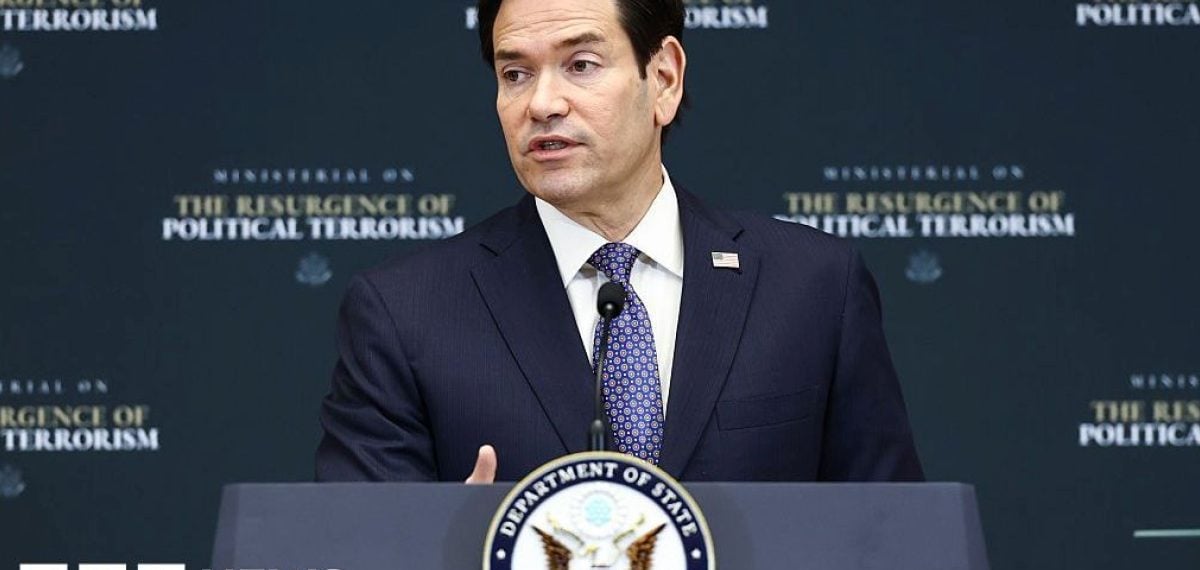
Washington hosted representatives from more than 60 countries as US Secretary of State Marco Rubio urged an international response to what the administration describes as a rising threat from left‑wing extremist groups, naming Antifa and allied organizations and announcing visa restrictions on alleged participants in economic sabotage.
The meeting, held in Washington DC, framed the phenomenon as transnational and called for increased intelligence sharing; officials repeated claims that far‑left groups had coordinated attacks across borders. White House deputy chief of staff Stephen Miller characterised leftists as “fundamentally motivated by envy, by hatred, by jealousy,” and the State Department announced visa bans targeting members of “Far‑Left Terrorist and other aligned groups.”
The administration has already designated four European groups as Foreign Terrorist Organizations: Antifa Ost (Germany), the Informal Anarchist Federation/International Revolutionary Front (Italy), Armed Proletarian Justice (Greece) and Revolutionary Class Self‑Defense (Greece).
Democratic lawmakers, eleven of whom wrote to Secretary Rubio, warned the focus risked conflating lawful protest with terrorism and accused the department of pursuing a politically partisan agenda. They urged a return to an apolitical, data‑driven approach.
Research on ideologically motivated violence remains mixed. A 2025 Center for Strategic and International Studies report found left‑wing terrorism surpassed far‑right incidents for the first time in decades, while a previously posted 2024 Justice Department study — quietly removed from the DOJ website last year — had indicated far‑right extremists caused most ideologically motivated deaths.
The US effort to build an international coalition against far‑left groups signals a strategic shift that may reshape intelligence cooperation and visa policy. For allied governments, the move raises questions about prioritisation: security services must balance tracking transnational networks with protecting civil liberties and lawful dissent.
Economically, broad designations and visa restrictions aimed at groups accused of “economic sabotage” could complicate cross‑border investigations into protests that disrupt supply chains or infrastructure, while politically the initiative risks deepening partisan divides if perceived as targeting domestic opposition.