28 Ağustos 2026
parçalı bulutlu


USMNT ousted by Belgium in Seattle; Pochettino urges reflection on performance and future direction after disappointing exit.
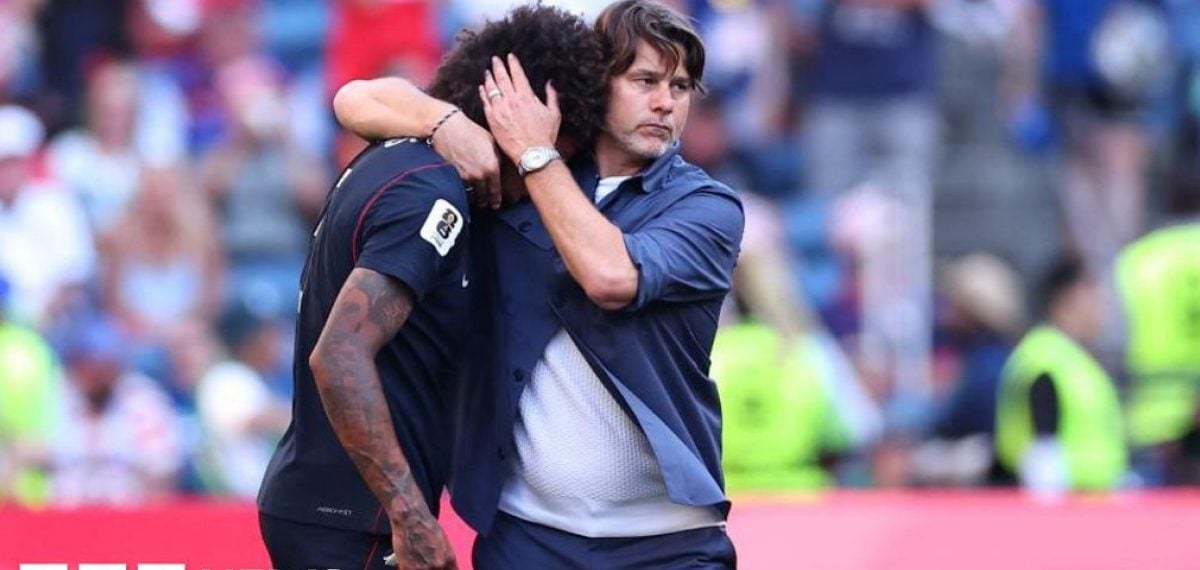
The United States men’s national team was defeated 4-1 by Belgium in Seattle on Monday, manager Mauricio Pochettino said the team were never in the game and a learning process would begin; the loss ended the US run at the World Cup despite earlier notable victories and strong individual performances.
The match in Seattle produced a decisive result for Belgium, who capitalised on technical sharpness and US errors to advance. The US, which had recorded pulsating performances earlier in the tournament and featured several Europe-based players, failed to match those levels in the round of 16.
Pochettino acknowledged after the game that his side did not compete at the required level and indicated a period of analysis would follow to determine causes. Midfielder Tyler Adams described the match as a bad day and said the team had fallen short of their ambitions.
Commentators highlighted pre-match controversies and selection debates. BBC correspondent Tim Vickery suggested Folarin Balogun might have been better left on the bench to avoid distraction after his suspension was overturned following a request from US President Donald Trump.
Analysts also pointed to on-field mistakes. NBC’s Andrew Greif wrote that the US, which had appeared to carry momentum into the round of 16, was undone by individual errors and a gap in readiness compared with elite teams, noting Belgium’s superior technical play on the night.
Former US player Herculez Gomez criticised the performances of key players, calling attention to successive errors that undermined team morale. Sports Illustrated columnist Ben Steiner said the team’s World Cup message—boosted by Pochettino’s confidence—was overshadowed by the Balogun controversy and the underwhelming result against a top-10 opponent.
Despite disappointment, some fans and observers framed the tournament as progress for US soccer. Supporters in Seattle and commentators recalled long-term improvements since 1994, citing a stronger domestic league, more players in Europe and modern stadiums as indicators of growth.
Fans and officials also emphasised the success of hosting World Cup matches in the United States, saying the event raised the profile of the sport domestically. Experts have suggested the 2026 World Cup and rising TV audiences could further strengthen American football fandom and participation.