31 Ağustos 2026
parçalı az bulutlu


Calgary Stampede spotlights Alberta’s unity debate ahead of October referendum, highlighting political tensions, public sentiment and regional stakes.

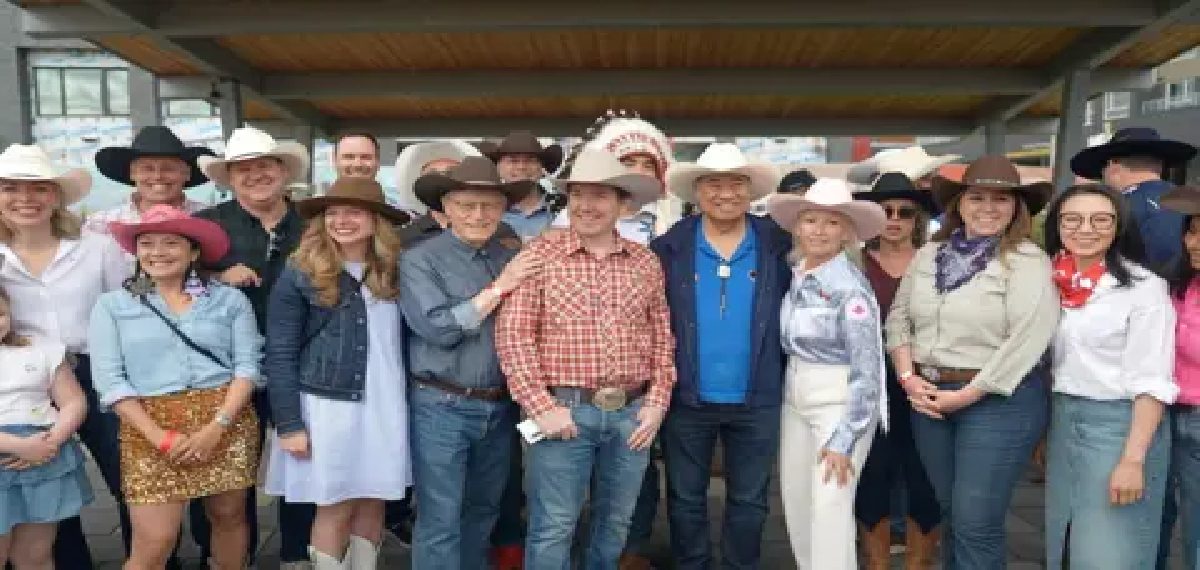
The Calgary Stampede drew national attention this year as federal and provincial figures used the event to address the upcoming October referendum on Alberta’s future, organizers and attendees said. The festival in Calgary hosted unity advocates and separatist supporters, and speakers including Liberal MP Corey Hogan emphasized national cohesion while campaigners for independence continued public outreach.
The referendum, billed as a vote on whether Albertans want to explore separation from Canada, has overshadowed conversations at the Stampede, Hogan told the BBC. Pro-unity groups such as Forever Canadian, led by former Alberta lawmaker Thomas Lukaszuk, and other ministers and MPs used the grounds to urge voters to consider the political, economic and social consequences of independence.
Lukaszuk said his campaign aims to remind citizens of the implications of separation and has circulated its message across the province using a maple-leaf decorated camper van called the “Unity Bus.” He opened campaign headquarters in Calgary and distributed pins and lawn signs while speaking to potential voters, he told the BBC.
Separatist organizers argued at the Stampede that Alberta is overlooked by Ottawa and that independence is a response to perceived disrespect, according to interviews conducted on site. Some supporters pointed to events such as the 2021 Freedom Convoy and federal responses as turning points in their political views.
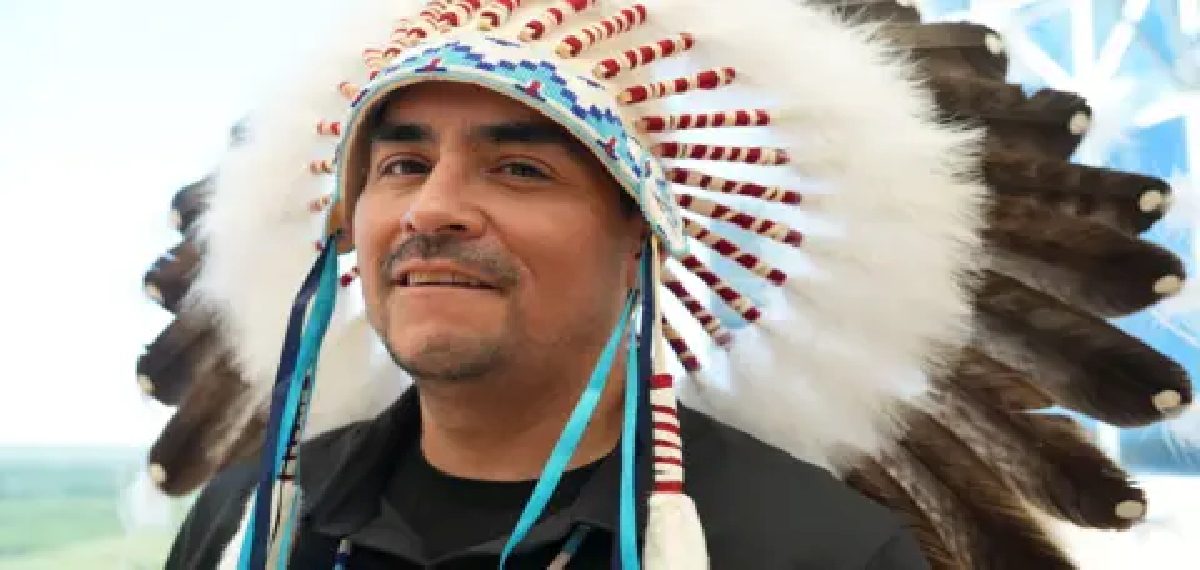
First Nations leaders at the Stampede, including Chief Samuel Crowfoot of Siksika First Nation and Chief Troy Knowlton of Piikani First Nation, said they opposed immediate steps toward a binding referendum on independence. They noted that indigenous groups successfully challenged a binding vote in court, arguing treaty rights were not properly consulted, and they stressed that treaties signed in the region would be better honoured within Canada.
Polling cited at the event suggests roughly one in five Albertans currently support independence, and pro-unity campaigners said they fear a complacency similar to the UK’s Brexit vote could produce an unexpected result. Organizers for the pro-Canada side described their efforts as vital to prevent political polarization from consuming provincial politics.
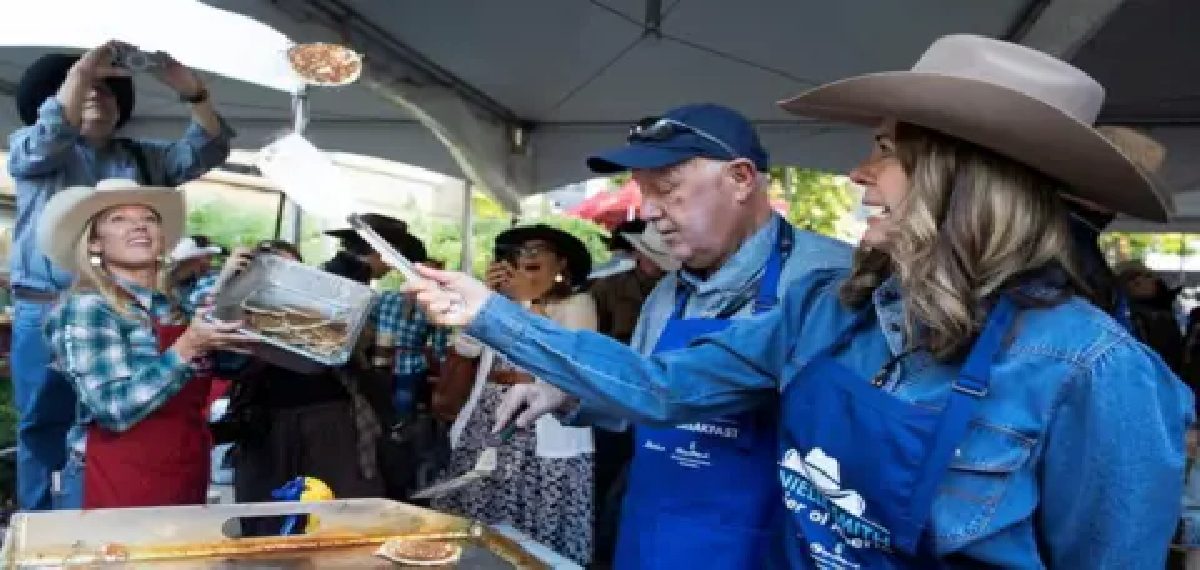
Alberta Premier Danielle Smith framed the “referendum on a referendum” as an opportunity to hear directly from voters despite legal challenges. Pro-separatist petition drives and town halls last year gathered enough support to trigger the non-binding provincial question, accelerating the debate across urban and rural communities.
At the close of the Stampede, both sides said they would continue campaigning. Pro-unity actors pledged to intensify outreach, while independence advocates expanded grassroots organizing in rural towns such as Mirror, where local supporters described strong backing for separation. The debate is expected to remain central to Alberta politics as the October vote approaches.