23 Ekim 2026
açık


US Embassy alleges Canadian officials interfered in upcoming midterms, escalating diplomatic tensions as both nations navigate election integrity concerns.
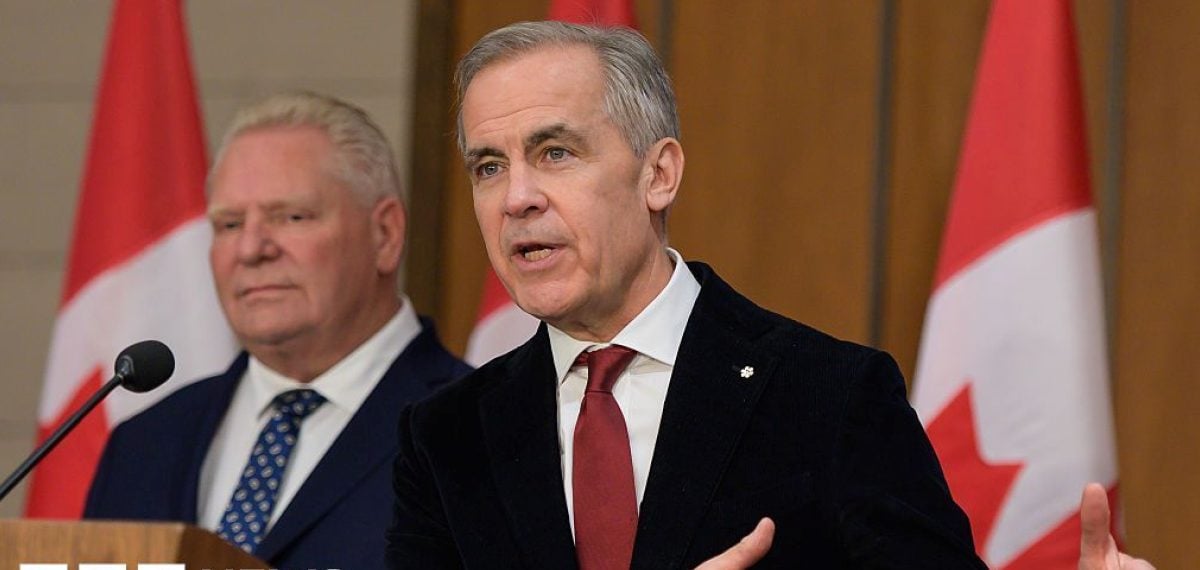
The US Embassy in Ottawa has accused Canadian officials of attempting to influence the upcoming November midterm elections, alleging that Canadian ministers and premiers have described plans to affect American politics in official documents and public appearances.
The embassy fact sheet states that Canadian leaders have brushed off concerns about “potential interference” even as they engage with US political figures. It cites meetings with US Democrats and public comments as examples of actions interpreted as efforts to influence the US political process.
Specific examples in the fact sheet include Industry Minister Mélanie Joly saying she met with many governors and potential presidential candidates and Ontario Premier Doug Ford urging consideration of retaliatory tariffs aimed at politically significant US states. The fact sheet also notes calls for retaliatory tariffs and other measures tied to trade disputes between the two countries.
Prime Minister Mark Carney dismissed the accusations and framed Canadian responses as reactions to US-initiated trade actions, saying measures were taken to protect Canadian jobs, companies and the economy. Carney announced a nearly C$9bn aid package in response to US tariffs and was accompanied by both Mélanie Joly and Doug Ford during the announcement.
Doug Ford stated he had no interest in interfering in US elections and emphasized that the American people will make their own determination in the midterms. Mélanie Joly denied interference and said her US visits were aimed at attracting investments from American companies.
The exchange reflects months-long tensions over tariffs and trade between Washington and Ottawa, with the US Ambassador to Canada, Pete Hoekstra, warning that US officials are “closely watching” Canadian politicians for signs of election interference. A petition calling for Hoekstra’s removal has gathered significant signatures following remarks about a provincial separation referendum.
The US Embassy’s allegation frames bilateral tensions as extending beyond trade into political engagement, highlighting how public statements and official meetings can be interpreted as attempts to influence another country’s electoral politics. Canadian leaders counter that their actions respond to US trade measures and focus on protecting national economic interests. The dispute underscores the fragile intersection of diplomacy, trade policy and political signaling between neighboring governments in the run-up to high-stakes US elections.