04 Ekim 2026
az bulutlu


High-stakes Brazil election: Lula vs. Flávio Bolsonaro, key issues shaping voter decisions—from economy and crime to democracy and social policy.
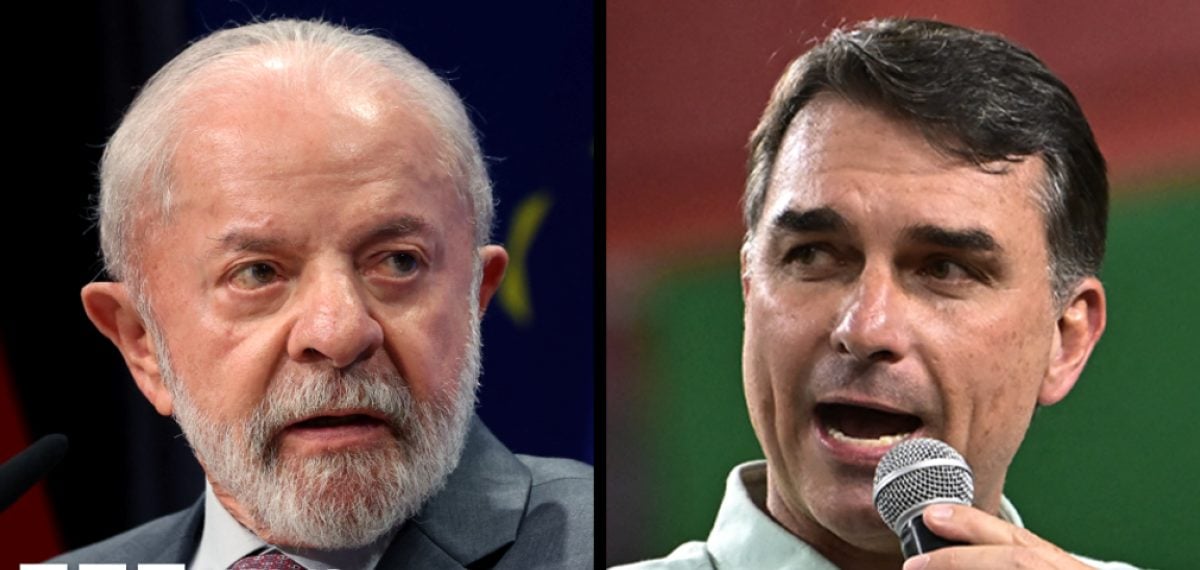
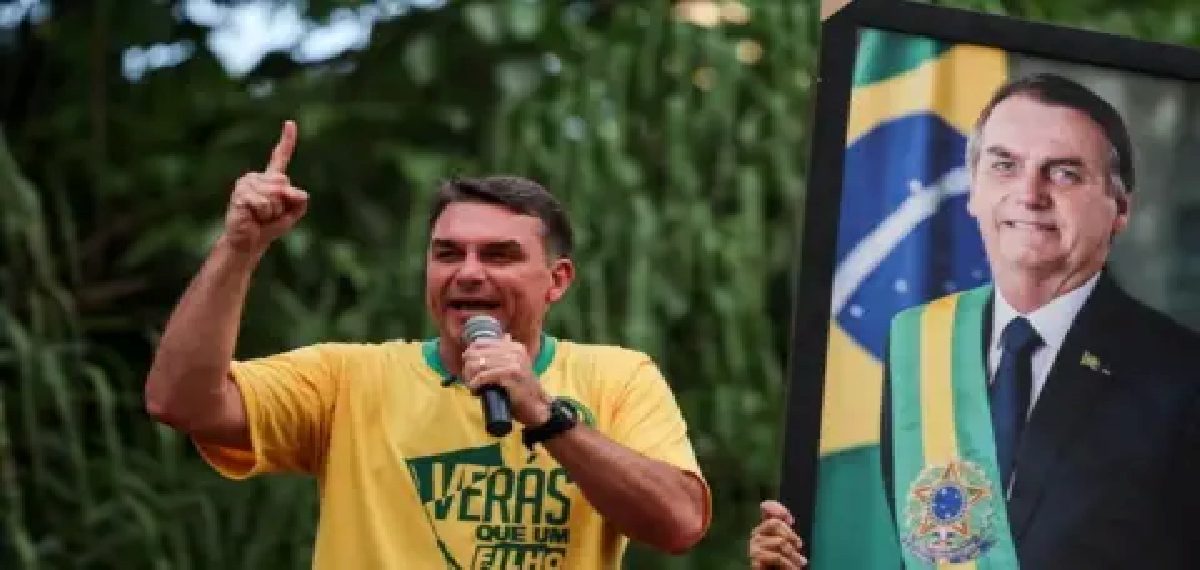
The country heads to the polls on Sunday in a fiercely contested general election where two familiar names dominate the presidential race. Incumbent Luíz Inácio Lula da Silva faces a field of 11 challengers, the most prominent being Flávio Bolsonaro, whose surname carries the legacy of his father, the former president.
Recent years have left deep marks on Brazil’s politics: the 2022 election aftermath, including Jair Bolsonaro’s conviction for plotting a coup and the storming of Congress by his supporters, still reverberates in public life and the tone of this campaign.
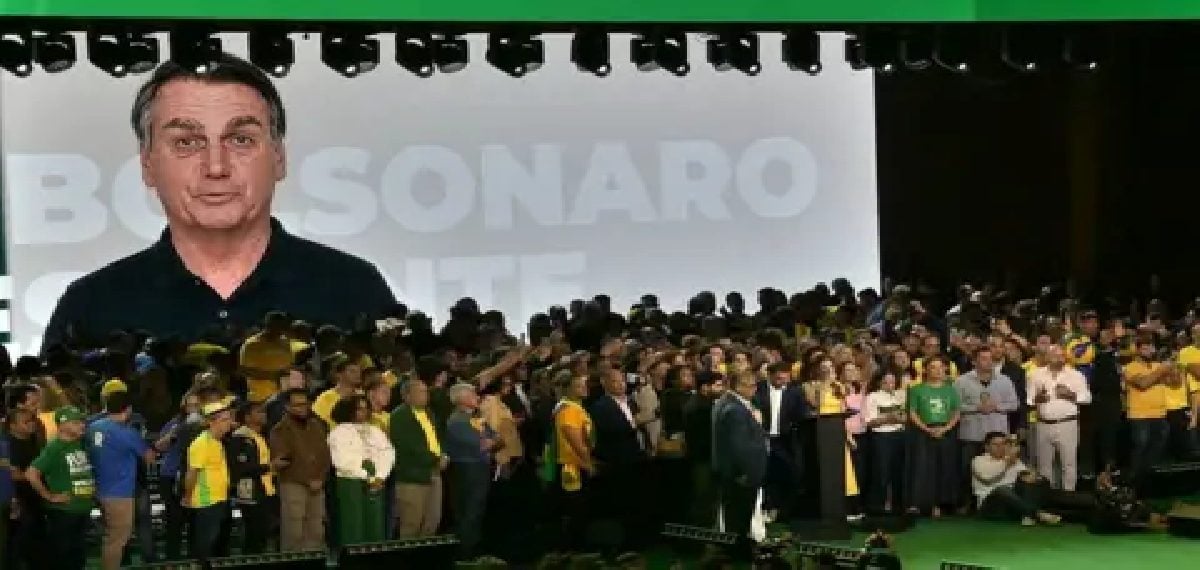
Jair Bolsonaro will not appear on this ballot. The 71-year-old former president is barred from holding office and is serving a 27-year sentence for his role in the post-2022 events. Currently under house arrest because of health issues, he faces restrictions including bans on social media posts and public statements. Yet his presence is felt: at Flávio Bolsonaro’s campaign launch an AI-generated avatar of Jair endorsed his son—an episode that raised questions about consent and the use of deepfakes.
Even if lawyers deny formal permission for the AI clip, Flávio’s political brand is clearly tied to his father’s backing and appeal to the Bolsonaro base.
Although a dozen candidates are running, just two reach double digits in most polls: Lula and Flávio Bolsonaro. Poll trackers put both near the 40% range, with Lula slightly ahead. The remainder of the field polls below 4% each.
If no candidate secures more than 50% of valid votes on 4 October, the top two move to a runoff on 25 October. Current surveys make a second round likely, but a notable portion of voters remain undecided very close to voting day—around 9% in late-September aggregates who are undecided, plan to spoil or submit blank ballots, or might not vote at all.
Voting is available from age 16, and compulsory for literate citizens aged 18–70, with nearly 160 million eligible voters. Given the relatively small samples used in many polls, final results can differ substantially from pre-election surveys.
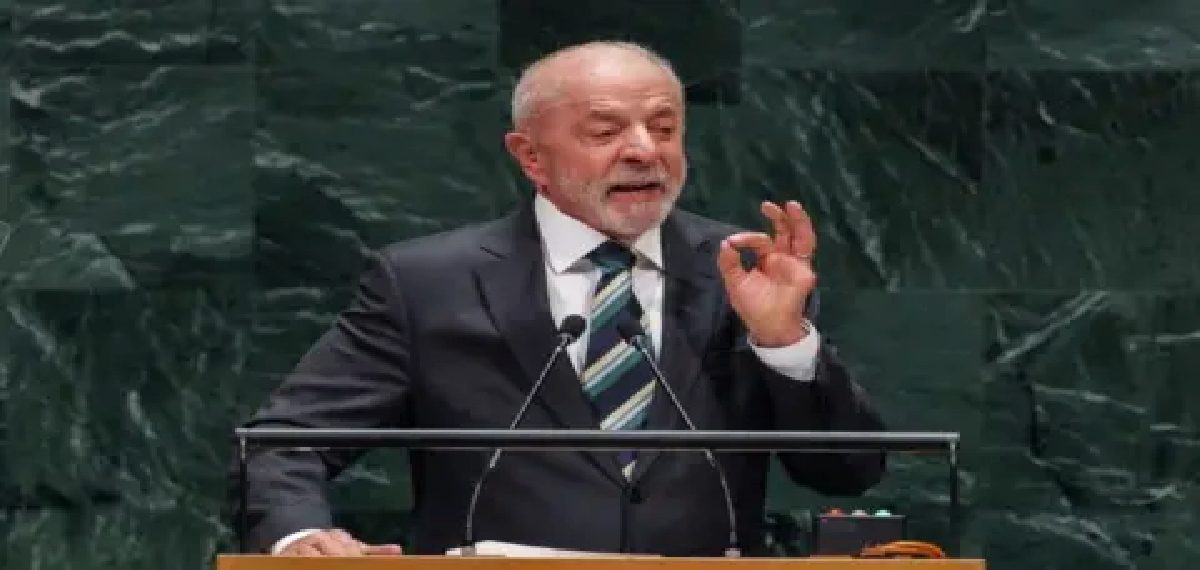
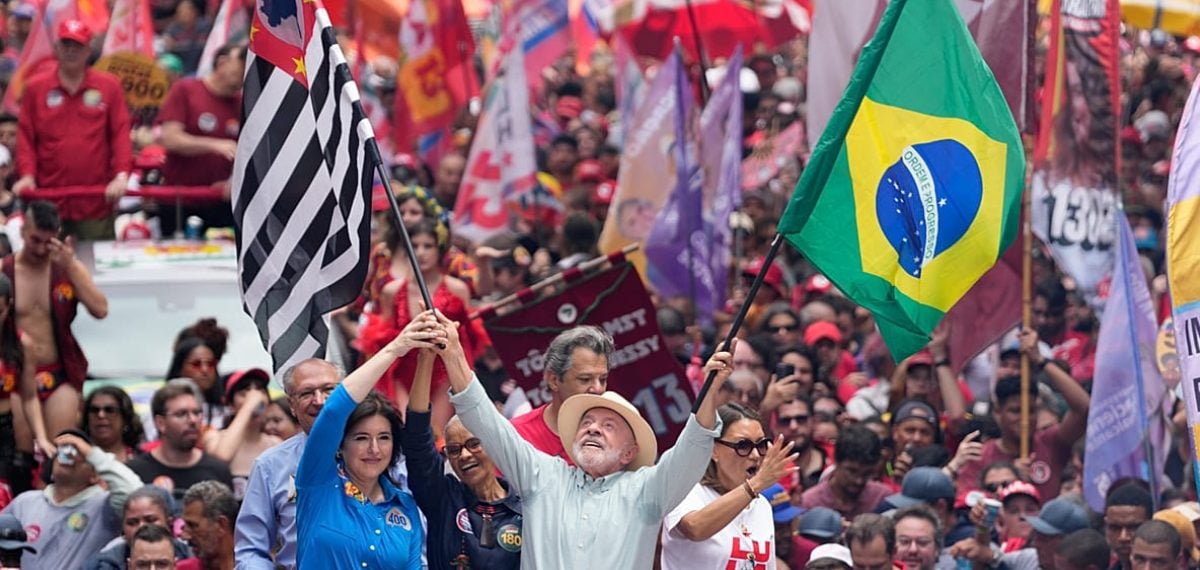
Lula, now 80, leads the Workers’ Party and is seeking another term after already serving two terms (2003–2010) and winning in 2022. His earlier administrations won praise for poverty reduction—most notably through Bolsa Família—though his party later suffered from high-profile corruption scandals. Lula himself spent more than 18 months in prison on convictions that were later annulled, clearing him to run again.
Supporters praise his environmental commitments and note a reduction in Amazon deforestation in early 2026, while critics point to decisions such as permitting exploratory offshore oil drilling near the Amazon and say such moves undermine longer-term climate goals. Lula argues oil revenues can finance Brazil’s transition to clean energy.
On foreign policy, Lula has asserted Brazil’s independence—declaring it will not be anyone’s “backyard”—and warned against interference by what he calls