04 Eylül 2026
az bulutlu


Trump accuses China of meddling, shares redacted intelligence ahead of US midterms; claims spark debate over evidence and election impact.
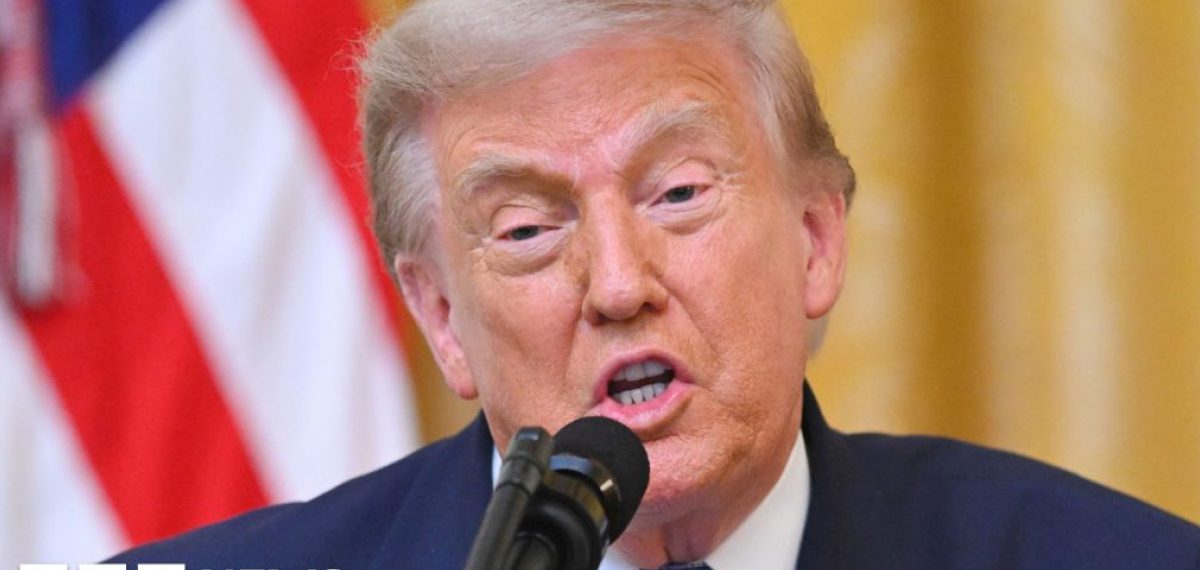
Former President Donald Trump addressed the nation from the White House, saying he had declassified hundreds of intelligence files that, he claimed, show China attempted to influence the 2020 election and that US voting systems face “shocking vulnerabilities.” The speech came three months before the midterm elections and included accusations about acquisition of voter data and broad exposure of voting infrastructure.
Trump said 220 million voter files were illicitly acquired and that voter data in 18 states had been “bought, stolen or hacked by China,” while accusing certain actors of failing to notify authorities or Congress. He released hundreds of pages of documents during the address; many pages were heavily redacted and are now under review by news organizations.
US intelligence assessments contradict the president’s claims. The US National Intelligence Council’s 2021 report stated it had “high confidence” that China did not deploy interference efforts to change the 2020 election outcome. The intelligence community has previously concluded China did not interfere in 2020.
China’s foreign ministry denied the allegations as “entirely fabricated,” and spokesman Lin Jian called the claims “malicious smears” that have been proven groundless. Democrats accused Trump of trying to undermine confidence in the upcoming midterms, while Senate Democrat Chuck Schumer pledged to protect voters’ ability to cast ballots freely.
In addition to China, Trump warned that voting machines could be vulnerable to Russia, China and Iran. He cited past shortcomings in US election infrastructure and referenced post-2016 efforts to strengthen defenses after documented Russian interference that included hacking and influence operations.
Trump also repeated claims about a Michigan voter registration fraud probe he said was blocked by the FBI, and cited a Department of Homeland Security figure of 278,000 registered non-citizens, without providing evidence those registrations affected vote counts. He called for passage of the SAVE America Act, which would restrict mail voting and require proof of citizenship and photo ID for ballots; the bill has stalled in the Senate.
Politically, the speech aims to mobilize a segment of the Republican base ahead of midterms by raising doubts about electoral integrity. Strategically, releasing redacted intelligence short of verifiable evidence shifts the debate to perception: even unproven claims can erode public trust in institutions and depress turnout among skeptical voters.
For markets and institutions, renewed attacks on election infrastructure and broadcasters could increase volatility around policy expectations if they translate into legislative changes or regulatory threats. For election administrators, these claims risk additional operational strain as officials must respond publicly while preserving process integrity.
From a civic-rights perspective, persistent allegations without substantiation can deepen polarization and make bipartisan cooperation on election security harder to achieve, complicating efforts to strengthen systems through consensus-driven funding and technical upgrades.