18 Temmuz 2026
açık


Actor Emily Glaze shares her alopecia journey in a powerful one-woman show at the Edinburgh Fringe, blending candid storytelling with resilience.
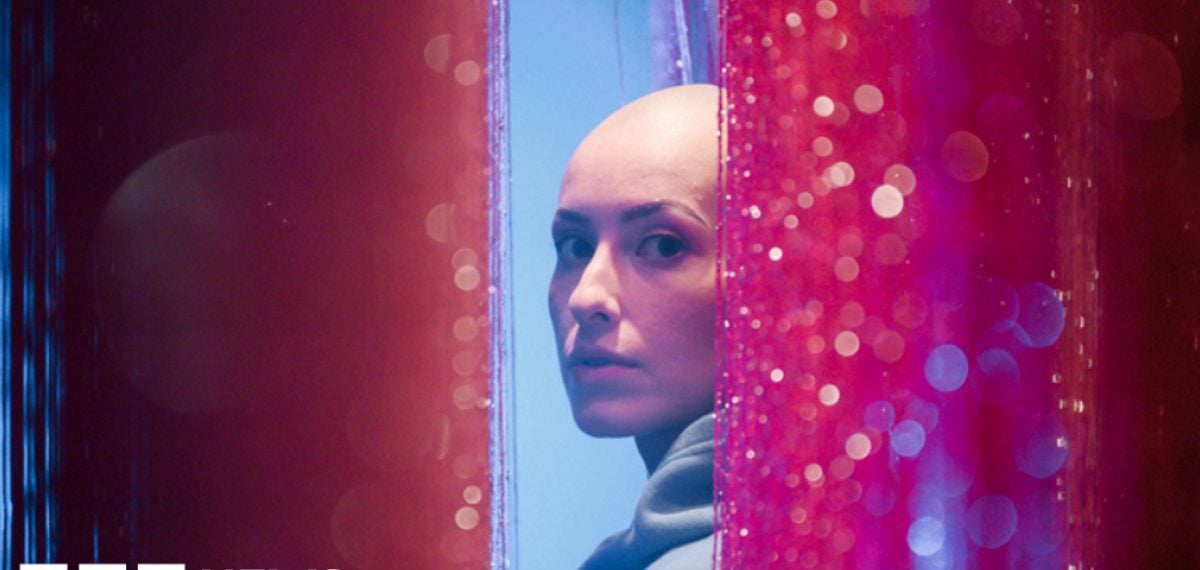
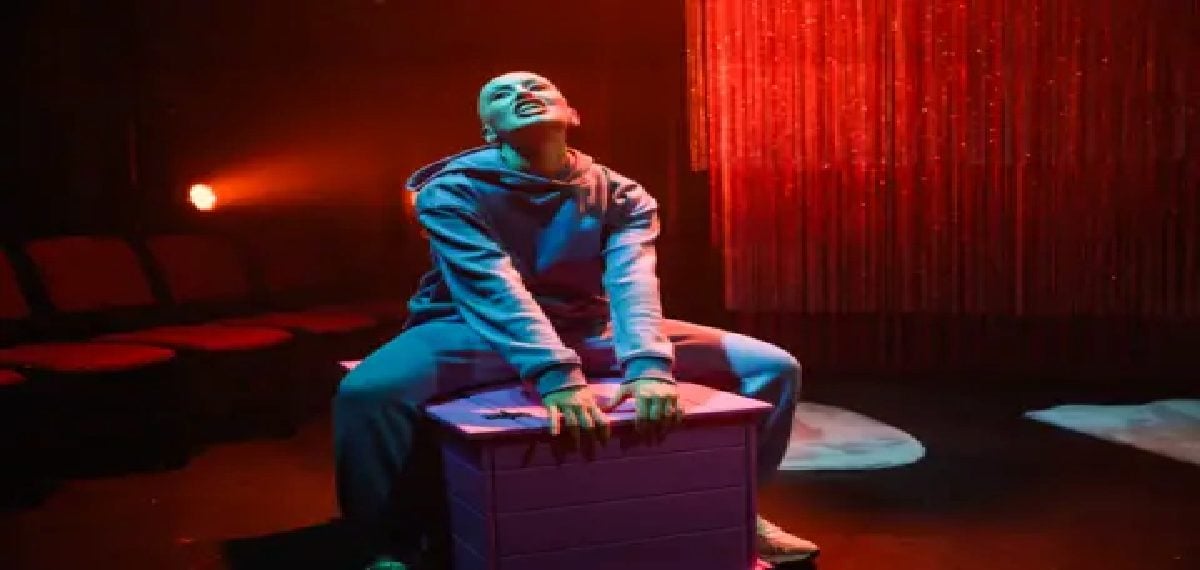
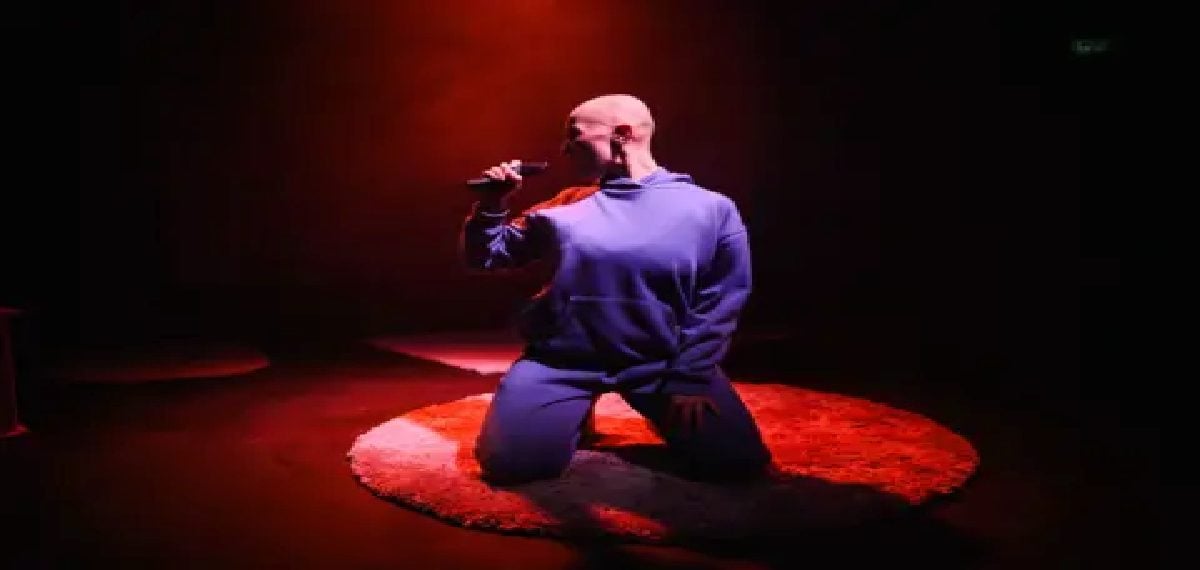
Emily Glaze, a 30-year-old actor and writer from Telford, is bringing her lived experience of alopecia areata to the Edinburgh Fringe with Basic Bald B*tch, which runs at Underbelly Cowgate from 5 August to 30 August. She first started losing patches of hair at 16 and became fully bald at 21 during her final university year; the show draws on those moments as well as subsequent regrowth and hair loss cycles.
Glaze developed the piece from a 10-minute monologue performed at a 2021 scratch night, where she famously removed her wig on stage and received a strong audience reaction. That moment crystallised her decision to stop hiding and to shape her story into a full-length solo performance focused on the fictional character Amy but rooted in Glaze’s real-life experiences.
The production aims to challenge assumptions about alopecia: the condition can present as temporary, recurring, or complete hair loss and affects roughly one in 1,000 people worldwide at any given time. Glaze stresses that her hair has grown back and fallen out multiple times, a cycle she describes as a rollercoaster, and she uses the show to convey that variability.
Beyond personal narrative, Glaze wants the play to widen public understanding of alopecia’s social and emotional effects. She highlights how hair loss can trigger anxiety, social isolation and workplace or school difficulties, and says representation on mainstream stages remains limited in an image-focused culture.
Glaze framed taking the stage bald as an act of empowerment and a way to reach people who feel marginalised by visible differences. She says the work is as much for “younger me” as it is for audiences seeking recognition or solidarity, hoping viewers with alopecia or other physical differences will feel seen and affirmed.
Presenting a solo show about alopecia at the world’s largest performing arts festival elevates a personal health issue into a public-cultural conversation. For audiences, the performance can reduce stigma by normalising visible difference; for the arts sector, it signals growing appetite for authentic, lived-experience storytelling that intersects with health and identity.
At a societal level, Glaze’s choice to foreground fluctuating hair loss highlights gaps in public awareness and support systems: recurring alopecia creates unpredictable personal and professional challenges, suggesting a need for better workplace accommodations, school guidance and mental health resources. Culturally, the show contributes to representation that can shift industry casting and commissioning practices toward greater inclusivity.