13 Eylül 2026
parçalı bulutlu


White House teleprompter operator investigated for allegedly placing $90K in bets on President Trump’s speeches, raising conflict-of-interest concerns.
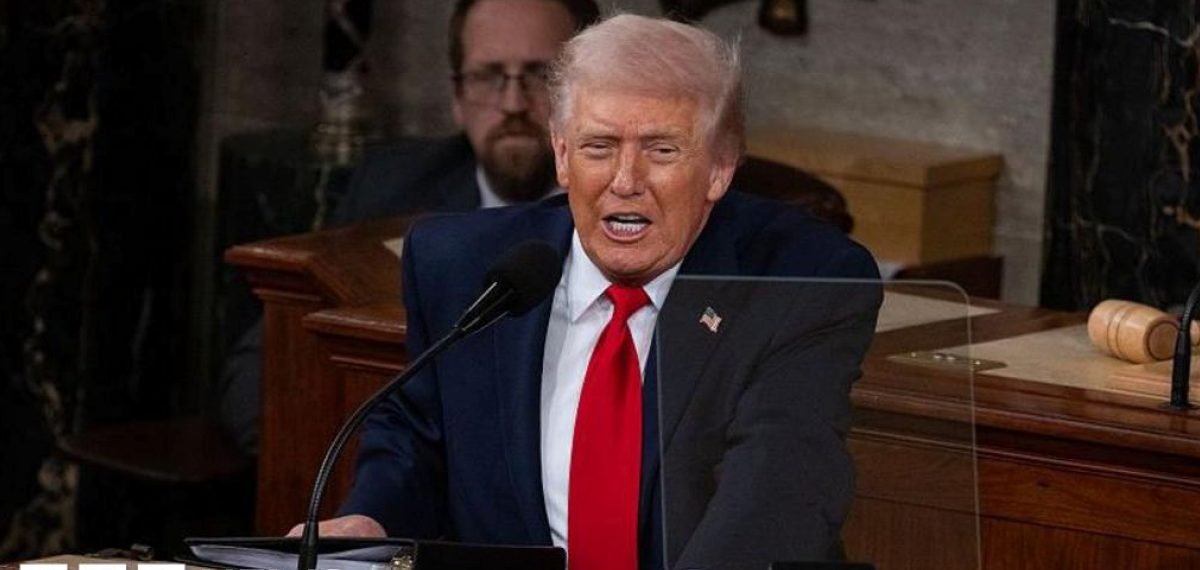
Federal authorities and a prediction market firm are examining allegations that a White House teleprompter operator placed nearly $100,000 in bets using inside knowledge of President Donald Trump’s public remarks. The activity, tied to a federal employee who had worked at the White House since 2016, centered on wagers about specific words appearing in major addresses including the State of the Union.
Kalshi, a regulated prediction markets platform, alerted the Commodity Futures Trading Commission (CFTC) after its analysts spotted unusual activity in its “mention markets,” where users bet on whether speakers will use particular terms. The company froze the account and prevented withdrawal of more than $90,000 while it handed evidence to regulators.
Using account metadata, Kalshi determined the user was a federal employee responsible for operating White House teleprompters. Robert DeNault, Kalshi’s head of enforcement, said the firm flagged the trades and provided documentation to authorities. The platform said the words of political leaders move financial markets, which underpinned their monitoring efforts.
White House press secretary Karoline Leavitt confirmed President Trump was aware of the matter and said the staffer was placed on unpaid leave and would no longer work at the White House. News outlets including ABC and CBS have reported the developments; sources told media the individual, named in reports as Gabriel Perez, has been cooperating with the CFTC. Federal prosecutors in Manhattan declined to open a criminal case, and the CFTC would not confirm or deny an investigation.
The episode highlights how even seemingly small details of political communication can have outsized market consequences when traded on prediction platforms. When government employees with access to nonpublic cues participate in event-driven markets, it raises legal and ethical questions about information asymmetry and market integrity. Regulators such as the CFTC must balance protecting market participants with ensuring that platforms detect and deter potential misuse of privileged information.
For financial markets, the incident underscores increasing scrutiny on alternative trading venues that allow granular bets tied to real-world events. For public institutions, it illustrates the reputational risk and governance challenges of employees’ outside activities intersecting with their official duties.