10 Eylül 2026
açık


Former Epstein assistant recounts years of grooming and coercion, revealing disturbing details and legal implications in a comprehensive firsthand account.
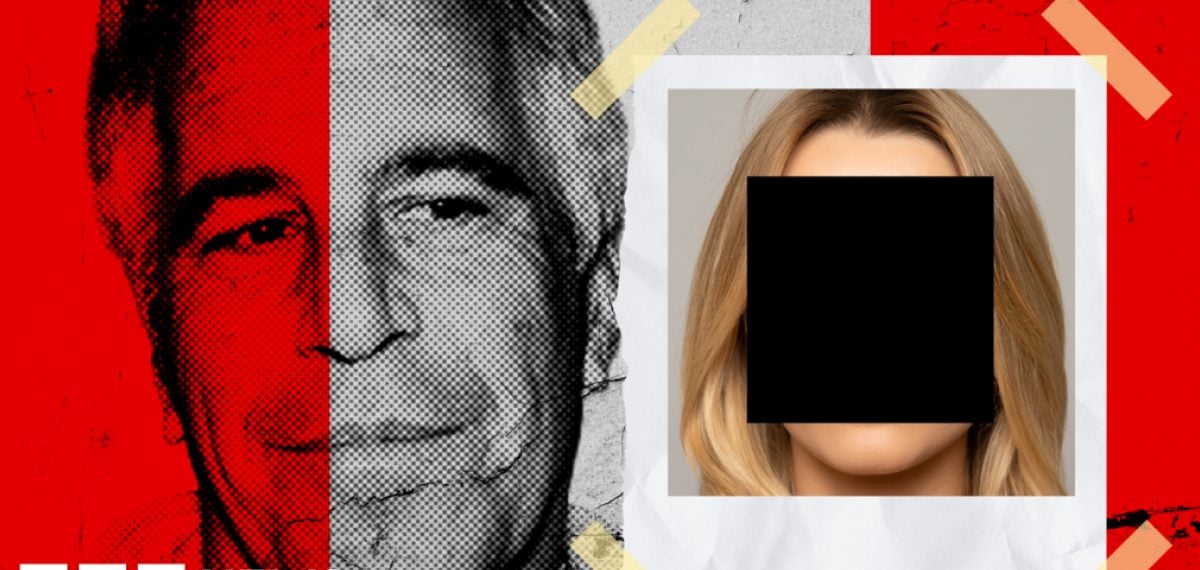
Former assistant Anya, speaking to the BBC, says she was lured from modelling into Jeffrey Epstein’s orbit in Paris and then trapped in a system of psychological control, sexual abuse and financial dependence that lasted years.
She describes being targeted by a modelling scout, introduced to Epstein in his Paris apartment and persuaded that he could advance her career. Over months he exercised “very elaborate grooming,” she says, promising agency introductions while pressuring her to change her body and provide nude photographs.
After a meeting arranged by Epstein with a model agency founder, which she later learned had already rejected her, Anya travelled to Palm Beach where she encountered Epstein on day release from his 2008 conviction. There she says he sexually assaulted her and then used the episode to make her doubt her own reaction.
Epstein kept assistants isolated and dependent: he controlled visas, housing and money, monitored phones and medical care, and demanded “gratitude letters.” He threatened runaway assistants with fabricated debts and maintained a library of compromising images and videos to ensure obedience.
Several patterns recur in Anya’s account: promise followed by control, exploitation of vulnerabilities and the use of interpersonal pressure to prevent solidarity among women. She says Epstein forced unnecessary surgery to remove a tattoo, leaving scars, and expected assistants to recruit new young women into the network.
Sarah Kellen, another former assistant, has described similar dynamics to US lawmakers, saying Epstein decimated assistants’ autonomy and reinforced dependence. Anya and other survivors later received payments from the Epstein Victims’ Compensation Fund after providing corroborating evidence.
Anya’s testimony underlines how grooming can target adults by exploiting professional aspirations and social isolation. For labour markets that rely on precarious, migrant and informal work—such as modelling—power imbalances create entry points for traffickers who offer career ladders that conceal exploitation.
Legally and institutionally, the case exposes gaps in safeguards for visa-dependent workers and the need for stronger employer and agency transparency. For survivors, the psychological tactics—shaming, manufactured indebtedness and recorded sexual material—highlight why recovery pathways require both financial redress and trauma-informed support.
Public trust in elite networks is also at stake: when high-profile figures and institutions intersect with abusive actors, social validation can mute victims’ doubts and delay accountability.