
19 Temmuz 2026
açık


Profile of Steve the escaped beaver adapting to life in Wales as he fathers his first kit after relocation, exploring wildlife and conservation impacts.
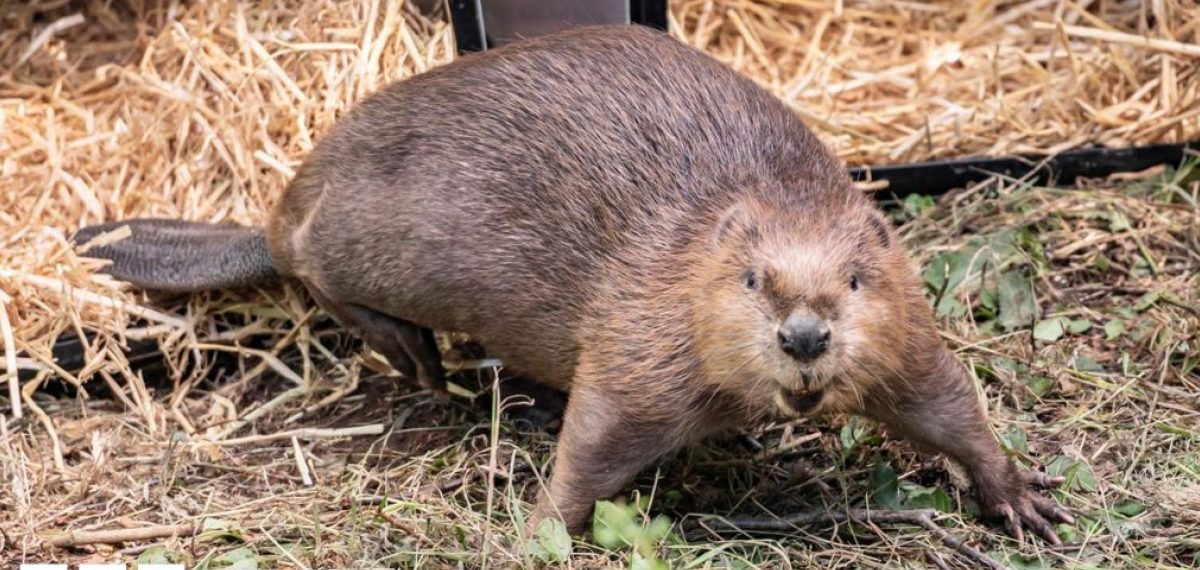
Steve, the beaver once notorious for repeated escapes from Wallington in Northumberland, has welcomed his first kit with mate Doris after being rehomed to a farm enclosure in Wales, Cefn Garthenor staff confirmed; the kit is believed to have been born in late May.
Steve had been released into a 24-hectare (59-acre) enclosure at Wallington in July 2023 as part of a family of four Eurasian beavers. Storm damage to the fence during their first year enabled several escape attempts, and following a third recapture in December 2024 the decision was taken to relocate him to a more suitable setting.
At Cefn Garthenor, staff arranged a pairing and Steve was matched with Doris in what keeper Alistair Hughes described as a blind date. The union produced a kit estimated to have arrived in late May; the caretakers are monitoring mother and young while the kit’s sex remains undetermined.
National Trust rangers at Wallington also reported at least two new beavers born in 2026, continuing a run of successful breeding seasons and indicating an expanding local population. Ranger Emily Johnson said the consecutive breeding years suggest the beavers at Wallington are thriving and well established.
Small-scale rewilding and managed relocations like Steve’s highlight the balancing act between public sites and animal welfare. Moving an animal that repeatedly attempted escape into a larger, secure, and socially compatible environment can reduce human–wildlife conflict and support natural behaviours such as breeding.
For conservation projects, each successful birth strengthens genetic resilience and public engagement. Positive, well-communicated outcomes help build support for habitat restoration and long-term funding, while also illustrating practical lessons about enclosure design and contingency planning after extreme weather damage.
Keepers note that kits typically remain with their mother for about two years before dispersing to establish their own territories, a timeline that will influence future management decisions both at Cefn Garthenor and Wallington.