24 Eylül 2026
açık


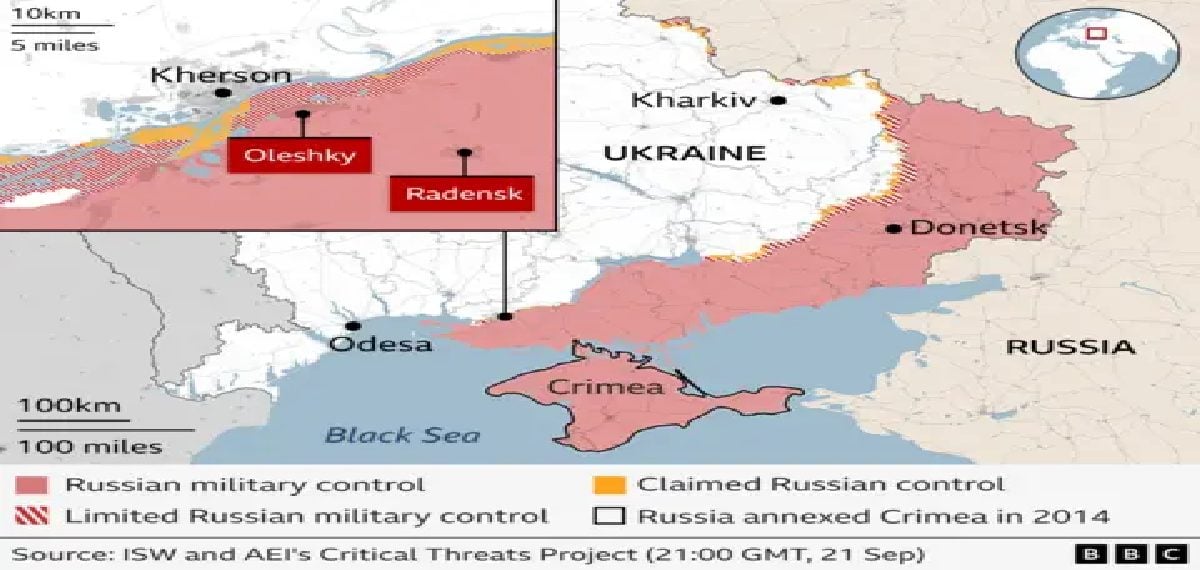
The BBC has spoken to residents in the Russian-occupied Ukrainian town of Oleshky who say they are being “constantly shelled”.
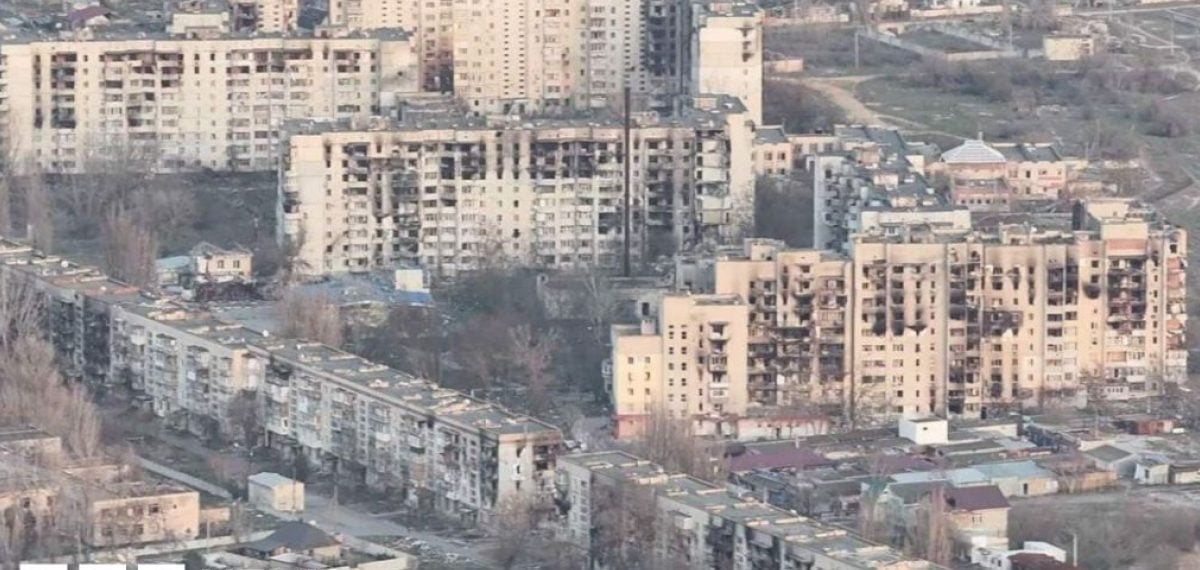
Two civilians were killed while trying to bring food back to their home in the Russian-occupied Ukrainian city of Oleshky, according to several sources familiar with the incident.
Halia, a resident of Oleshky whose name has been changed for her protection, says the city has become increasingly isolated and is subjected to frequent shelling. She told the BBC that food and water supplies have virtually disappeared.
The couple who died had travelled roughly 23km to the nearby town of Radensk to obtain food. They were unable to return before a curfew imposed by the occupation authorities and were subsequently struck by a drone on 20 September. Four independent sources confirmed the deaths of two civilians carrying food.
Halia declined to provide further identifying details because of concerns for her safety.
Her account is one of numerous testimonies gathered from residents of Oleshky and surrounding areas in recent days. The city, in southern Ukraine’s Kherson region, has been under Russian occupation since the early stages of the full-scale invasion in 2022.
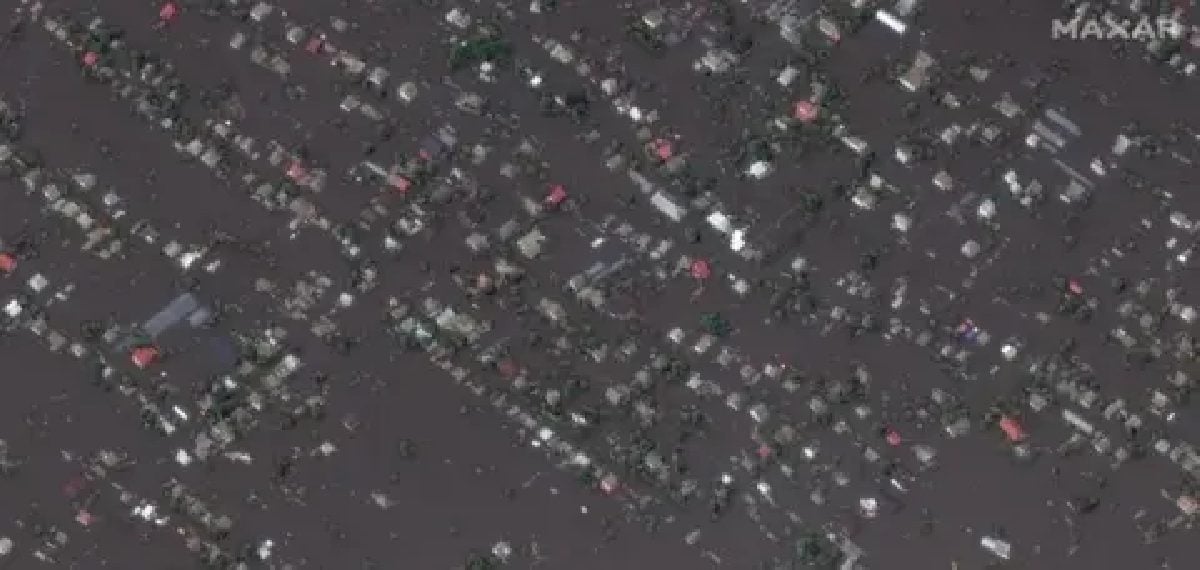
Situated near the Dnipro River, Oleshky is separated from Ukrainian-controlled territory by the waterway and remains surrounded by Russian forces. The humanitarian situation has deteriorated further since the destruction of the Nova Kakhovka Dam in June 2023, when large parts of the region were inundated.
Ukraine and Nato have accused Russia of destroying the dam, while Moscow has blamed Kyiv. The collapse caused extensive flooding and left many residents without homes.
Before Russia’s full-scale invasion, Oleshky had a population of around 24,000. Ukrainian authorities now estimate that approximately 6,000 people remain in the city and nearby settlements, including around 200 children.
Residents describe increasingly desperate conditions. They say children are facing shortages of food and medical care and have been deprived of regular education. Several residents independently told the BBC that only one hospital remains partially operational, reportedly opening for limited periods each week and carrying out critical procedures, including amputations.
Attempts to bring humanitarian supplies into the area have repeatedly failed in recent months.
The Kremlin acknowledged earlier this week that Oleshky was experiencing what it described as a “critical situation”, including shortages of food and medicine. Russian officials said their military was working to address the problem while blaming Ukraine for the conditions.
Ukraine’s Foreign Minister Andriy Sybiha has described the situation as a “full blockade” imposed by Russian forces. Speaking at the United Nations General Assembly in New York, he called for international pressure on Russia to permit humanitarian assistance to reach the population.
For those still inside Oleshky, daily life has become a struggle for basic necessities.
Halia says there is effectively no food available in the city. She told the BBC that the most recent food delivery she knew of arrived in May.
Her own diet has been reduced to a single meal a day.
She survives on simple bread, occasionally accompanied by tomatoes or honey, together with tea. Other residents have resorted to collecting and cooking weeds after exhausting the vegetables they were able to grow during the summer.
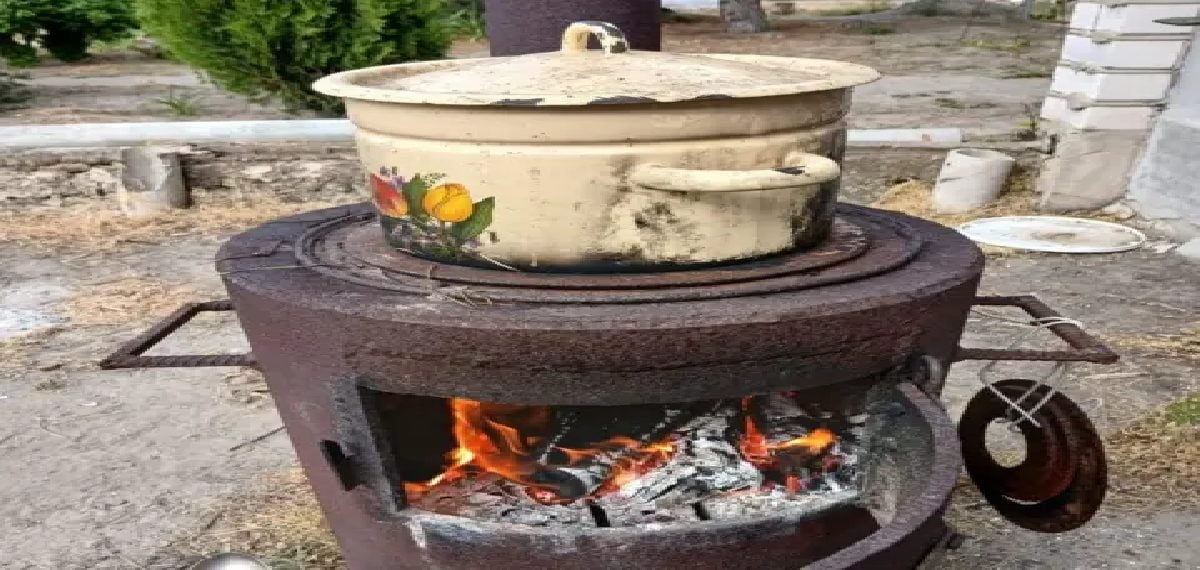
With gas and electricity unavailable since 2023, residents have had to find alternative ways to cook and heat their homes. Local Telegram groups have reportedly become informal survival networks, with residents exchanging information about edible plants and attempting to trade, share or sell whatever food they have.
There are no functioning shops in the city, leaving people without reliable access to clothing, hygiene products or other basic goods. Water supplies have also been disrupted.
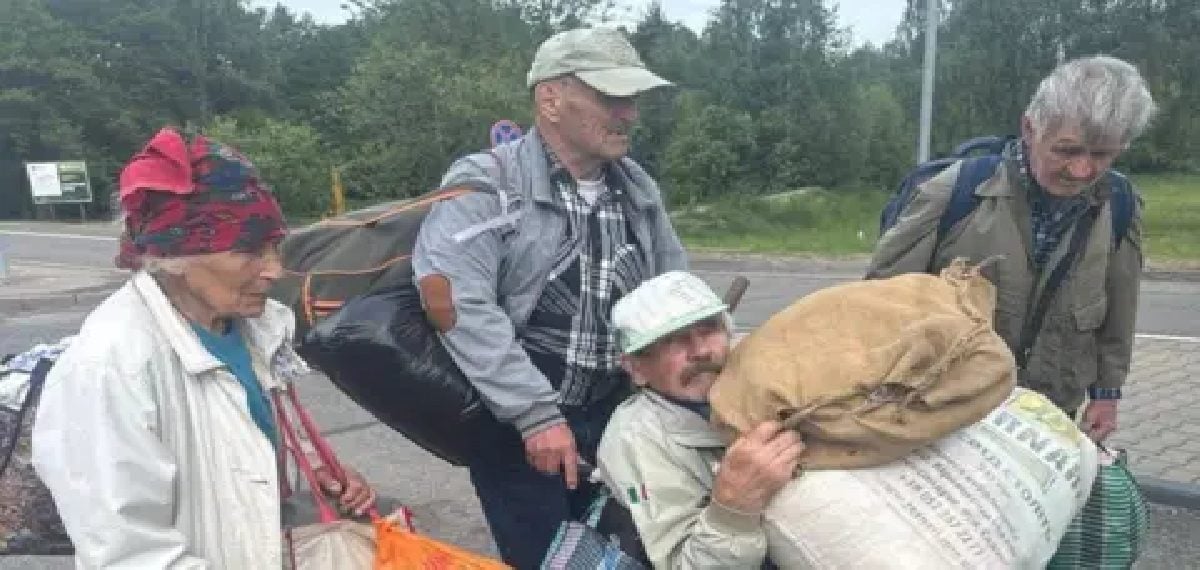
Some residents previously attempted to leave on foot, travelling along routes believed to contain mines. The risks have become so severe that such journeys are now considered increasingly dangerous.
Determining the number of civilians who have died in Oleshky has proved extremely difficult.
The UN Human Rights Monitoring Mission in Ukraine has documented reports of at least 29 civilians killed and 54 injured this year in Oleshky and nearby Hola Prystan. Local volunteers believe the actual number may be substantially higher.
One volunteer, Ksenia Arkhipova, has been documenting deaths since escaping Oleshky in 2022, shortly after Russian forces occupied the city.
Arkhipova continues to assist efforts to deliver food and medicine and to facilitate evacuations. Because residents trust her, she has access to information about people who have died.
She says she has compiled a private database containing approximately 1,200 names, including dates of birth and dates of death.
According to Arkhipova, the list can grow by one or two names in a single day, with residents reportedly dying in drone attacks or after stepping on landmines.
The figures cannot be independently verified by the BBC.
Another resident, identified by the pseudonym Tetiana, said both of her parents were killed inside their home during the summer. She provided information that allowed the BBC to confirm their identities but asked that their personal details and photographs not be published because of security concerns.
Tetiana said Russian soldiers entered the property and shot her parents after attempting to take control of the house.
Residents also describe severe restrictions on the burial of civilians killed violently.
According to Tetiana, occupation authorities require deaths caused by drones, landmines or other violent incidents to undergo post-mortem examinations conducted by Russian doctors. Such examinations are reportedly not available in Oleshky.
As a result, residents say only people who die from natural causes can be buried without the same procedures.
Tetiana claims that some bodies have remained unburied for months.
Arkhipova says bodies are sometimes left in the local hospital morgue, which has reportedly been without electricity for an extended period. She also alleges that some bodies have been left exposed outdoors and subsequently attacked by stray dogs.
The BBC says it examined photographs supplied by residents that corroborate aspects of these accounts, although the images are too disturbing to publish.
Ester Vrataryova, co-founder of the charity Humanity, which provides assistance to people in Oleshky and other Russian-occupied parts of Ukraine, says the treatment of the dead has become another source of fear among residents.
She argues that the inability to safely bury loved ones contributes to a wider climate of intimidation.
For people who remain in Oleshky, the humanitarian crisis is therefore not limited to shortages of food, water and medicine. Residents describe a city where movement is dangerous, basic services have collapsed and even the process of mourning the dead has become fraught with risk.